Human sexuality, especially female sexuality, is a profound and multi-layered aspect of psychology that has been explored and debated for centuries. However, societal norms and cultural perceptions have often cast shadows over a genuine understanding of female sexual psychology, leading to both fascination and misunderstanding. The complexities surrounding female desires, fantasies, and emotional connections in the context of sexuality can be influenced by a myriad of factors, from upbringing and social expectations to deeply ingrained psychological needs and past experiences.
In this exploration, we will delve into the nuanced, often misunderstood, layers of female sexual psychology—an area often shaped by subconscious drives, psychological conditioning, and individual differences. Far from perpetuating stereotypes, this journey seeks to provide a clearer, research-based understanding of what influences women’s desires and psychological responses, aiming to foster healthier, more open dialogues about female sexuality in relationships and personal development.
Sexual and non sexual self
Women tend to have a s3xual self and a nons3xual self. The sexual self is usually buried deep in their unconscious. When a man can bring a woman’s s3xual self out, he gets to see the true wild side of women, and he enjoys women much more.
Authority over a woman
Whether a woman is choosing to turn on by a man or if a man is seducing her, her s3xual self must slowly be drawn out, and her nonsexual self, or conditioning, must be attended to. The guy has to provide RAW strength or He has to provide some kind of “authority.”
The main job of men
The man’s job is to lead her wherever she wants to go sexually. He has to be attentive to her to see the intense places that women want to go s3xually. The biggest thing that turns a woman on is her partner’s genuine burning desire for her.
Self confidence
Guys tend to lack self-confidence or don’t want to be seen as intimidating or dominant. And women don’t want to be seen as too forward or “sl*tty,” because of the fear of rejection. There tends to be very little initiation, especially on the women’s end.
Accomplishment and approach
The secret of how she accomplishes movement towards her s3xuality is by taking small steps. Small risks are much easier to take, hence incremental steps, it can be an outfit, a comment, a touch, etc. One by one and slowly.
The leader
We could summarize the male role as to lead women. Society teaches men contradictory ideas about what women want from men. Basically, on one side is a nice guy, and on the other side is a s3xy guy, And we all know whom she’ll choose. As the males are the ones with testosterone women expect men to take the lead.
The small moves
The s3xy guy knows how to seduce her: • He does this in small moves • He continually increases touching • He demonstrates strength and authority • He backs off when she resists • He returns to approval very quickly • He encourages her “s3xy girl” script/role
Summary
Female sexual psychology is complex and influenced by social and personal factors. Its different from male sexuality.
Women possess both sexual and non-sexual selves, often deeply embedded in their psyche.
A man can help reveal a woman’s sexual side by showing strength and authority.
The main role of men is to lead and respond to a woman’s sexual desires with genuine interest.
Confidence is essential, as both men and women may fear being too forward.
Women may take small, incremental steps to explore their sexuality.Men are often expected to lead, balancing strength with sensitivity.
Effective seduction involves small, gradual moves, backing off when needed, and encouraging her to embrace her sexual self.
Men have always struggled with initiating, manipulating and maintaining erections. The erections are necessary for several years for sexual, pleasure and reproductive functions.
Problems with erection may indicate that either youre not healthy or your bad erections will someday eat you up.
Here is the list of vitamins that are found to be useful by different researches done at several reputed universities and research centers worldwide.
Helps men with weak erection by; – Improving blood flow – Reducing inflammation – Supporting testosterone levels.
Here’s a list of foods that are good sources of vitamin B3 (niacin):
Animal Sources:
Meat:
Chicken (especially chicken breast)
Turkey
Beef (especially liver)
Fish:
Tuna
Salmon
Mackerel
Dairy Products:
Milk
Yogurt
Cheese
Plant Sources:
Legumes:
Peanuts
Lentils
Beans (black beans, kidney beans)
Nuts and Seeds:
Sunflower seeds
Almonds
Walnuts
Whole Grains:
Brown rice
Oats
Barley
Whole wheat bread
Vegetables:
Mushrooms (especially portobello and shiitake)
Potatoes
Green peas
Fruits:
Avocado
Bananas
Fortified Foods:
Breakfast cereals
Nutritional yeast
Including a mix of these foods can help you meet your vitamin B3 needs!
2. Vitamin D
Helps men by:
Regulating blood pressure –
Improving blood flow to the penis –
Supporting hormone regulation.
This can lead to improved erectile function and overall sexual health.
3. Vitamin C 100mg
Helps men with weak erections by; – Boosting nitric oxide – Reducing oxidative stress – Improving blood flow This leads to improved erectile function.
Here’s a comprehensive list of foods that are excellent sources of vitamin C:
Fruits:
Citrus Fruits:
Oranges
Grapefruits
Lemons
Limes
Berries:
Strawberries
Raspberries
Blueberries
Blackberries
Other Fruits:
Kiwi
Pineapple
Mango
Papaya
Watermelon
Cantaloupe
Guava
Acerola cherries
Vegetables:
Peppers:
Bell peppers (especially red and yellow)
Chili peppers
Leafy Greens:
Kale
Spinach
Swiss chard
Mustard greens
Cruciferous Vegetables:
Broccoli
Brussels sprouts
Cauliflower
Root Vegetables:
Sweet potatoes
Carrots
Tomatoes:
Fresh tomatoes
Tomato juice
Tomato sauce
Herbs:
Fresh parsley
Cilantro
Thyme
Other Sources:
Fortified juices (like orange juice)
Fortified foods (some breakfast cereals)
Incorporating a variety of these fruits and vegetables into your diet can help you meet your vitamin C needs effectively!
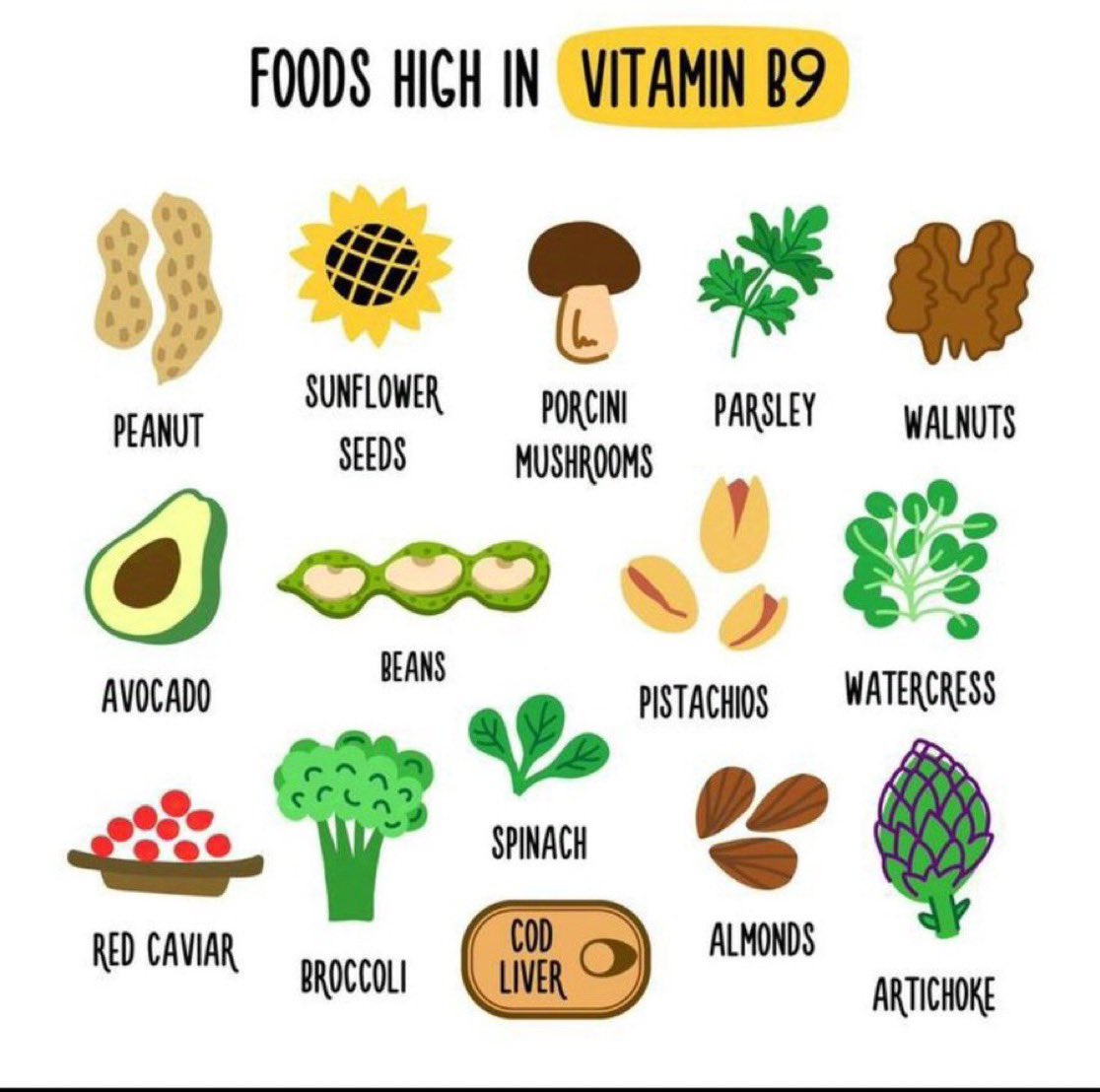
4. Vitamin B9 ( Folic Acid)
Helps men with weak erections by; – Reducing homocysteine – Supporting nitric oxide production This helps to improve erectile function.
Here’s a list of foods that are good sources of vitamin B9 (folate):
Leafy Greens:
Spinach
Kale
Swiss chard
Legumes:
Lentils
Chickpeas
Black beans
Fruits:
Oranges
Bananas
Avocado
Nuts and Seeds:
Sunflower seeds
Peanuts
Almonds
Whole Grains:
Quinoa
Brown rice
Fortified cereals
Vegetables:
Broccoli
Brussels sprouts
Beets
Animal Products:
Liver (beef or chicken)
Eggs
Fortified Foods:
Bread
Pasta
Breakfast cereals
Including a variety of these foods in your diet can help ensure you get enough vitamin B9!
5. Vitamin B12
Helps men with weak erection by; – Supporting nerve function – Reducing homocysteine.
If you’re overlooking B12, you’re holding yourself back. Proper nerve function and healthy blood flow aren’t just ‘nice to haves’ They’re essentials for strength in every area.
6. Vitamin L- Carnitine
It helps men with weak erection by – Boosting energy and sperm health – Supporting nitric oxide production
Here’s a list of foods that are good sources of L-carnitine:
Meat:
Beef (especially red meat)
Lamb
Pork
Poultry:
Chicken
Turkey
Fish:
Cod
Tuna
Salmon
Dairy Products:
Milk
Cheese
Yogurt
Vegetables (in smaller amounts):
Avocado
Asparagus
Spinach
Whole Grains:
Whole wheat bread
Oats
While animal products are the richest sources of L-carnitine, small amounts can also be found in some plant-based foods.
7. Zinc
It helps men with weK erections by – Enhancing sperm quality – Boost immune function – Supporting testosterone production
Here’s a list of foods that are good sources of zinc:
Meat:
Beef
Pork
Lamb
Poultry:
Chicken
Turkey
Seafood:
Oysters (one of the highest sources)
Crab
Lobster
Shrimp
Dairy Products:
Milk
Cheese
Yogurt
Legumes:
Chickpeas
Lentils
Beans
Nuts and Seeds:
Pumpkin seeds
Cashews
Hemp seeds
Whole Grains:
Quinoa
Brown rice
Oats
Fortified Foods:
Breakfast cereals
Snack bars
Vegetables (in smaller amounts):
Spinach
Mushrooms
Broccoli
Including a variety of these foods in your diet can help ensure adequate zinc intake!
8. Vitamin B6
Helps men with weak erection by – Regulating hormones – Supporting neurotransmitters – Reducing stress and anxiety
Meat:
Chicken (especially chicken breast)
Turkey
Beef liver
Fish:
Salmon
Tuna
Halibut
Pulses:
Chickpeas
Lentils
Black beans
Nuts and Seeds:
Sunflower seeds
Pistachios
Hazelnuts
Whole Grains:
Brown rice
Oats
Barley
Fruits:
Bananas
Avocado
Watermelon
Vegetables:
Potatoes
Spinach
Sweet potatoes
Fortified Foods:
Breakfast cereals
Nutritional yeast
Incorporating a mix of these foods can help you meet your vitamin B6 needs!
If you have been experiencing erectile disfunction then that is the way you can solve it. Very simple and clear don’t struggle again.
Snake bite piercings have been made since lomg ago but they had never been into medical attention till lately when there had been cases of multiple medical illnesses and side effects with extreme cases of snake bite piercings.
Snake bite piercing are named after what they look like that is Fangs of a snake, or the bitemark of a snake.
The side effects and complications of snake bite piercings are listed down below in different heading.
Hence while they look pretty for what they are they can be devastatingly ugly like what they are named after.
There are typically Three location where the snake bite piercings can be kept. They include tongue, midline on lower lip, one side on lower lip and both side on lower lip.
A strict sterile precaution should be followed while making a snakebite piercing. This includes proper sterility of the sharps, wearing sterile gloves and sterile piercing site preparation.
The procedure starts by preparing all these instruments and then a sterile field is prepared. With sterile precaution the piercing is done and a sterile temporary assessory is put on in the piercing.
Additionally, an antiseptic/antibiotic preparation might be applied post procedure. These products include Mupirocin, Polysporin, Betadine, Chlorhexidine etc.
No dressing i applied and the wound is left open to heal. If there are any signs of infection seen like pain, swelling, redness, discharge etc you should contact your doctor immidiately.
The person doing this prcedure should be extra cautious not to prick htemselves and should make sure that the client does not have any infections like HIV, Hepatitis (B and C), syphillis etc.
Managing Pain and Discomfort: Medical Insights for Snake Bite Piercing
The pain management can be achieved via application of local anesthetic. Local anesthetic of choice is lignocaine with or without adrenaline (1-2%).
The client can be adviced to take over the counter (OTC) pain medication like Ibuprofen, Paracetamol (Acetaminophen), naproxen, ketorolac, diclofenac or aceclofenac (prescription).
Healing and Aftercare: Medical Recommendations for Snake Bite Piercings
It’s important to note that while there are plenty of risks, proper care, hygiene, and following the guidance of a professional piercer can help minimize these potential risks and complications.
Remember that, it’s important to consult with a healthcare professional or a qualified well trained piercer for personalized advice and guidance made for your specific situation and need.
The healing of the piercing can sometimes take longer than told by the piercer. But you shouldnt panic and wait for a couple or more days. If it still doesn’t heal then you should immidiately seek advice from a healthcare professional.
Potential Risks and Complications of Snake Bite Piercings: A Medical Perspective
Infection
Like any other piercing, snake bite piercings also carry a risk of infection. Improper aftercare, unsterilized equipment, or poor hygiene can increase the risk of infection.
Swelling and Bruising
Initial swelling and bruising are common after getting snake bite piercings. Excessive swelling can potentially lead to long term discomfort and difficulties with eating or speaking.
Rejection or Migration
There is a possibility that the body may reject the snake bite piercings, leading to the piercing4 being pushed out of the skin or the piercing shifting from its original position.
Gum and Tooth Damage
Snake bite piercings located near the lower lip can come into contact with the gums and teeth. Continuous contact or improper jewelry size can result in gum recession, enamel erosion, chipped teeth, or damage to dental work.
Allergic Reactions
Some individuals may have allergic reactions to certain metals used in snake bite piercing jewelry, particularly if they have sensitivities or allergies to nickel or other common metals. Allergic reactions can manifest as redness, itching, swelling, or irritation around the piercing site. Long-Term Effects and Oral Health Considerations of Snake Bite Piercings
Snake bite piercing tongue is one of the common tngue piercing. This has been done by many famous celibrities aroud the world and has successfully been on the market for long time.
2. Viper bites piercing
Viper bites piercing is a type of snake bite piercing named after a famous poisonous snake Viper. This signifies this piercing is as furious as viper.
3. Multiple Snakebite Piercing
Multiple snake bite piercing is one type of piercing commonly done in a goth culture. There can be more than one in lower lip.
4. Midline Snakebite piercing
Piercing in the midline lip is most beautiful and is done by somany more celebrities as well.
full ring or half ring piercing with diamond are also equally famous.
5. Single unilateral Snakebite piercing/one side Snake bite piercings
Unilateral piercing is beautiful like damn. The side look or even the front look is so pretty and will make you attractive.
This doen’t make you uncomfortble and doesn’t affect you speech either.
FAQs
Are snake bite piercings painful?
Generally no. But Snakebite piercings can occasionally be painful if done inappropriately, infected or pain management or anesthesia is not done properly.
How long does it take for snake bite piercings to heal?
It usually taked 5 to 10 days. Contact your doctor if it is taking longer.
What are the potential risks and complications associated with snake bite piercings?
Potential risks include pain, bleeding, infection, allergy, rejection and disfigurement. Discuss with your piercer prior to procedure.
Can snake bite piercings damage teeth or gums?
Piercing itself may not damage it. But of you use low quaity and allergen, chemical containing piercings your teeth and gums may damange. Occasionally the damage ay occur by using unnecessarily large, uncomfortable and bad quality built ornament.
Are there any specific aftercare instructions for snake bite piercings to prevent infection?
Strict infection prevention and sterile precaution should be followed by the piercer and the client.
People with red hair need more anesthesia: Research review
Do redheads need more anesthesia than others?
What does the biology and medical science say?
Recently I was going through an online social network and I saw a post saying redheads need more aneshthesia and here’s review on the topic based on multiple researches and publications.
Hope youll enjoy reading it.
The Science Behind Why Redheads Need More Anesthesia
Have you ever wondered why redheads may require more anesthesia than people with other hair colors? It turns out that there is a scientific explanation for this phenomenon. Redheads have a genetic variation that affects the way their bodies process pain and anesthesia.
The mutation in melanocortin-1 receptor has been attributed to the red hair of theose people and same for the difference in the sensivity to the pain and depth of anesthesia as well.
This variation causes their bodies to be more resistant to pain medication, requiring higher doses to achieve the same level of pain relief. In addition, redheads also have a higher likelihood of experiencing anxiety and nervousness before surgery, which can also affect their response to anesthesia. This unique attribute of redheads has been studied extensively by medical professionals, and understanding this genetic variation can help anesthesiologists provide more effective care for their redheaded patients. So, if you’re a redhead or know someone who is, read on to discover the fascinating science behind this phenomenon.
What is anesthesia and how does it work?
There are three types of anesthesia: general, regional, and local. The anesthesia described here may refer to local or regional anesthesia, sedation and general anesthesia.
General anesthesia is a state of induced unconsciousness that is used to provide pain relief and muscle relaxation during medical procedures. General anesthesia is the most common and involves the use of drugs that put the patient to sleep and block pain signals to the brain. Regional anesthesia involves numbing a specific area of the body, while local anesthesia involves numbing a small area, such as a tooth or skin patch.
The drugs used in anesthesia work by blocking the transmission of nerve signals that communicate pain and other sensations to the brain. This allows the patient to undergo medical procedures without feeling any pain or discomfort. The mechanism of general enesthesia like propofol may not be completely understood r explained. The amount of anesthesia required depends on various factors, including the patient’s weight, age, and medical history.
The genetic mutation responsible for red hair
Red hair is caused by a genetic mutation in the MC1R gene, which is responsible for producing the pigment that gives hair its color. This mutation causes the gene to produce a protein that is less effective at producing the pigment, resulting in red hair. The MC1R gene is also responsible for producing melanin, which is the pigment that gives skin its color. People with the red hair gene mutation have less melanin in their skin, which makes them more susceptible to sunburn and skin cancer.
The MC1R gene mutation is inherited in an autosomal recessive pattern, meaning that a person must inherit two copies of the mutated gene (one from each parent) to have red hair. However, even people with just one copy of the mutated gene may exhibit some of the traits associated with red hair, such as fair skin and freckles.
The link between red hair and anesthesia: Does being a redhead affect anesthesia?
Research has shown that people with red hair require more anesthesia than people with other hair colors. This is because the MC1R gene mutation affects the way the body responds to certain drugs, including pain medication and anesthesia. The mutation causes the body to produce less of a protein called POMC, which is involved in the production of endorphins, the body’s natural painkillers. This results in redheads being less sensitive to certain types of pain medication and requiring higher doses to achieve the same level of pain relief.
In addition to being less sensitive to pain medication, redheads also have a higher likelihood of experiencing anxiety and nervousness before surgery. This can be attributed to the fact that the same genetic mutation that causes red hair also affects the production of the stress hormone cortisol. People with the mutation produce less cortisol, which can lead to increased anxiety and stress.
Studies on redheads and anesthesia: Does anesthesia affect hair color?
Several studies have been conducted to investigate the link between red hair and anesthesia. One study published in the British Journal of Anaesthesia found that redheads required 20% more anesthesia than people with other hair colors. Another study published in the journal Anesthesiology found that redheads required 19% more anesthesia than people with dark hair and 16% more than people with blonde hair.
These studies also found that redheads were more likely to experience side effects from anesthesia, such as nausea and vomiting. This may be due to the fact that the drugs used in anesthesia are metabolized differently in people with the MC1R gene mutation, leading to a longer recovery time and increased risk of side effects.
Redhead people require more anesthesia: Anesthesist providing anesthesia
Differences in anesthesia dosage for redheads
The fact that redheads require more anesthesia than people with other hair colors has important implications for healthcare providers. Anesthesiologists must take this into account when administering anesthesia to redheaded patients, as failing to do so can result in inadequate pain relief and increased risk of side effects.
To ensure that redheads receive the appropriate amount of anesthesia, anesthesiologists may need to adjust the dosage based on the patient’s hair color and genetic makeup. This can be done by conducting a genetic test to determine whether the patient has the MC1R gene mutation and adjusting the anesthesia dosage accordingly.
Other medical considerations for redheads
In addition to requiring more anesthesia, redheads may also be more susceptible to certain medical conditions. For example, research has shown that redheads have a higher risk of developing skin cancer due to their fair skin and reduced ability to produce melanin. They may also be more susceptible to certain types of pain, such as chronic pain and migraine headaches.
Redheads may also require different dosages of other types of medication, such as painkillers and antidepressants. This is because the MC1R gene mutation affects the way the body processes these drugs, just as it affects the way the body processes anesthesia.
Challenges for healthcare providers
The fact that redheads require more anesthesia and may be more susceptible to certain medical conditions can present challenges for healthcare providers. Anesthesiologists must be aware of the unique needs of redheaded patients and take steps to ensure that they receive the appropriate care.
This may involve conducting genetic testing to determine whether the patient has the MC1R gene mutation and adjusting the anesthesia dosage accordingly. It may also involve providing additional support to redheaded patients who may be more anxious or stressed before surgery.
Coping mechanisms for redheads undergoing anesthesia: incomplete anesthesia
If you’re a redhead who is scheduled to undergo anesthesia, there are steps you can take to help ensure a successful outcome. First, make sure to inform your healthcare provider that you have red hair and discuss any concerns you may have about anesthesia. Your provider can work with you to develop a plan that addresses your unique needs and concerns.
You may also want to consider relaxation techniques such as deep breathing, meditation, or visualization to help reduce anxiety and stress before surgery. These techniques can help you feel more relaxed and may even reduce the amount of anesthesia you require.
Conclusion and future research directions
The science behind why redheads require more anesthesia is a fascinating area of research that has important implications for healthcare providers. By understanding the link between red hair and anesthesia, anesthesiologists can provide more effective care to redheaded patients and reduce the risk of side effects.
However, there is still much to learn about the unique needs of redheaded patients. Future research in this area may focus on developing new anesthesia drugs that are more effective for redheads or identifying other medical conditions that may be more prevalent in this population.
Overall, the science behind why redheads require more anesthesia is just one example of how genetic variations can affect the way our bodies respond to medication and medical procedures. By understanding these variations, healthcare providers can provide more personalized care that takes into account each patient’s unique needs and genetic makeup.
References:
Edwin B. Liem, Chun-Ming Lin, Mohammad-Irfan Suleman, Anthony G. Doufas, Ronald G. Gregg, Jacqueline M. Veauthier, Gary Loyd, Daniel I. Sessler; Anesthetic Requirement Is Increased in Redheads. Anesthesiology 2004; 101:279–283 doi: https://doi.org/10.1097/00000542-200408000-00006
Chua, M.V., Tsueda, K. & Doufas, A.G. Midazolam causes less sedation in volunteers with red hair. Can J Anesth 51, 25–30 (2004). https://doi.org/10.1007/BF03018542
Edwin B. Liem, Teresa V. Joiner, Kentaro Tsueda, Daniel I. Sessler; Increased Sensitivity to Thermal Pain and Reduced Subcutaneous Lidocaine Efficacy in Redheads. Anesthesiology 2005; 102:509–514 doi: https://doi.org/10.1097/00000542-200503000-00006
Robinson KC, Kemény LV, Fell GL, Hermann AL, Allouche J, Ding W, Yekkirala A, Hsiao JJ, Su MY, Theodosakis N, Kozak G, Takeuchi Y, Shen S, Berenyi A, Mao J, Woolf CJ, Fisher DE. Reduced MC4R signaling alters nociceptive thresholds associated with red hair. Sci Adv. 2021 Apr 2;7(14):eabd1310. doi: 10.1126/sciadv.abd1310. PMID: 33811065.
McGoldrick, Kathryn E. MD. Anesthetic Requirement Is Increased in Redheads. Survey of Anesthesiology 49(1):p 3, February 2005. | DOI: 10.1097/01.sa.0000151196.69484.b6
Xing Y, Sonner JM, Eger EI 2nd, Cascio M, Sessler DI. Mice with a melanocortin 1 receptor mutation have a slightly greater minimum alveolar concentration than control mice. Anesthesiology. 2004;101:544-546
Brock Droll, Melissa Drum, John Nusstein, Al Reader, Mike Beck, Anesthetic Efficacy of the Inferior Alveolar Nerve Block in Red-haired Women, Journal of Endodontics, Volume 38, Issue 12, 2012, Pages 1564-1569, ISSN 0099-2399, https://doi.org/10.1016/j.joen.2012.08.014. (https://www.sciencedirect.com/science/article/pii/S0099239912008059)
Liem EB, Joiner TV, Tsueda K, Sessler DI. Increased sensitivity to thermal pain and reduced subcutaneous lidocaine efficacy in redheads. Anesthesiology. 2005 Mar;102(3):509-14. doi: 10.1097/00000542-200503000-00006. PMID: 15731586; PMCID: PMC1692342.
FAQs
How much more anesthesia do women and girls with red hair need?
A small study published in the journal Anesthesiology found that women and girls with red hair required up to 20% more anesthesia to keep them sedated than did women with dark or black hair.
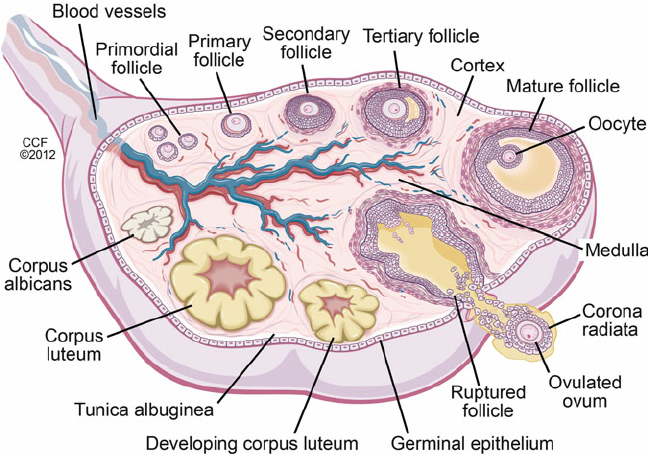
The follicular phase is the initial stage of the menstrual cycle, marked by the development and maturation of ovarian follicles. It begins on the first day of menstruation and lasts until ovulation. During this phase, the hypothalamus releases gonadotropin-releasing hormone (GnRH), which stimulates the anterior pituitary gland to release follicle-stimulating hormone (FSH). FSH, in turn, acts on the ovaries, promoting the growth and development of several follicles. As the follicles mature, they produce estrogen, which has various effects on the body. Estrogen stimulates the thickening of the uterine lining (endometrium) in preparation for potential implantation and inhibits further FSH production to prevent excessive follicle development. Eventually, one dominant follicle emerges and continues to mature, while the others undergo atresia. The follicular phase concludes with a surge in luteinizing hormone (LH), triggered by rising estrogen levels, which sets the stage for ovulation and the subsequent luteal phase of the menstrual cycle.
A. Follicle-Stimulating Hormone (FSH)
Initiates follicular development in the ovaries
Stimulates the production of estrogen
B. Estrogen
Promotes the proliferation of the endometrium
Inhibits follicle-stimulating hormone (FSH) to prevent excessive follicle development
Stimulates the production of luteinizing hormone (LH)
Ovulation in humans refers to the release of a mature egg (oocyte) from the ovary into the fallopian tube. It is a crucial event in the menstrual cycle and typically occurs around the midpoint of the cycle, approximately 14 days before the start of the next menstrual period. Ovulation is triggered by a surge in luteinizing hormone (LH) levels, which is primarily stimulated by high levels of estrogen. This surge causes the dominant ovarian follicle, which has been developing during the follicular phase, to rupture and release the mature egg.
The egg is then swept into the fallopian tube, where it awaits fertilization by sperm. Ovulation is a brief process, usually lasting only a few minutes to hours. It marks the fertile period of a woman’s menstrual cycle, and successful fertilization during this time can lead to pregnancy. If fertilization does not occur, the unfertilized egg disintegrates, and the woman enters the subsequent luteal phase, leading to menstruation and the beginning of a new cycle.
A. Luteinizing Hormone (LH)
Surge in LH levels causes the dominant follicle to rupture and release the mature egg
Initiates the conversion of the ruptured follicle into the corpus luteum
III. Luteal Phase:
The luteal phase is a stage of the menstrual cycle that follows ovulation and precedes menstruation. It is characterized by the presence and activity of the corpus luteum, which forms from the ruptured ovarian follicle after the release of the egg during ovulation. The luteal phase typically lasts for about 10 to 16 days and is marked by significant hormonal changes.
Once the egg is released, the ruptured follicle undergoes a transformation and becomes the corpus luteum. The corpus luteum primarily produces progesterone, along with smaller amounts of estrogen and other hormones. Progesterone plays a crucial role in preparing the uterus for possible embryo implantation.
Ovarian cycle in menstrual cycle
During the luteal phase, the increased levels of progesterone and estrogen contribute to the thickening of the uterine lining (endometrium), making it more receptive to a fertilized egg. The endometrium develops a rich blood supply and glandular secretions to support embryo implantation.
If fertilization occurs during the luteal phase, the fertilized egg implants itself into the thickened endometrium, leading to pregnancy. The corpus luteum continues to produce progesterone, maintaining the endometrium and supporting the early stages of pregnancy until the placenta takes over hormone production.
However, if fertilization does not occur, the corpus luteum gradually regresses, leading to a decrease in progesterone and estrogen production. As hormone levels decline, the endometrium is no longer sustained, and it begins to break down. This breakdown results in the shedding of the endometrial lining, leading to menstrual bleeding and the start of a new menstrual cycle.
The length of the luteal phase remains relatively constant for each individual, typically ranging from 10 to 16 days. Monitoring the length of the luteal phase is important in assessing the overall health of a woman’s menstrual cycle and fertility. A consistently short luteal phase, known as luteal phase defect, may pose challenges for successful implantation and can be associated with fertility issues.
A. Corpus Luteum
Secretes progesterone
Supports the maintenance of the endometrium for potential embryo implantation
Inhibits the production of FSH and LH to prevent further ovulation
B. Progesterone
Thickens the endometrium, preparing it for potential implantation
Suppresses the immune response to protect a developing embryo
Prepares the mammary glands for potential lactation
IV. Menstruation:
Menstruation, also known as a menstrual period or simply a period, is a natural process that occurs in humans with reproductive capacity. It is a crucial part of the menstrual cycle and refers to the monthly shedding of the uterine lining (endometrium) when pregnancy does not occur. Menstruation typically lasts for about 3 to 7 days, but the duration can vary from person to person. The onset of menstruation, known as menarche, usually begins during puberty and continues until menopause.
During menstruation, hormonal changes, specifically a decrease in progesterone and estrogen levels, trigger the release of substances that cause the blood vessels in the endometrium to constrict and the lining to break down. This results in the menstrual flow, which consists of blood, mucus, and tissue from the uterus, exiting the body through the vagina. Menstruation serves as an indicator of reproductive health and plays a significant role in the reproductive cycle, preparing the uterus for potential pregnancy in the subsequent menstrual cycle
A. Decreased Levels of Estrogen and Progesterone
Withdrawal of hormonal support leads to endometrial shedding
Initiates menstrual bleeding
Conclusion: Summary of roles of hormones in menstrual cycle
The menstrual cycle is a highly regulated process involving a precise sequence of hormonal events. Understanding the roles of hormones in each phase is essential for medical students. From follicular development to ovulation, corpus luteum formation, and menstrual shedding, hormones play a critical role at every step. By grasping this intricate dance, medical students can develop a comprehensive understanding of reproductive physiology and provide better care to their patients in the future.