Category Archives: Health

readhead, anesthesia

2 Reasons Why Do People with red hair need more Anesthesia : Recent Research review

People with red hair need more anesthesia: Research review

Do redheads need more anesthesia than others?

What does the biology and medical science say?

Recently I was going through an online social network and I saw a post saying redheads need more aneshthesia and here’s review on the topic based on multiple researches and publications.

Hope youll enjoy reading it. 

The Science Behind Why Redheads Need More Anesthesia

Have you ever wondered why redheads may require more anesthesia than people with other hair colors? It turns out that there is a scientific explanation for this phenomenon. Redheads have a genetic variation that affects the way their bodies process pain and anesthesia.

The mutation in melanocortin-1 receptor has been attributed to the red hair of theose people and same for the difference in the sensivity to the pain and depth of anesthesia as well. 

This variation causes their bodies to be more resistant to pain medication, requiring higher doses to achieve the same level of pain relief. In addition, redheads also have a higher likelihood of experiencing anxiety and nervousness before surgery, which can also affect their response to anesthesia. This unique attribute of redheads has been studied extensively by medical professionals, and understanding this genetic variation can help anesthesiologists provide more effective care for their redheaded patients. So, if you’re a redhead or know someone who is, read on to discover the fascinating science behind this phenomenon.

What is anesthesia and how does it work?

There are three types of anesthesia: general, regional, and local. The anesthesia described here may refer to local or regional anesthesia, sedation and general anesthesia. 

General anesthesia is a state of induced unconsciousness that is used to provide pain relief and muscle relaxation during medical procedures. General anesthesia is the most common and involves the use of drugs that put the patient to sleep and block pain signals to the brain. Regional anesthesia involves numbing a specific area of the body, while local anesthesia involves numbing a small area, such as a tooth or skin patch.

The drugs used in anesthesia work by blocking the transmission of nerve signals that communicate pain and other sensations to the brain. This allows the patient to undergo medical procedures without feeling any pain or discomfort. The mechanism of general enesthesia like propofol may not be completely understood r explained. The amount of anesthesia required depends on various factors, including the patient’s weight, age, and medical history.

The genetic mutation responsible for red hair

Red hair is caused by a genetic mutation in the MC1R gene, which is responsible for producing the pigment that gives hair its color. This mutation causes the gene to produce a protein that is less effective at producing the pigment, resulting in red hair. The MC1R gene is also responsible for producing melanin, which is the pigment that gives skin its color. People with the red hair gene mutation have less melanin in their skin, which makes them more susceptible to sunburn and skin cancer.

The MC1R gene mutation is inherited in an autosomal recessive pattern, meaning that a person must inherit two copies of the mutated gene (one from each parent) to have red hair. However, even people with just one copy of the mutated gene may exhibit some of the traits associated with red hair, such as fair skin and freckles.

The link between red hair and anesthesia: Does being a redhead affect anesthesia?

Research has shown that people with red hair require more anesthesia than people with other hair colors. This is because the MC1R gene mutation affects the way the body responds to certain drugs, including pain medication and anesthesia. The mutation causes the body to produce less of a protein called POMC, which is involved in the production of endorphins, the body’s natural painkillers. This results in redheads being less sensitive to certain types of pain medication and requiring higher doses to achieve the same level of pain relief.

In addition to being less sensitive to pain medication, redheads also have a higher likelihood of experiencing anxiety and nervousness before surgery. This can be attributed to the fact that the same genetic mutation that causes red hair also affects the production of the stress hormone cortisol. People with the mutation produce less cortisol, which can lead to increased anxiety and stress.

Studies on redheads and anesthesia: Does anesthesia affect hair color?

Several studies have been conducted to investigate the link between red hair and anesthesia. One study published in the British Journal of Anaesthesia found that redheads required 20% more anesthesia than people with other hair colors. Another study published in the journal Anesthesiology found that redheads required 19% more anesthesia than people with dark hair and 16% more than people with blonde hair.

These studies also found that redheads were more likely to experience side effects from anesthesia, such as nausea and vomiting. This may be due to the fact that the drugs used in anesthesia are metabolized differently in people with the MC1R gene mutation, leading to a longer recovery time and increased risk of side effects.

Redhead people require more anesthesia: Anesthesist providing anesthesia
Differences in anesthesia dosage for redheads

The fact that redheads require more anesthesia than people with other hair colors has important implications for healthcare providers. Anesthesiologists must take this into account when administering anesthesia to redheaded patients, as failing to do so can result in inadequate pain relief and increased risk of side effects.

To ensure that redheads receive the appropriate amount of anesthesia, anesthesiologists may need to adjust the dosage based on the patient’s hair color and genetic makeup. This can be done by conducting a genetic test to determine whether the patient has the MC1R gene mutation and adjusting the anesthesia dosage accordingly.

Other medical considerations for redheads

In addition to requiring more anesthesia, redheads may also be more susceptible to certain medical conditions. For example, research has shown that redheads have a higher risk of developing skin cancer due to their fair skin and reduced ability to produce melanin. They may also be more susceptible to certain types of pain, such as chronic pain and migraine headaches.

Redheads may also require different dosages of other types of medication, such as painkillers and antidepressants. This is because the MC1R gene mutation affects the way the body processes these drugs, just as it affects the way the body processes anesthesia.

Challenges for healthcare providers

The fact that redheads require more anesthesia and may be more susceptible to certain medical conditions can present challenges for healthcare providers. Anesthesiologists must be aware of the unique needs of redheaded patients and take steps to ensure that they receive the appropriate care.

This may involve conducting genetic testing to determine whether the patient has the MC1R gene mutation and adjusting the anesthesia dosage accordingly. It may also involve providing additional support to redheaded patients who may be more anxious or stressed before surgery.

Coping mechanisms for redheads undergoing anesthesia: incomplete anesthesia

If you’re a redhead who is scheduled to undergo anesthesia, there are steps you can take to help ensure a successful outcome. First, make sure to inform your healthcare provider that you have red hair and discuss any concerns you may have about anesthesia. Your provider can work with you to develop a plan that addresses your unique needs and concerns.

You may also want to consider relaxation techniques such as deep breathing, meditation, or visualization to help reduce anxiety and stress before surgery. These techniques can help you feel more relaxed and may even reduce the amount of anesthesia you require.

Conclusion and future research directions

The science behind why redheads require more anesthesia is a fascinating area of research that has important implications for healthcare providers. By understanding the link between red hair and anesthesia, anesthesiologists can provide more effective care to redheaded patients and reduce the risk of side effects.

However, there is still much to learn about the unique needs of redheaded patients. Future research in this area may focus on developing new anesthesia drugs that are more effective for redheads or identifying other medical conditions that may be more prevalent in this population.

Overall, the science behind why redheads require more anesthesia is just one example of how genetic variations can affect the way our bodies respond to medication and medical procedures. By understanding these variations, healthcare providers can provide more personalized care that takes into account each patient’s unique needs and genetic makeup.

References:

  1. Edwin B. Liem, Chun-Ming Lin, Mohammad-Irfan Suleman, Anthony G. Doufas, Ronald G. Gregg, Jacqueline M. Veauthier, Gary Loyd, Daniel I. Sessler; Anesthetic Requirement Is Increased in Redheads. Anesthesiology 2004; 101:279–283 doi: https://doi.org/10.1097/00000542-200408000-00006
  2. Chua, M.V., Tsueda, K. & Doufas, A.G. Midazolam causes less sedation in volunteers with red hair. Can J Anesth 51, 25–30 (2004). https://doi.org/10.1007/BF03018542
  3. Edwin B. Liem, Teresa V. Joiner, Kentaro Tsueda, Daniel I. Sessler; Increased Sensitivity to Thermal Pain and Reduced Subcutaneous Lidocaine Efficacy in Redheads. Anesthesiology 2005; 102:509–514 doi: https://doi.org/10.1097/00000542-200503000-00006
  4. Robinson KC, Kemény LV, Fell GL, Hermann AL, Allouche J, Ding W, Yekkirala A, Hsiao JJ, Su MY, Theodosakis N, Kozak G, Takeuchi Y, Shen S, Berenyi A, Mao J, Woolf CJ, Fisher DE. Reduced MC4R signaling alters nociceptive thresholds associated with red hair. Sci Adv. 2021 Apr 2;7(14):eabd1310. doi: 10.1126/sciadv.abd1310. PMID: 33811065.
  5. McGoldrick, Kathryn E. MD. Anesthetic Requirement Is Increased in Redheads. Survey of Anesthesiology 49(1):p 3, February 2005. | DOI: 10.1097/01.sa.0000151196.69484.b6 
  6. Xing Y, Sonner JM, Eger EI 2nd, Cascio M, Sessler DI. Mice with a melanocortin 1 receptor mutation have a slightly greater minimum alveolar concentration than control mice. Anesthesiology. 2004;101:544-546
  7. https://hdl.handle.net/2286/R.I.37906
  8. Brock Droll, Melissa Drum, John Nusstein, Al Reader, Mike Beck, Anesthetic Efficacy of the Inferior Alveolar Nerve Block in Red-haired Women, Journal of Endodontics, Volume 38, Issue 12, 2012, Pages 1564-1569, ISSN 0099-2399, https://doi.org/10.1016/j.joen.2012.08.014. (https://www.sciencedirect.com/science/article/pii/S0099239912008059)
  9. https://www.bastenpsychology.com.au/wp-content/uploads/2013/10/Dental-phobia-screening-tool.pdf
  10. Liem EB, Joiner TV, Tsueda K, Sessler DI. Increased sensitivity to thermal pain and reduced subcutaneous lidocaine efficacy in redheads. Anesthesiology. 2005 Mar;102(3):509-14. doi: 10.1097/00000542-200503000-00006. PMID: 15731586; PMCID: PMC1692342.

FAQs

How much more anesthesia do women and girls with red hair need?

A small study published in the journal Anesthesiology found that women and girls with red hair required up to 20% more anesthesia to keep them sedated than did women with dark or black hair.

Role of hormones in menstrual cycle

I. Follicular Phase:

The follicular phase is the initial stage of the menstrual cycle, marked by the development and maturation of ovarian follicles. It begins on the first day of menstruation and lasts until ovulation. During this phase, the hypothalamus releases gonadotropin-releasing hormone (GnRH), which stimulates the anterior pituitary gland to release follicle-stimulating hormone (FSH). FSH, in turn, acts on the ovaries, promoting the growth and development of several follicles. As the follicles mature, they produce estrogen, which has various effects on the body. Estrogen stimulates the thickening of the uterine lining (endometrium) in preparation for potential implantation and inhibits further FSH production to prevent excessive follicle development. Eventually, one dominant follicle emerges and continues to mature, while the others undergo atresia. The follicular phase concludes with a surge in luteinizing hormone (LH), triggered by rising estrogen levels, which sets the stage for ovulation and the subsequent luteal phase of the menstrual cycle.

A. Follicle-Stimulating Hormone (FSH)

  • Initiates follicular development in the ovaries
  • Stimulates the production of estrogen

B. Estrogen

  • Promotes the proliferation of the endometrium
  • Inhibits follicle-stimulating hormone (FSH) to prevent excessive follicle development
  • Stimulates the production of luteinizing hormone (LH)

C. Luteinizing Hormone (LH)

  • Surge in LH triggers ovulation
  • Induces the development of the corpus luteum

Read how to lose weight without exercise

II. Ovulation:

Ovulation in humans refers to the release of a mature egg (oocyte) from the ovary into the fallopian tube. It is a crucial event in the menstrual cycle and typically occurs around the midpoint of the cycle, approximately 14 days before the start of the next menstrual period. Ovulation is triggered by a surge in luteinizing hormone (LH) levels, which is primarily stimulated by high levels of estrogen. This surge causes the dominant ovarian follicle, which has been developing during the follicular phase, to rupture and release the mature egg.

The egg is then swept into the fallopian tube, where it awaits fertilization by sperm. Ovulation is a brief process, usually lasting only a few minutes to hours. It marks the fertile period of a woman’s menstrual cycle, and successful fertilization during this time can lead to pregnancy. If fertilization does not occur, the unfertilized egg disintegrates, and the woman enters the subsequent luteal phase, leading to menstruation and the beginning of a new cycle.

A. Luteinizing Hormone (LH)

  • Surge in LH levels causes the dominant follicle to rupture and release the mature egg
  • Initiates the conversion of the ruptured follicle into the corpus luteum

III. Luteal Phase:

The luteal phase is a stage of the menstrual cycle that follows ovulation and precedes menstruation. It is characterized by the presence and activity of the corpus luteum, which forms from the ruptured ovarian follicle after the release of the egg during ovulation. The luteal phase typically lasts for about 10 to 16 days and is marked by significant hormonal changes.

Once the egg is released, the ruptured follicle undergoes a transformation and becomes the corpus luteum. The corpus luteum primarily produces progesterone, along with smaller amounts of estrogen and other hormones. Progesterone plays a crucial role in preparing the uterus for possible embryo implantation.

Ovarian cycle in menstrual cycle

During the luteal phase, the increased levels of progesterone and estrogen contribute to the thickening of the uterine lining (endometrium), making it more receptive to a fertilized egg. The endometrium develops a rich blood supply and glandular secretions to support embryo implantation.

If fertilization occurs during the luteal phase, the fertilized egg implants itself into the thickened endometrium, leading to pregnancy. The corpus luteum continues to produce progesterone, maintaining the endometrium and supporting the early stages of pregnancy until the placenta takes over hormone production.

However, if fertilization does not occur, the corpus luteum gradually regresses, leading to a decrease in progesterone and estrogen production. As hormone levels decline, the endometrium is no longer sustained, and it begins to break down. This breakdown results in the shedding of the endometrial lining, leading to menstrual bleeding and the start of a new menstrual cycle.

The length of the luteal phase remains relatively constant for each individual, typically ranging from 10 to 16 days. Monitoring the length of the luteal phase is important in assessing the overall health of a woman’s menstrual cycle and fertility. A consistently short luteal phase, known as luteal phase defect, may pose challenges for successful implantation and can be associated with fertility issues.

A. Corpus Luteum

  • Secretes progesterone
  • Supports the maintenance of the endometrium for potential embryo implantation
  • Inhibits the production of FSH and LH to prevent further ovulation

B. Progesterone

  • Thickens the endometrium, preparing it for potential implantation
  • Suppresses the immune response to protect a developing embryo
  • Prepares the mammary glands for potential lactation

IV. Menstruation:

Menstruation, also known as a menstrual period or simply a period, is a natural process that occurs in humans with reproductive capacity. It is a crucial part of the menstrual cycle and refers to the monthly shedding of the uterine lining (endometrium) when pregnancy does not occur. Menstruation typically lasts for about 3 to 7 days, but the duration can vary from person to person. The onset of menstruation, known as menarche, usually begins during puberty and continues until menopause.

During menstruation, hormonal changes, specifically a decrease in progesterone and estrogen levels, trigger the release of substances that cause the blood vessels in the endometrium to constrict and the lining to break down. This results in the menstrual flow, which consists of blood, mucus, and tissue from the uterus, exiting the body through the vagina. Menstruation serves as an indicator of reproductive health and plays a significant role in the reproductive cycle, preparing the uterus for potential pregnancy in the subsequent menstrual cycle

A. Decreased Levels of Estrogen and Progesterone

  • Withdrawal of hormonal support leads to endometrial shedding
  • Initiates menstrual bleeding

Conclusion: Summary of roles of hormones in menstrual cycle

The menstrual cycle is a highly regulated process involving a precise sequence of hormonal events. Understanding the roles of hormones in each phase is essential for medical students. From follicular development to ovulation, corpus luteum formation, and menstrual shedding, hormones play a critical role at every step. By grasping this intricate dance, medical students can develop a comprehensive understanding of reproductive physiology and provide better care to their patients in the future.

Read my friends blog here

Why regular 30 minute daily exposure to sunlight is good for your health?

In our fast-paced, technology-driven world, it can be easy to overlook the simple, natural ways to improve our health. One such way is spending just 30 minutes a day in the sunlight. Sunlight, often taken for granted, is essential for maintaining physical and mental well-being. Let’s explore how this simple habit can positively impact your health.

1. Boosts Vitamin D Production

Sunlight is the most natural and effective source of vitamin D, often referred to as the “sunshine vitamin.” When your skin is exposed to sunlight, it triggers the production of vitamin D, which is crucial for bone health, immune function, and the regulation of calcium and phosphorus in the body. A mere 30 minutes of daily exposure can significantly reduce the risk of vitamin D deficiency, which has been linked to a variety of health issues, including osteoporosis, weakened immunity, and even some chronic diseases.

2. Enhances Mood and Mental Health

Ever noticed how a sunny day can instantly lift your spirits? Sunlight helps stimulate the production of serotonin, a hormone that stabilizes mood and promotes feelings of happiness. Regular exposure to sunlight has been shown to reduce the risk of depression and anxiety. For those dealing with seasonal affective disorder (SAD), a condition often triggered by reduced sunlight during winter months, spending time outdoors in the sun can be especially beneficial.

3. Improves Sleep Quality

Sunlight plays a vital role in regulating your body’s internal clock, also known as the circadian rhythm. Exposure to natural light during the day helps your body recognize when it’s time to be awake and when it’s time to rest. This synchronization can lead to better sleep quality and improved overall energy levels. By spending just half an hour in the sunlight each day, you can set the stage for a restful night’s sleep.

4. Supports Heart Health

Recent studies suggest that moderate sunlight exposure may benefit cardiovascular health. Sunlight can help lower blood pressure by triggering the release of nitric oxide in the blood vessels, which improves blood flow. Lower blood pressure reduces the risk of heart disease and stroke, making daily sunlight exposure a simple yet powerful way to protect your heart.

5. Strengthens the Immune System

Vitamin D produced by sunlight exposure is a key player in maintaining a robust immune system. It aids in the activation of T-cells, which are essential for fighting off infections. Regular exposure to sunlight can help your body ward off common illnesses like colds and the flu, as well as more serious infections.

6. Promotes Healthy Skin

While excessive sun exposure can damage the skin, moderate amounts can actually be beneficial. Sunlight can help treat certain skin conditions, such as psoriasis, eczema, and acne. The ultraviolet (UV) rays in sunlight have anti-inflammatory properties that can soothe irritated skin, providing relief and improving overall skin health.

Tips for Safe Sunlight Exposure

To maximize the benefits of sunlight while minimizing risks, it’s important to practice safe exposure:

  • Aim for morning or late afternoon sunlight to avoid the harsh midday UV rays.
  • Limit exposure to 30 minutes, especially if you have fair or sensitive skin.
  • Wear sunscreen if you’ll be outside for extended periods.
  • Protect your eyes with sunglasses that block UV rays.

Conclusion

Incorporating 30 minutes of sunlight into your daily routine is a simple yet effective way to improve your health. From boosting vitamin D levels and enhancing mood to supporting heart health and strengthening the immune system, the benefits of sunlight are undeniable. So, take a break from your screens, step outside, and let the sun work its magic. Your body and mind will thank you.

Do these 5 morning meditation everyday for complete mindfullness

5 Morning Meditations Every Day for Complete Mindfulness

Introduction to meditation

In today’s fast-paced world, achieving mindfulness can feel like an elusive goal. However, by dedicating just a few minutes each morning to meditation, you can set the tone for a calmer, more focused day. Here are five morning meditations that, when practiced daily, can help you achieve complete mindfulness.

1. Gratitude Meditation

Start your day by acknowledging what you are thankful for. Sit in a quiet place, close your eyes, and take a few deep breaths. Reflect on three things that bring joy or comfort to your life. Visualize them vividly and allow a sense of gratitude to fill your mind and body.

Why It Works: Gratitude shifts your focus from what you lack to what you have, fostering positivity and reducing stress.

2. Body Scan Meditation

Lie down or sit comfortably. Close your eyes and take a moment to focus on your breathing. Gradually bring your attention to each part of your body, starting from your toes and moving upwards to your head. Notice any tension or discomfort and consciously relax those areas.

Why It Works: This practice enhances your connection with your body and helps release physical tension, promoting overall well-being.

3. Breath Awareness Meditation

Find a quiet space and sit in a comfortable position. Close your eyes and focus solely on your breath. Pay attention to the sensation of air entering and leaving your nostrils. If your mind wanders, gently bring your attention back to your breath.

Why It Works: Breath awareness anchors you to the present moment, reducing anxiety and improving concentration.

4. Loving-Kindness Meditation

Begin by sitting in a comfortable position and closing your eyes. Visualize someone you deeply care for and silently repeat phrases like, “May you be happy, may you be healthy, may you live with ease.” Gradually extend this compassion to yourself, acquaintances, and even people you may have conflicts with.

Why It Works: Cultivating compassion and empathy improves your emotional resilience and fosters harmonious relationships.

5. Visualization Meditation

Sit comfortably and close your eyes. Picture your ideal day unfolding step by step. Imagine accomplishing your tasks with ease and experiencing moments of joy and fulfillment. Engage all your senses in this visualization.

Why It Works: Visualizing success helps you approach the day with confidence and a clear sense of purpose.


Tips for a Successful Morning Meditation Routine:

  • Consistency is Key: Practice these meditations at the same time every morning to create a habit.
  • Find Your Space: Choose a quiet, comfortable spot where you won’t be disturbed.
  • Start Small: Begin with 5 minutes for each meditation and gradually increase the duration.
  • Be Patient: Mindfulness takes time. Allow yourself to grow into the practice without judgment.

By incorporating these five meditations into your morning routine, you can nurture a sense of mindfulness that lasts throughout the day. Embrace the process, and you’ll notice profound changes in your mental, emotional, and physical well-being.

Read now: Why is the MDF Stethoscope today’s No 1 Choice as Medical Professionals?

Why the MDF Stethoscope is the Top Choice for Medical Professionals

As a medical professional, your stethoscope is one of the most important tools in your daily practice. Using a good qualty stethoscope is crucial because not being able to hear some minor but important sounds can lead to missed or wrong diagnosis leading to wrng management and overall bad utcome of the patient. With so many options available on the market, it can be challenging to choose the best stethoscope that you exactly need and can afford. However, there is one stethoscope that stands out above the rest in the market – the MDF stethoscope.

This innovative tool has quickly become the top choice for medical professionals worldwide, thanks to its superior quality, accuracy, and durability. In this article, we’ll take a closer look at why the MDF stethoscope is the top choice for medical professionals and what makes it stand out from the competition. So, whether you’re a seasoned clinician or a student just starting on your medical journey, read on to discover why the MDF stethoscope may be the perfect fit for you.

What is MDF stethoscope?

MDF Instruments is a leading manufacturer of high-quality stethoscopes that are designed for medical professionals. The company was founded in 1971 and has been providing innovative solutions to the medical industry ever since. The MDF stethoscope is one of the company’s most popular products and is favored by medical professionals worldwide. The stethoscope is designed with the latest technology to provide exceptional sound quality and accuracy, making it the ideal tool for medical diagnosis and examination.

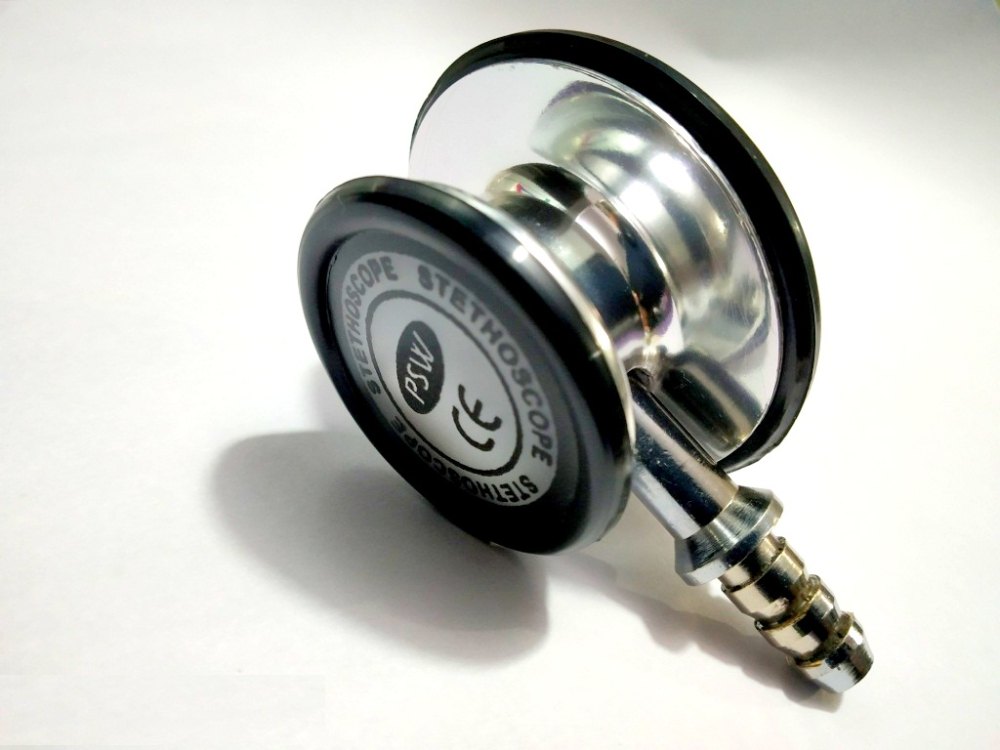
MDF stethoscope

The MDF stethoscope is available in a variety of models, including the Classic, ProCardial, and MD One. Each model is designed with specific features that make it suitable for different medical purposes. The Classic model, for instance, is suitable for general medical examination, while the ProCardial model is designed for cardiology and critical care patients. Regardless of the model you choose, the MDF stethoscope is a reliable tool that will provide you with accurate and clear sound quality.

Features of MDF stethoscope

One of the standout features of the MDF stethoscope is its exceptional sound quality. The stethoscope is designed with a patented dual-head chest piece that enhances its acoustic performance. The chest piece is made of lightweight aluminum and is precisely machined to provide accurate and clear sound transmission. Additionally, the chest piece is designed with an ergonomic shape that makes it comfortable to use even during prolonged examination and diagnosis.

Another feature that sets the MDF stethoscope apart from the competition is its durability. The stethoscope is made of high-quality materials that are resistant to wear and tear. The tubing is made of latex-free PVC, which is not only durable but also easy to clean and maintain. The stethoscope also comes with a lifetime warranty, which guarantees its quality and performance.

Use this healthcare products links buy MDF stethoscope.

The MDF stethoscope also features a non-chill rim that ensures patient comfort during the examination. The rim is designed to prevent cold sensations on the patient’s skin, ensuring that they remain comfortable during the examination. The stethoscope also comes with interchangeable ear tips that provide a comfortable fit for different ear sizes. The ear tips are made of soft silicone and are designed to reduce ambient noise, ensuring that you can hear the patient’s sounds with clarity.

Benefits of using MDF stethoscope

The MDF stethoscope has several benefits that make it the top choice for medical professionals. Its exceptional sound quality ensures that you can hear even the faintest sounds from the patient’s body. This is critical in making an accurate diagnosis and ensuring that you provide the right treatment to the patient. Additionally, the stethoscope is designed with patient comfort in mind, ensuring that they remain relaxed during the examination.

Another benefit of using the MDF stethoscope is its durability. The stethoscope is designed to withstand regular use, ensuring that it lasts for many years. This makes it a cost-effective investment that provides value for money in the long run. Additionally, the stethoscope is easy to maintain, requiring minimal cleaning and care to keep it in top condition.

Buy stethoscope online here.

The MDF stethoscope is also designed with versatility in mind. The different models available cater to different medical needs, ensuring that you can find one that suits your specific requirements. This makes it a versatile tool that can be used in different medical settings and for various purposes.

Why MDF stethoscope is the top choice for medical professionals

The MDF stethoscope is the top choice for medical professionals for several reasons. Firstly, its exceptional sound quality ensures that you can hear even the faintest sounds from the patient’s body. This is critical in making an accurate diagnosis and ensuring that you provide the right treatment to the patient. Additionally, the stethoscope is designed with patient comfort in mind, ensuring that they remain relaxed during the examination.

Another reason why the MDF stethoscope is the top choice for medical professionals is its durability. The stethoscope is made of high-quality materials that are resistant to wear and tear, ensuring that it lasts for many years. Additionally, the stethoscope is easy to maintain, requiring minimal cleaning and care to keep it in top condition.

The MDF stethoscope is also versatile, with different models available for different medical needs. This makes it a versatile tool that can be used in different medical settings and for various purposes. The stethoscope is also backed by a lifetime warranty, which guarantees its quality and performance, giving medical professionals confidence in its reliability.

Doctor wearing stethoscope

Comparison with other stethoscopes

While the MDF stethoscope is the top choice for medical professionals, there are other stethoscope brands available in the market. One of the most popular brands is the Littmann stethoscope, which is known for its exceptional sound quality and durability. However, the MDF stethoscope stands out from the competition due to its affordability and versatility.

The MDF stethoscope is available at a lower price point than the Littmann stethoscope, making it a more affordable option for medical professionals. Additionally, the MDF stethoscope is available in different models, ensuring that there is a stethoscope for every medical need. This makes it a versatile tool that can be used in different medical settings and for various purposes.

How to choose the right stethoscope for your needs?

Choosing the right stethoscope for your needs can be challenging, especially with so many options available in the market. However, there are several factors to consider when selecting a stethoscope. Firstly, consider the medical setting in which the stethoscope will be used. This will help you determine whether you need a general-purpose stethoscope or a specialized one for cardiology or critical care patients.

Another factor to consider is the quality of sound transmission. Ensure that the stethoscope you choose provides clear and accurate sound quality, as this is critical in making an accurate diagnosis. Additionally, consider the stethoscope’s comfort features, such as the ear tips and non-chill rim, to ensure that the patient remains relaxed during the examination.

Finally, consider the stethoscope’s durability and maintenance requirements. Choose a stethoscope that is made of high-quality materials and is easy to maintain, ensuring that it lasts for many years.

How to take care of your MDF stethoscope?

Taking proper care of your MDF stethoscope is critical in ensuring that it lasts for many years. Firstly, ensure that you clean the stethoscope after each use using a disinfectant solution. Additionally, avoid dropping or exposing the stethoscope to extreme temperatures, as this can damage its components.

Store the stethoscope in a cool, dry place when not in use, and avoid storing it in direct sunlight. Finally, ensure that you replace any worn or damaged components, such as the ear tips or tubing, to ensure that the stethoscope continues to provide accurate sound quality.

Customer reviews and feedback

The MDF stethoscope has received numerous positive reviews and feedback from medical professionals worldwide. Customers praise its exceptional sound quality, durability, and affordability, making it a popular choice for medical professionals. Additionally, customers appreciate the stethoscope’s versatility, with different models available to cater to different medical needs.

Conclusion

The MDF stethoscope is the top choice for medical professionals worldwide, thanks to its exceptional sound quality, durability, and affordability. The stethoscope is designed with patient comfort in mind, ensuring that they remain relaxed during the examination. Additionally, the stethoscope is versatile, with different models available to cater to different medical needs. Choosing the right stethoscope for your needs is critical in ensuring that you make an accurate diagnosis and provide the right treatment to the patient. So, whether you’re a seasoned clinician or a student just starting on your medical journey, consider the MDF stethoscope as your go-to tool for medical diagnosis and examination in your day to day practice.

You can compare this with other professional stethoscopes like littmann cardiology, rossmax stethoscope and low quality doctor stethoscope that are commonly found in the market.

Read more article at www.chaitanya.com.np

Read other stethoscope article at: https://doctorhealthrx.com/anatomy-of-stethoscope/ . Also get to know about types of stethoscope and part of stethoscope.

Homepage of MDF stethoscopes

Thyroid hormones, World Thyroid day 2023

Tips to keep your thyroid healthy step by step

Please read through all the article to know thyroid disorders and everything else about them. Tips are at the end.

What is thyroid?

Thyroid is a endocrine gland located in central neck. This gland produces thyroid hormones names T3 and T4 (tri-iodithroxin and tetraiodothyroxine). T3 is less in amount but more active while T4 is large in amount and less actice. For T4 to act in body it first needs to be converted in T3 which is done in the tissues. Almost all of the human cells need thyroid hormones to function well.

Read about role of hormones in menstrual cycle here

World thyroid day, 25th May

Today, May 25th is the world thyroid day. It is a day celebrated internationally in a inntention to spread awareness regarding thyroid hormones, it importance and diseases realted to thyroid hormones and thyroid gland. Ths day is recognized globally by the American Thyroid Association in cooperation with the European Thyroid Association, the Asia-Oceania Thyroid Association and the Latin American Thyroid Society, to empower people with education about thyroid gland and thyroid gland related diseases.

What hormones are produced by thyroid gland?

T3 and T4 are the hormones produced by thyroid gland. Besides this Calcitonn is also produced by the thyroid gland but this is related to calcium metabolism.

For T3 and T4 to be produced in thyroid, The pituitary gland needs to secrete TSH (thyroid stimulating hormone). Check the following diagram.

How is thyroid hormones regulated?

https://www.chaitanya.com.np/2023/05/council-for-technical-education-and.html

TSH is the hormone necessary to regulate the amount of T3 and T4 secreted in body. (Check diagram) TSH is also regulated by amount of TRH (thyrotropin releasing hormone) produced by the anterior pituitary gland.

What are the 10 functions of the thyroid hormones?

Here is complete list of functions of thyroid hormones. Here, you can see that thyroid hormone is realted to all the body which signifies its importance.

  1. Brain maturation
  2. Bone and body growth
  3. Control of heart function and autonomic nervous system
  4. Maintainance of basal metabolic rate
  5. Regulation of blood sugar levels
  6. Control of lipid and cholesterol level
  7. Maturation of lungs of babies
  8. Sexual and reproductive health maintainance
  9. Prevention of infection and accelerate healing
  10. Regulation and maintainance of body nad body functions

How do you know if your thyroid is not working well?

25 features of thyroid disorder everyone must know

Here is list of few symptoms that are seen in thyroid hormones related disorders. But these symptoms may vary depending whether you have more or less thyroid production. (See picture: Hypo vs Hyperthyroidism)

  1. Irregular bowel movements
  2. Thinning of hair, hairrfall, dry hair
  3. Hairs that wont grow
  4. High cholesterol level
  5. Waking up with headache, weakness, bodyache
  6. Difficulty gaining weight or sudden losing of weight
  7. Cold or very warm hands and feet
  8. Fatigue, weakness and lack of energy thats persistent
  9. Lack of motivation, mood swings, difficulty concentrating
  10. Dry skin and scalp
  11. Insomnia
  12. Too much of sleep
  13. Palpitation
  14. Increased blood pressure
  15. Anxiety, emotional distress, psychological problems
  16. Excessive sweating, wet hands and feet
  17. Neck swelling, mass, goitre
  18. Voice changes, too sharp or bold
  19. Heat or cold intolerence
  20. Change in appetite, problem with digestion
  21. Muscle and joints ache
  22. Menstrual irregularities
  23. Recurrent infections, sexual dysfunction, infertility
  24. Vitamin D and other hormone disbalance
  25. Swelling of body, nonpitting type oedema, especially around eyes and leg

https://www.chaitanya.com.np/2023/06/ctevt-has-published-ctevt-result-of-pcl.html

What are the common disease of thyroid gland?

Hypothyroidism

  1. Hashimoto thyroiditis
  2. Subacute granulomatoud thyroiditis
  3. Riedel thyroiditis
  4. Congenital hypothyroidism
  5. Iodine deficinecy
  6. Iodine excess
  7. Drug induced hypothyroidism
  8. Nonthyroidal illness syndrome

Hyperthyroidism

  1. Grave disease
  2. Toxic multinodular goitre
  3. Thyroid storm
  4. Jod-Basedow phenomenon
  5. Thyroid adenoma

Thyroid cancers

  1. Thyroid adenoma (benign)
  2. THyroid cysts (benign)
  3. Papipllary carconoma
  4. Follicular carcinoma
  5. Medullary carcinoma
  6. Undifferentiated/Anaplastic carcinoma

Tips to keep your thyroid healthy

Following are the basic things that can be done to help prevent thyroid disorders:

  1. Take Magnessium
  2. Take semenium
  3. Exercise
  4. Take a healthy balanced diet
  5. Avoid gluten containing foods
  6. Get enough sleep
  7. Avoid excess sugar
  8. Take iodine supplement

Why is the MDF Stethoscope the Top Choice for Medical Professionals?

Read more at www.chaitanya.com.np

  1. American Thyroid Association | ATA: https://www.thyroid.org/
  2. British Thyroid Association: https://www.british-thyroid-association.org/
  3. Australian thyroid foundation: https://www.thyroidfoundation.org.au/
  4. Diabetes and endocrinology association of Nepal: https://www.dean.com.np/