Chewing tobacco has been used for many centuries in the whole wide world for its stimulant effect. Chewing tobacco is used for its active ingridient Nicotine which has a strong stimulant activity and is addictive in nature.
In this article we will discuss about some of the popular chewing tobaccoo brands of USA and different facts about them. In the end we will also get to know about the health hazards of the chewing tobacco in general.
Let’s move forward.
Exploring Red Man Chewing Tobacco
The History and Legacy of Red Man Chewing Tobacco
Red man chewing tobacco was first introduced in 1904 and it was initially distributed as leaf chewing tobacco rather than other forms.
Red man chewing tobacco released following 5 flavors bad had 3 different product series. The flavours include
Golden blend
Select
America’s best chew silver
Original
Plug
The dipping type tobacco included
America’s Best Chew Cut Natural
America’s Best Chew Long Cut Straight
Red Man Long Cut Wintergreen (discontinued in 2021)
THE PINKERTON PROMISE In 1904, John W. Pinkerton launched America’s Best Chew to deliver the world’s freshest, most satisfying chew. His commitment to quality remains our promise. With America’s Best Chew®, it’s fresh or your money back.
AHAs and BHAs are the types of hydroxy acids that help in exfoliating the skin. AHA and BHA are type of medical skincare products that are found in multiple skin care products like moisurizers, creams, scrubs, peelers, cleansers, toners, masks etc.
AHA fullform: Alpha hydroxy acid
BHA full form: Beta hydroxy acids
PHA full form: Polyhydroxy acids
They are hydroxy acids that are derived from fruit products.
After use of AHA BHA PHA skincare products you’ll gradually start feeling that your skin is softer than before.
What is AHA BHA toner
AHA BHA PHA toners are the types of toners that help in exfoliating the outermost layer of skin and in the hair follicles and sebaceous glands.
This helps in clearing the dead tissue and help the skin get proper exposure to outer environment and helps make skin look better.
AHA vs BHA skincare products
Read more regarding AHA vs BHA in this healthline website link.
There is no exact difference between AHA BHA and PHA composition products and theres none better than others. The common differences can be seen below.
In general, AHA has anti aging effects, anti drying effets and BHA has tone maintainance property.
Paula’s choice aha bha toner (Paula’s choice toner)
Paula’s choice has been one of the long standing and doctor’s recommended skin peeler available in the market. Toda it ias been one of the top choices due to its good quality and effective results. There are minimal side effects with proper use and is relatively cost-effective as well.
Can i use cosrx aha bha toner with vitamin c? Answer: Yes you can. But try to alternate the time when you apply the product. Apply one at nightime while other at morning or vice versa.
Can i use cosrx aha bha toner everyday? Yes you can. But make sure youre not getting side effects and your skin has not thinned a lot. If youthink youre using it a lot then contact your dermatologist. Yoou can contact doctor at our site or here.
What are the side effects of skin peelers? They may irritate your skin, make it dry and may cause photosensitivity. Please consult your doctor regarding this.
What amount should I apply? The dose is not fixed but individual. You should apply the amunt that makes very thin layer in your face and is not excess. Always protect your eyes from the product as these products may harm your eyes.
What should I do if I am pregnant? These skincare products are NOT recommended for pregnant women if they contain retinol (vitamin A1). The products containing AHA, BHA and PHA are generally safe for pregnant woman. Please consult your doctor if you’re pregnant.
Pharmaceutical companies in Nepal are one of the pillars of healthcare system of Nepal. There has been a lots of ups and downs in the phamacoceutical industries of Nepal and some of the companies even got banned. We will list the foreign companes trading in Nepal under WHO GMP which can be read here.
In this article we have listed all the pharmaceutical companies in Nepal and out of them listed out the top, famous and quality pharmaceutical companies on Nepal.
Background of pharmaceutical companies in Nepal
Pharmaceutical companies in Nepal
List of Pharmacoceutical companies of Nepal registered on DDA
S. No.
Manufacturer Name
System (Type)
1
A S HERBAL INDUSTRY
AYURVEDIC
2
Aadee Remedies Pvt Ltd
ALLOPATHY
3
ABHICOM PHARMACEUTICALS PVT LTD
ALLOPATHY
4
Accord Pharmaceuticals Pvt Ltd
ALLOPATHY
5
Adonis Biofarma Private Limited
ALLOPATHY
6
Alive Pharmaceutical Pvt Ltd
ALLOPATHY
7
Alliance Pharmaceuticals Private Limited
ALLOPATHY
8
AMTECH MED PVT LTD
ALLOPATHY
9
Anu Health Care Pvt Ltd
ALLOPATHY
10
Apex Pharmaceuticals Pvt Ltd
ALLOPATHY
11
Apple international Pharmaceuticals Pvt Ltd
ALLOPATHY
12
Arrow Pharmaceuticals Pvt Ltd
ALLOPATHY
13
Arya Pharmalab Pvt Ltd
ALLOPATHY
14
Asian Pharmaceuticals Pvt Ltd
ALLOPATHY
15
Big B formulation pvt ltd
VETERENARY
16
Biogain Remedies Private Limited
ALLOPATHY
17
Biovac Nepal Pvt Ltd
VETERENARY
18
Chemidrug Industries Pvt Ltd
ALLOPATHY
19
CITIZEN PHARMACEUTICALS PVT LTD
VETERENARY
20
Corel Pharmaceuticals
ALLOPATHY
21
CTL Pharmaceuticals Pvt Ltd
ALLOPATHY
22
CTL Pharmaceuticals Pvt. Ltd. ,Chitwan Unit
ALLOPATHY
23
Curex Pharmaceuticals Pvt Ltd
ALLOPATHY
24
DENIUM LABORATORIES PVT LTD
ALLOPATHY
25
Derren Pharmaceuticals Private Limited
ALLOPATHY
26
DEURALI JANTA PHARMACEUTICALS PVT LTD
ALLOPATHY
27
Deurali Janta Pharmaceuticals Pvt Ltd Unit III
ALLOPATHY
28
Divine Health Care Pvt Ltd
ALLOPATHY
29
Elixir Life Science Private Limited
ALLOPATHY
30
EMVOLIO LIFE SCIENCES PVT LTD
VETERENARY
31
Evans Life Sciences Pvt Ltd
ALLOPATHY
32
Everest Parenterals Pvt Ltd
ALLOPATHY
33
Everest Pharmaceuticals Pvt Ltd
ALLOPATHY
34
Florid Laboratories pvt ltd
ALLOPATHY
35
GD Pharmaceutical Pvt Ltd
ALLOPATHY
36
GENERICA PHARMACEUTICALS PVT LTD
ALLOPATHY
37
Genetica Laboratory Pvt Ltd
ALLOPATHY
38
Global Pharmaceuticals Pvt Ltd
ALLOPATHY
39
Grace Pharmaceuticals Pvt Ltd
AYURVEDIC
40
Gurans Pharmaceutical Pvt Ltd
VETERENARY
41
Haps formulations pvt ltd
ALLOPATHY
42
Harvard Pharmaceuticals Private Limited
ALLOPATHY
43
Hester Biosciences Nepal Pvt ltd
VETERENARY
44
HIMALAYAN ESSENCE PVT LTD
ALLOPATHY
45
Himgiri Health Care Udhyog
ALLOPATHY
46
Hukam Pharmaceuticals Pvt Ltd
ALLOPATHY
47
IDEAL PHARMACEUTICALS COMPANY PRIVATE LIMITED
ALLOPATHY
48
Innovative pharma lab private limited
ALLOPATHY
49
Jio Phramaceuticals Pvt Ltd
ALLOPATHY
50
JJ Laboratories Pvt Ltd
ALLOPATHY
51
Kalika Pharmaceuticals Pvt Ltd
ALLOPATHY
52
Kantipur Laboratories Pvt Ltd
ALLOPATHY
53
KANTIPUR PHARMACEUTICALS LAB PVT LTD
VETERENARY
54
Kasturi Pharmaceuticals Pvt Ltd
ALLOPATHY
55
Keva Pharmaceuticals Pvt Ltd
ALLOPATHY
56
Life Solutions Pvt Ltd
ALLOPATHY
57
LIFESTAR PHARMACEUTICALS PRIVATE LIMITED
ALLOPATHY
58
Livecare Pharmaceuticals Pvt Ltd
VETERENARY
59
Lomus Parenterals and Formulation Pvt Ltd
ALLOPATHY
60
LOMUS PHARMACEUTICALS PVT LTD
ALLOPATHY
61
LORD BUDDHA PHARMACHEM PVT LTD
ALLOPATHY
62
Lucius Pharmaceuticals Pvt Ltd
ALLOPATHY
63
M.D.H. Pharmaceuticals Pvt.Ltd
VETERENARY
64
Magnus Pharma Pvt Ltd
ALLOPATHY
65
MANOJ CHEMICAL WORKS
ALLOPATHY
66
MANOJ PHARMACEUTICAL WORKS
ALLOPATHY
67
Mark Formulations Private Limited
ALLOPATHY
68
Maruti Pharma Private Limited
ALLOPATHY
69
MAX PHARMA PVT LTD
ALLOPATHY
70
Medrik Pharmaceuticals Pvt Ltd
ALLOPATHY
71
MEERA BIOTECH PRIVATE LIMITED
ALLOPATHY
72
Mesa Pharmaceutical Pvt Ltd
ALLOPATHY
73
Mountain Glacier Pharmaceuticals Pvt Ltd
ALLOPATHY
74
National Healthcare Pvt. Ltd.
ALLOPATHY
75
Nepacare Pharmaceuticals Private Limited
ALLOPATHY
76
Nepal Aushadhi Limited
ALLOPATHY
77
nepal ayurved
AYURVEDIC
78
Nepal CRS Company
ALLOPATHY
79
Nepal Pharmaceuticals Laboratory PVt Ltd
ALLOPATHY
80
Nepal Remedies Pvt Ltd
ALLOPATHY
81
Nippon Pharmaceuticals Pvt Ltd
ALLOPATHY
82
Nova Genetica Private Limited
ALLOPATHY
83
NUMARKS PHARMACEUTICALS P LTD
ALLOPATHY
84
OHM Pharmaceuticals Laboratories Pvt Ltd
ALLOPATHY
85
Om Megashree Pharmaceuticals Ltd
ALLOPATHY
86
OMNICA LABORATORIES PVT LTD
ALLOPATHY
87
OSHIN UDYOG
ALLOPATHY
88
Panas Pharmaceuticals Pvt Ltd
ALLOPATHY
89
PHARMACO INDUSTRIES PVT LTD
ALLOPATHY
90
PHARMONICS LIFE SCIENCES PVT LTD
ALLOPATHY
91
Pokhara Pharmaceuticals Pvt ltd
ALLOPATHY
92
Prakash Udhyog
93
Prime Pharmaceuticals Pvt Ltd
ALLOPATHY
94
QbD Pharmaceuticals Pvt Ltd
ALLOPATHY
95
Qmed Formulation P Ltd
ALLOPATHY
96
Quest Pharmaceuticals Private Limited
ALLOPATHY
97
Rajdevi Pharmaceuticals Private Limited
ALLOPATHY
98
Rhododendron Biotech Private Limited
ALLOPATHY
99
Rijalco Hygiene Industries
ALLOPATHY
100
Royal Pharmaceuticals Pvt Ltd
ALLOPATHY
101
Royal Sasa Nepal Pharmaceuticlas
ALLOPATHY
102
S R DRUG LABORATORIES PVT LTD
ALLOPATHY
103
Samar Pharma Company Pvt Ltd
ALLOPATHY
104
SHIV PHARMACEUTICAL LABORATORIES
ALLOPATHY
105
SHIVAM PHARMACEUTICAL PVT LTD
ALLOPATHY
106
Siddhartha Pharmaceuticals Pvt Ltd
ALLOPATHY
107
Simca Laboratories Pvt Ltd
VETERENARY
108
Sopan Pharmaceuticals Limited
ALLOPATHY
109
Sumy Pharnaceuticals Pvt Ltd
ALLOPATHY
110
Sunrise Pharmaceuticals Pvt Ltd
ALLOPATHY
111
Supreme chemicals
ALLOPATHY
112
Supreme Health Care Pvt Ltd
ALLOPATHY
113
SUPRIYA CHEMICAL AND PACKING INDUSTRY
ALLOPATHY
114
SWORNIM PHARMACEUTICALS PVT LTD
ALLOPATHY
115
Symbiotech Healthcare Pvt Ltd
ALLOPATHY
116
Taurus Pharma Pvt Ltd
ALLOPATHY
117
Time Pharmaceuticals Pvt Ltd
ALLOPATHY
118
TIZIG PHARMA PVT LTD
ALLOPATHY
119
Toreva Pharmaceuticals Private Limited
ALLOPATHY
120
UNIQUE PHARMACEUTICALS PRIVATE LIMITED
ALLOPATHY
121
UNITED PHARMACEUTICALS INDUSTRY PVT LTD
VETERENARY
122
Universal Formulations Pvt Ltd
ALLOPATHY
123
V M C Pharmaceuticals Pvt Ltd
VETERENARY
124
Vega Pharmaceuticals Pvt Ltd
ALLOPATHY
125
Vijayadeep Laboratories Limited
ALLOPATHY
126
Win tech Chemical
ALLOPATHY
127
ZENITH PHARMACHEM INDUSTRIES PVT LTD
ALLOPATHY
128
Zydin Biotech Pvt Ltd
ALLOPATHY
List of Pharmaceutical companies in Nepal
Top 20 best pharmacoceutical companies of Nepal
DEURALI JANTA PHARMACEUTICALS PVT LTD
Everest Pharmaceuticals Pvt Ltd
Lomus Parenterals and Formulation Pvt Ltd
National Healthcare Pvt. Ltd.
Panas Pharmaceuticals Pvt Ltd
SHIVAM PHARMACEUTICAL PVT LTD
Sunrise Pharmaceuticals Pvt Ltd
Universal Formulations Pvt Ltd
Zydin Biotech Pvt Ltd
Nepal Pharmaceuticals Laboratory PVt Ltd
Nepal CRS Company
Mark Formulations Private Limited
LORD BUDDHA PHARMACHEM PVT LTD
Kalika Pharmaceuticals Pvt Ltd
Kalika Pharmaceuticals Pvt Ltd
Florid Laboratories pvt ltd
Corel Pharmaceuticals
Apex Pharmaceuticals Pvt Ltd
Asian Pharmaceuticals Pvt Ltd
Alliance Pharmaceuticals Private Limited
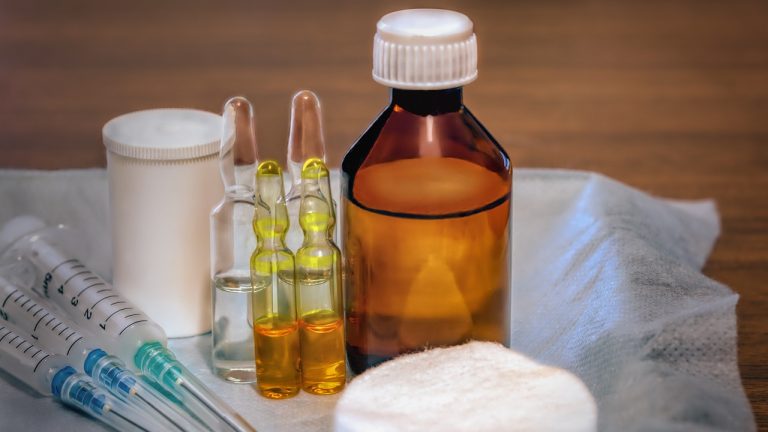
Pharmaceutical companies in Nepal products drugs and syringe
Disclaimer
This list of top pharmaceutical companies in Nepal is general list only and authors personal experience only. There is no scientific or mathematical or any study regarding the rank. It is very subjective report based on the authors experience while practicing. If you have any query regarding top pharmaceutical company in Nepal contact us. Selecting top pharmaceutical company is difficult job and there are not clear standards except practical experience. Government of Nepal, Department of Drug Administration doesnot release any list of top pharmaceutical companies in Nepal.
When it comes to our health, paying attention to even the smallest symptoms is vital. Chest pain is often associated with heart problems, however did you recognize that arm pain can also be a potential indicator? In this article, we are able to discover the relationship between arm pain and heart troubles, supporting you recognize while to are trying to find medical attention and a way to stay proactive approximately your cardiovascular health.
Chest pain with heart disease
Understanding Arm pain
Arm pain can be one of the symptoms of heart disease. Arm ache/pain can be experienced in various methods, along with aching, pulsating, or a pins-and-needles sensation. Even as no longer all times of arm ache indicate coronary heart troubles, it is crucial to recognize while it may probably be a symptom of an underlying cardiovascular issue.
Possible causes of pain to the left arm
One of the many causes of left arm pain is heart disease but it is not so common. More then that isolated left sided arm pain can be less likely due to the heart disease rather it can be musculoskeletal or neurological cause. So, it’s vital to notice that arm pain can also be resulting from factors like muscle pressure, injury, or stress on nerves. For an accurate diagnosis, it’s recommended to consult with a healthcare expert.
Pain and coronary heart diseases
Arm pain as a Symptom of coronary heart issues it’s important to note that not all people experiencing coronary heart problems will have arm ache, and now not all arm ache indicates a heart condition. however, arm ache, especially in the left arm, is typically related to coronary heart issues. that is because the nerves from the coronary heart and the arm share pathways inside the spinal twine, that may lead to referred ache.
Left sided chest pain with heart disease
Nature of pain in heart disease
Types of heart situations and Arm ache a) heart assault: throughout a heart attack, blood drift to the heart is blocked, inflicting chest ache or pain. This pain can radiate to the left arm, shoulder, or even the jaw. if you revel in excessive, chronic, or unexpected arm pain in conjunction with other heart assault symptoms like chest pain, shortness of breath, and dizziness, are trying to find instant medical attention.
The pain of heart attack usually last more than 15 minutes and so arm pain of heart attack also lasts more than 15 minutes. To know your arm pain is heart related you should have other risk factors as well as heart disease symptoms.
What does heart attack arm pain feel like?
Heart attack pain is usually continuous type, vague and pressing type. It will be associated with central chest, left chest, jaw, neck , or upper abdominal pain, It is also associated with shortness of breath, weakness and sweating. Usually the pain is very severe.
Is always left arm involved in heart attack?
No. It is mostly left arm but sometimes the pain might be radiated to the right arm as well during the heart attack and shoul we be equaly cautious regarding to the right arm as well. Ignoring this fact even the highly talented healthcare personnel may miss the diagnosis leading to bad outcomes.
Arm pain and heart attack: which arm hurts during heart attack?
When to are trying to find scientific interest arm pain on my own might not continually suggest a coronary heart trouble, however in case you enjoy any of the subsequent signs similarly to arm ache, it is important to seek on the spot scientific interest:
6 Symptoms of heart disease
Chest pain or discomfort
Shortness of breath
Sweating
Nausea or vomiting
Lightheadedness or fainting
Pain that radiates down the left arm, jaw, or shoulder
At the same time as arm pain may have various causes, it is essential to be aware about the capacity connection among arm ache and coronary heart problems. understanding the signs and symptoms associated with heart conditions, including chest pain and arm ache, permit you to make informed choices about in search of scientific assistance. remember, it is always higher to misunderstand the side of caution and seek advice from a healthcare expert when you have issues about your heart fitness.
People with red hair need more anesthesia: Research review
Do redheads need more anesthesia than others?
What does the biology and medical science say?
Recently I was going through an online social network and I saw a post saying redheads need more aneshthesia and here’s review on the topic based on multiple researches and publications.
Hope youll enjoy reading it.
The Science Behind Why Redheads Need More Anesthesia
Have you ever wondered why redheads may require more anesthesia than people with other hair colors? It turns out that there is a scientific explanation for this phenomenon. Redheads have a genetic variation that affects the way their bodies process pain and anesthesia.
The mutation in melanocortin-1 receptor has been attributed to the red hair of theose people and same for the difference in the sensivity to the pain and depth of anesthesia as well.
This variation causes their bodies to be more resistant to pain medication, requiring higher doses to achieve the same level of pain relief. In addition, redheads also have a higher likelihood of experiencing anxiety and nervousness before surgery, which can also affect their response to anesthesia. This unique attribute of redheads has been studied extensively by medical professionals, and understanding this genetic variation can help anesthesiologists provide more effective care for their redheaded patients. So, if you’re a redhead or know someone who is, read on to discover the fascinating science behind this phenomenon.
What is anesthesia and how does it work?
There are three types of anesthesia: general, regional, and local. The anesthesia described here may refer to local or regional anesthesia, sedation and general anesthesia.
General anesthesia is a state of induced unconsciousness that is used to provide pain relief and muscle relaxation during medical procedures. General anesthesia is the most common and involves the use of drugs that put the patient to sleep and block pain signals to the brain. Regional anesthesia involves numbing a specific area of the body, while local anesthesia involves numbing a small area, such as a tooth or skin patch.
The drugs used in anesthesia work by blocking the transmission of nerve signals that communicate pain and other sensations to the brain. This allows the patient to undergo medical procedures without feeling any pain or discomfort. The mechanism of general enesthesia like propofol may not be completely understood r explained. The amount of anesthesia required depends on various factors, including the patient’s weight, age, and medical history.
The genetic mutation responsible for red hair
Red hair is caused by a genetic mutation in the MC1R gene, which is responsible for producing the pigment that gives hair its color. This mutation causes the gene to produce a protein that is less effective at producing the pigment, resulting in red hair. The MC1R gene is also responsible for producing melanin, which is the pigment that gives skin its color. People with the red hair gene mutation have less melanin in their skin, which makes them more susceptible to sunburn and skin cancer.
The MC1R gene mutation is inherited in an autosomal recessive pattern, meaning that a person must inherit two copies of the mutated gene (one from each parent) to have red hair. However, even people with just one copy of the mutated gene may exhibit some of the traits associated with red hair, such as fair skin and freckles.
The link between red hair and anesthesia: Does being a redhead affect anesthesia?
Research has shown that people with red hair require more anesthesia than people with other hair colors. This is because the MC1R gene mutation affects the way the body responds to certain drugs, including pain medication and anesthesia. The mutation causes the body to produce less of a protein called POMC, which is involved in the production of endorphins, the body’s natural painkillers. This results in redheads being less sensitive to certain types of pain medication and requiring higher doses to achieve the same level of pain relief.
In addition to being less sensitive to pain medication, redheads also have a higher likelihood of experiencing anxiety and nervousness before surgery. This can be attributed to the fact that the same genetic mutation that causes red hair also affects the production of the stress hormone cortisol. People with the mutation produce less cortisol, which can lead to increased anxiety and stress.
Studies on redheads and anesthesia: Does anesthesia affect hair color?
Several studies have been conducted to investigate the link between red hair and anesthesia. One study published in the British Journal of Anaesthesia found that redheads required 20% more anesthesia than people with other hair colors. Another study published in the journal Anesthesiology found that redheads required 19% more anesthesia than people with dark hair and 16% more than people with blonde hair.
These studies also found that redheads were more likely to experience side effects from anesthesia, such as nausea and vomiting. This may be due to the fact that the drugs used in anesthesia are metabolized differently in people with the MC1R gene mutation, leading to a longer recovery time and increased risk of side effects.
Redhead people require more anesthesia: Anesthesist providing anesthesia
Differences in anesthesia dosage for redheads
The fact that redheads require more anesthesia than people with other hair colors has important implications for healthcare providers. Anesthesiologists must take this into account when administering anesthesia to redheaded patients, as failing to do so can result in inadequate pain relief and increased risk of side effects.
To ensure that redheads receive the appropriate amount of anesthesia, anesthesiologists may need to adjust the dosage based on the patient’s hair color and genetic makeup. This can be done by conducting a genetic test to determine whether the patient has the MC1R gene mutation and adjusting the anesthesia dosage accordingly.
Other medical considerations for redheads
In addition to requiring more anesthesia, redheads may also be more susceptible to certain medical conditions. For example, research has shown that redheads have a higher risk of developing skin cancer due to their fair skin and reduced ability to produce melanin. They may also be more susceptible to certain types of pain, such as chronic pain and migraine headaches.
Redheads may also require different dosages of other types of medication, such as painkillers and antidepressants. This is because the MC1R gene mutation affects the way the body processes these drugs, just as it affects the way the body processes anesthesia.
Challenges for healthcare providers
The fact that redheads require more anesthesia and may be more susceptible to certain medical conditions can present challenges for healthcare providers. Anesthesiologists must be aware of the unique needs of redheaded patients and take steps to ensure that they receive the appropriate care.
This may involve conducting genetic testing to determine whether the patient has the MC1R gene mutation and adjusting the anesthesia dosage accordingly. It may also involve providing additional support to redheaded patients who may be more anxious or stressed before surgery.
Coping mechanisms for redheads undergoing anesthesia: incomplete anesthesia
If you’re a redhead who is scheduled to undergo anesthesia, there are steps you can take to help ensure a successful outcome. First, make sure to inform your healthcare provider that you have red hair and discuss any concerns you may have about anesthesia. Your provider can work with you to develop a plan that addresses your unique needs and concerns.
You may also want to consider relaxation techniques such as deep breathing, meditation, or visualization to help reduce anxiety and stress before surgery. These techniques can help you feel more relaxed and may even reduce the amount of anesthesia you require.
Conclusion and future research directions
The science behind why redheads require more anesthesia is a fascinating area of research that has important implications for healthcare providers. By understanding the link between red hair and anesthesia, anesthesiologists can provide more effective care to redheaded patients and reduce the risk of side effects.
However, there is still much to learn about the unique needs of redheaded patients. Future research in this area may focus on developing new anesthesia drugs that are more effective for redheads or identifying other medical conditions that may be more prevalent in this population.
Overall, the science behind why redheads require more anesthesia is just one example of how genetic variations can affect the way our bodies respond to medication and medical procedures. By understanding these variations, healthcare providers can provide more personalized care that takes into account each patient’s unique needs and genetic makeup.
References:
Edwin B. Liem, Chun-Ming Lin, Mohammad-Irfan Suleman, Anthony G. Doufas, Ronald G. Gregg, Jacqueline M. Veauthier, Gary Loyd, Daniel I. Sessler; Anesthetic Requirement Is Increased in Redheads. Anesthesiology 2004; 101:279–283 doi: https://doi.org/10.1097/00000542-200408000-00006
Chua, M.V., Tsueda, K. & Doufas, A.G. Midazolam causes less sedation in volunteers with red hair. Can J Anesth 51, 25–30 (2004). https://doi.org/10.1007/BF03018542
Edwin B. Liem, Teresa V. Joiner, Kentaro Tsueda, Daniel I. Sessler; Increased Sensitivity to Thermal Pain and Reduced Subcutaneous Lidocaine Efficacy in Redheads. Anesthesiology 2005; 102:509–514 doi: https://doi.org/10.1097/00000542-200503000-00006
Robinson KC, Kemény LV, Fell GL, Hermann AL, Allouche J, Ding W, Yekkirala A, Hsiao JJ, Su MY, Theodosakis N, Kozak G, Takeuchi Y, Shen S, Berenyi A, Mao J, Woolf CJ, Fisher DE. Reduced MC4R signaling alters nociceptive thresholds associated with red hair. Sci Adv. 2021 Apr 2;7(14):eabd1310. doi: 10.1126/sciadv.abd1310. PMID: 33811065.
McGoldrick, Kathryn E. MD. Anesthetic Requirement Is Increased in Redheads. Survey of Anesthesiology 49(1):p 3, February 2005. | DOI: 10.1097/01.sa.0000151196.69484.b6
Xing Y, Sonner JM, Eger EI 2nd, Cascio M, Sessler DI. Mice with a melanocortin 1 receptor mutation have a slightly greater minimum alveolar concentration than control mice. Anesthesiology. 2004;101:544-546
Brock Droll, Melissa Drum, John Nusstein, Al Reader, Mike Beck, Anesthetic Efficacy of the Inferior Alveolar Nerve Block in Red-haired Women, Journal of Endodontics, Volume 38, Issue 12, 2012, Pages 1564-1569, ISSN 0099-2399, https://doi.org/10.1016/j.joen.2012.08.014. (https://www.sciencedirect.com/science/article/pii/S0099239912008059)
Liem EB, Joiner TV, Tsueda K, Sessler DI. Increased sensitivity to thermal pain and reduced subcutaneous lidocaine efficacy in redheads. Anesthesiology. 2005 Mar;102(3):509-14. doi: 10.1097/00000542-200503000-00006. PMID: 15731586; PMCID: PMC1692342.
FAQs
How much more anesthesia do women and girls with red hair need?
A small study published in the journal Anesthesiology found that women and girls with red hair required up to 20% more anesthesia to keep them sedated than did women with dark or black hair.