Pharmacy license examination is one of the tough examination throughout nation. Below is a set of 50 multiple‐choice questions (MCQs) covering a range of pharmacy topics—from pharmacology and pharmacokinetics to pharmacy practice and patient safety. The answer key is provided at the end.
1. Beta-Blockers
Which of the following is classified as a non‐selective beta‑adrenergic receptor antagonist? A) Propranolol B) Metoprolol C) Atenolol D) Bisoprolol
A patient with hypertension is prescribed a beta‑blocker. Which of the following drugs is most likely to be used? A) Propranolol B) Amlodipine C) Losartan D) Hydrochlorothiazide
2. Diuretics
Which of the following is a loop diuretic used for the treatment of edema? A) Hydrochlorothiazide B) Furosemide C) Spironolactone D) Amiloride
Thiazide diuretics primarily act on which segment of the nephron? A) Proximal convoluted tubule B) Loop of Henle C) Distal convoluted tubule D) Collecting duct
3. Cardiovascular Agents
Which of the following is an angiotensin‑converting enzyme (ACE) inhibitor? A) Lisinopril B) Losartan C) Amlodipine D) Metoprolol
Amlodipine is best classified as which type of medication? A) Calcium channel blocker B) ACE inhibitor C) Beta‑blocker D) Diuretic
4. Antibiotics
Amoxicillin belongs to which class of antibiotics? A) Penicillins B) Cephalosporins C) Macrolides D) Fluoroquinolones
Which of the following is an aminoglycoside antibiotic? A) Gentamicin B) Amoxicillin C) Ciprofloxacin D) Clindamycin
5. Gastrointestinal Medications
Which of the following medications is classified as a proton pump inhibitor (PPI)? A) Omeprazole B) Ranitidine C) Metoclopramide D) Sucralfate
Which of the following adverse effects has been associated with long-term proton pump inhibitor use? A) Increased risk of fractures B) Hypomagnesemia C) Vitamin B12 deficiency D) All of the above
6. Central Nervous System (CNS) Agents
Which of the following is a commonly prescribed selective serotonin reuptake inhibitor (SSRI)? A) Fluoxetine B) Venlafaxine C) Bupropion D) Mirtazapine
Flumazenil is used as a reversal agent for the overdose of which class of drugs? A) Benzodiazepines B) Opioids C) Barbiturates D) Antidepressants
Which medication is a first‑line treatment for type 2 diabetes mellitus? A) Metformin B) Glyburide C) Insulin D) Pioglitazone
Which of the following is used in the management of attention deficit hyperactivity disorder (ADHD)? A) Methylphenidate B) Haloperidol C) Risperidone D) Clozapine
Which of the following drugs is considered a direct thrombin inhibitor? A) Dabigatran B) Warfarin C) Heparin D) Rivaroxaban
7. Pain Management and Inflammation
A common adverse effect of opioid analgesics is: A) Constipation B) Diarrhea C) Hypertension D) Insomnia
Which of the following is a selective COX‑2 inhibitor? A) Celecoxib B) Ibuprofen C) Naproxen D) Indomethacin
8. Drug Mechanisms and Pharmacokinetics
Which route of drug administration bypasses first‑pass metabolism? A) Sublingual B) Oral C) Rectal D) Intramuscular
The primary organ responsible for the metabolism of most drugs is the: A) Liver B) Kidney C) Heart D) Lungs
The term “bioavailability” is best defined as: A) The fraction of an administered dose that reaches systemic circulation unchanged B) The rate at which a drug is absorbed C) The degree to which a drug binds to plasma proteins D) The distribution of a drug into body tissues
Plasma protein binding is an important consideration during which phase of pharmacokinetics? A) Distribution B) Absorption C) Metabolism D) Excretion
The minimum plasma concentration required to produce a therapeutic effect is known as the: A) Minimum effective concentration (MEC) B) Maximum safe concentration C) Therapeutic index D) Peak concentration
The “half‑life” of a drug is defined as the time required for its plasma concentration to: A) Decrease by half B) Reach maximum concentration C) Achieve steady state D) Be completely eliminated
9. Endocrine and Bone Health
Which of the following is considered the most effective treatment for Parkinson’s disease motor symptoms? A) Levodopa/Carbidopa B) Selegiline C) Amantadine D) Bromocriptine
Which medication is used to treat hypothyroidism? A) Levothyroxine B) Methimazole C) Propylthiouracil D) Iodine
Bisphosphonates are primarily used in the treatment of: A) Osteoporosis B) Hypertension C) Diabetes mellitus D) Hyperlipidemia
10. Immunology and Transplantation
Which of the following is used as an immunosuppressant in organ transplant patients? A) Cyclosporine B) Amoxicillin C) Simvastatin D) Furosemide
11. Vaccines and Biologics
Which is the most common route for administering vaccines? A) Intramuscular B) Oral C) Intravenous D) Subcutaneous
Which of the following is an example of a biologic medication? A) Insulin B) Acetaminophen C) Ibuprofen D) Lisinopril
12. Hematology and Coagulation
Which of the following best describes the mechanism of action of warfarin? A) Inhibition of vitamin K epoxide reductase B) Direct thrombin inhibition C) Inhibition of platelet aggregation D) Promotion of fibrinolysis
An abrupt discontinuation of beta‑blockers may result in: A) Rebound hypertension B) Bradycardia C) Hypotension D) Hyperkalemia
13. Allergy and Respiratory
Which of the following is a first‑generation antihistamine? A) Diphenhydramine B) Loratadine C) Cetirizine D) Fexofenadine
Cetirizine is best classified as a: A) Second‑generation antihistamine B) First‑generation antihistamine C) Corticosteroid D) Decongestant
Which of the following is commonly used as a nasal decongestant available over the counter? A) Oxymetazoline B) Loratadine C) Cetirizine D) Acetaminophen
A common side effect of first‑generation antihistamines is: A) Sedation B) Hypertension C) Insomnia D) Diarrhea
14. Psychiatric and Neurologic Drugs
Which of the following medications is classified as an antipsychotic? A) Risperidone B) Sertraline C) Valproic acid D) Lithium
Flumazenil is primarily used to reverse the effects of which drug class? A) Benzodiazepines B) Opioids C) Barbiturates D) Antidepressants
15. Miscellaneous Topics and Pharmacy Practice
A “black box warning” on a drug label signifies that the medication: A) Carries a risk of serious or life‑threatening adverse effects B) Requires routine dose adjustments C) Has minor side effects only D) May interact with food supplements
Which of the following is a common contributing factor to medication errors in a pharmacy setting? A) Similar drug names B) Incorrect dosing C) Illegible handwriting D) All of the above
Medication therapy management (MTM) services provided by pharmacists always include: A) A comprehensive medication review B) Disease diagnosis C) Medication prescribing D) Performing surgical procedures
In the compounding of medications, which of the following is critical? A) Ensuring proper sterility B) Avoiding contamination C) Accurate measurement of ingredients D) All of the above
Which of the following statements about generic medications is true? A) They contain the same active ingredient as their brand‑name counterparts B) They are less effective than brand‑name drugs C) They always cost more than brand‑name drugs D) They are not regulated by the FDA
Anticholinergic drugs most commonly cause which of the following side effects? A) Dry mouth B) Diarrhea C) Bradycardia D) Excessive sweating
Which of the following medications is used for smoking cessation? A) Bupropion B) Methadone C) Naloxone D) Lorazepam
Which of the following is a key aspect of drug distribution in the body? A) Plasma protein binding B) Gastrointestinal absorption C) Hepatic first‑pass metabolism D) Renal excretion
The term “therapeutic index” is best described as the ratio of: A) Toxic dose to therapeutic dose B) Peak concentration to half‑life C) Absorption rate to elimination rate D) Effective dose to placebo effect
Which of the following medications is used in the treatment of opioid overdose? A) Naloxone B) Flumazenil C) Naltrexone D) Atropine
In pharmacotherapy, what is the primary goal of medication therapy management (MTM)? A) To optimize therapeutic outcomes and reduce medication-related problems B) To replace the prescriber’s role in therapy C) To market new drugs to patients D) To limit patient access to medications
Which of the following best describes the term “first-pass metabolism”? A) The reduction in drug concentration before it reaches systemic circulation B) The time taken to reach peak plasma levels C) The elimination of drug metabolites D) The duration of a drug’s therapeutic effect
In compounding practice, which of the following is essential to ensure patient safety? A) Adherence to sterile techniques and proper calculations B) Relying on outdated formulas C) Minimizing quality control measures D) Delegating all tasks without supervision
Definition of Waist-to-Hip Ratio (WHR) (waist hip circumference ratio)
Waist-to-Hip Ratio (WHR) is the ratio of the circumference of the waist to that of the hips. It is calculated by dividing the waist measurement by the hip measurement. WHR is an indicator of body fat distribution and is used as a measure of health risk associated with obesity.
WHR (waist hip circumference ratio) Classification
The WHR classification is as follows:
risk level
Male
female
lower risk
less than 0.9
less than 0.8
moderate risk
0.92-0.99
0.82-0.84
high risk
more than equal to 1
more than equal to 0.85
A higher WHR indicates greater central fat distribution, which is associated with an increased risk of cardiovascular disease, type 2 diabetes, and other obesity-related conditions.
Technique of measuring waist and hip circumference
Waist Circumference
Measure the smallest circumference of the abdomen, just above the belly button (navel), after exhaling naturally.
Waist hip citcumference ratio
Hip Circumference
Measure the largest circumference of the hips, typically around the widest part of the buttocks.
The waist and hip circumference ratio calculator
Calculate Your Waist-to-Hip Ratio (WHR)
Result:
How to Reduce Waist and Hip Circumference
1. Balanced Diet: Eat a diet rich in fruits, vegetables, lean protein, and whole grains while avoiding excessive sugar and processed foods.
2. Regular Exercise:
Engage in aerobic exercises (e.g., running, swimming, cycling) to burn fat.
Incorporate strength training to build muscle and improve metabolism.
3. Hydration: Drink plenty of water to support digestion and metabolism.
4. Adequate Sleep: Aim for 7-9 hours of sleep per night to regulate hormones that control appetite and fat storage.
5. Stress Management: Practice mindfulness, meditation, or yoga to manage stress and avoid emotional eating.
FAQs
1. What is Waist-to-Hip Ratio (WHR), and why is it important?
WHR is the size of your waist divided by the size of your hips. It tells how fat is stored in your body. A high WHR can mean a higher risk of heart problems, diabetes, and other health issues.
2. How do I measure my waist and hips correctly?
For your waist, measure just above your belly button (the narrowest part of your abdomen). For your hips, measure around the widest part of your hips and buttocks. Use a tape measure, and make sure it’s snug but not too tight.
3. How can I lower my waist-to-hip ratio?
Eat healthy foods like fruits, vegetables, and lean proteins. Exercise regularly (cardio and strength training). Drink enough water, sleep well, and reduce stress. These steps can help reduce fat, especially around your waist, and improve your overall health.
Gowers’ sign is a medical sign that indicates weakness in the pelvic girdle and proximal lower limb muscles. It’s characterized by a patient using their hands to “walk” up their body to get to a standing position.
Duchenne Muscular Dystrophy (DMD) is the most common and severe form of progressive muscular dystrophy in children. It belongs to a group of primary myopathies characterized by a progressive, genetic-based degeneration and death of muscle fibers.
1. Genetic Profile and Pathogenesis
Inheritance: DMD is an X-linked recessive disorder, almost exclusively affecting males and carried by females. Approximately one-third of cases result from de novo (new) mutations.
Molecular Defect: It is caused by a mutation (typically a deletion) in the gene for dystrophin located on chromosome Xp21.
Mechanism: Dystrophin is the longest known human gene and encodes a protein that connects the muscle fiber cytoskeleton to the surrounding extracellular matrix. Without functional dystrophin, muscle cells undergo chronic damage, necrosis, and replacement by fat and fibrous tissue.
2. Clinical Features
DMD typically presents between the ages of 2 and 5 years.
Early Signs: Delayed motor milestones (especially late walking) and mild speech or language delay are often the first indicators.
Muscle Weakness: Progressive, symmetric weakness begins in the pelvis and hip girdle, later involving the shoulder girdle.
Gait and Mobility: Affected children exhibit a waddling (Trendelenburg) gait, frequent falls, and difficulty climbing stairs (mounting them “one by one”).
Gower Sign: A classic clinical finding where the child, unable to stand up normally from the floor, must turn prone and “climb up his own thighs” with his hands to reach an upright position.
Pseudohypertrophy: Striking enlargement of the calf muscles occurs because muscle tissue is replaced by fat and connective tissue rather than true muscle growth.
Intellectual Function: Approximately 20% to 30% of boys have learning difficulties or non-progressive intellectual impairment.
3. Diagnostic Evaluation
Diagnosis should be initiated at the first clinical suspicion.
Serum Creatine Kinase (CK): Remarkably high levels (usually 10 to 40 times normal) are a hallmark of the disease.
Genetic Testing: Direct dystrophin gene testing is now the preferred definitive method and often avoids the need for a muscle biopsy.
Electromyography (EMG): Shows a “myopathic” pattern, including reduced amplitude and duration of motor unit potentials.
Muscle Biopsy: If performed, shows fiber necrosis, phagocytosis, and increased endomysial fat and connective tissue.
4. Progression and Complications
Loss of Ambulation: Most boys become wheelchair-bound by age 10 to 13.
Orthopedic: As weakness progresses, many develop scoliosis, particularly once they are no longer walking.
Cardiac: Progressive cardiomyopathy and persistent tachycardia develop in nearly all patients.
Respiratory: Weakness of the diaphragm and intercostal muscles leads to nocturnal hypoxia and eventual respiratory failure.
Prognosis: Death typically occurs in the late teens or 20s from cardiorespiratory complications.
5. Management
Management requires a specialist multidisciplinary team.
Corticosteroids: (e.g., Prednisone or Deflazacort) are the mainstay of treatment, as they preserve mobility, improve muscle strength, and prevent scoliosis.
Supportive Care: Physiotherapy and splinting are used to prevent contractures. Nocturnal hypoxia may be managed with overnight CPAP.
Novel Therapies: Research into exon-skipping drugs (e.g., Ataluren or Eteplirsen) allows for the production of small amounts of functional dystrophin in patients with specific mutations.
Genetic Counseling: Crucial for the family to detect female carriers and discuss antenatal diagnosis.
DMD vs. Becker Muscular Dystrophy (BMD): BMD is a milder allelic variant where some functional dystrophin is produced. BMD features a later onset (average 11 years), a slower course, and patients typically remain ambulatory into their late 20s or beyond, with many living into middle age.
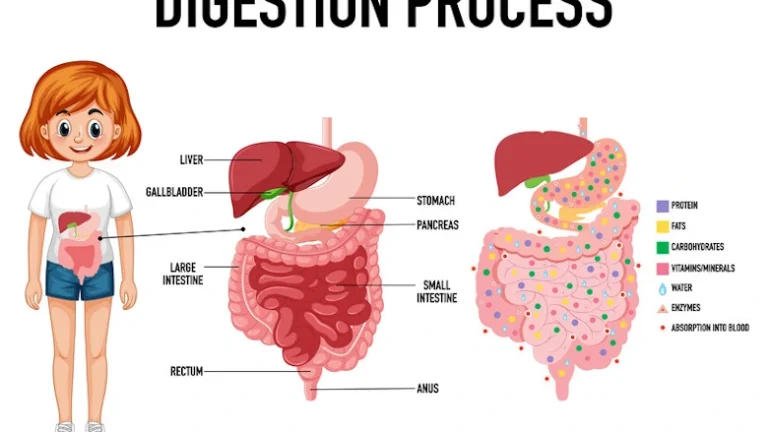
Digestive health is a cornerstone of overall well-being, yet it is often overlooked. The gut, sometimes called the “second brain,” plays a vital role in nutrient absorption, immune function, and even mental health. Understanding how to care for your digestive system can significantly improve your quality of life.
Why Gut Health Matters
1. Nutrient Absorption: A healthy gut ensures that the body absorbs essential nutrients effectively. Poor gut health can lead to deficiencies and related health issues.
2. Immune System Support: Over 70% of the immune system resides in the gut, making it crucial for defending against infections.
3. Mental Health Connection: The gut-brain axis links digestive health to emotional well-being. An imbalanced gut microbiome can contribute to anxiety, depression, and stress.
4. Metabolic Health: A healthy gut supports proper metabolism, helping to manage weight and prevent diseases like diabetes.
Signs of an Unhealthy Gut
• Persistent bloating or gas
• Frequent diarrhea or constipation
• Food intolerances
• Chronic fatigue
• Skin conditions such as acne or eczema
Steps to Improve Gut Health
1. Eat a Balanced Diet
• Focus on fiber-rich foods like fruits, vegetables, and whole grains.
• Include probiotics (yogurt, kefir) and prebiotics (bananas, onions) in your meals.
2. Stay Hydrated
• Adequate water intake aids in digestion and nutrient transport.
3. Reduce Stress
• Practice mindfulness, yoga, or other stress-relief techniques to maintain gut health.
4. Avoid Antibiotic Overuse
• While antibiotics are sometimes necessary, they can disrupt gut bacteria. Take them only when prescribed.
5. Exercise Regularly
• Physical activity promotes a healthy gut microbiome and improves digestion.
6. Get Enough Sleep
• Poor sleep disrupts gut function. Aim for 7-9 hours of quality sleep per night.
Conclusion
Your gut does more than digest food; it influences nearly every aspect of health. By paying attention to your digestive system and making informed lifestyle choices, you can ensure a healthier, happier life. Remember, a healthy gut is a happy gut.
The signs of an unhealthy gut may include bloating, diarrhea, nausea, vomiting, abdominal pain, or cramping in digestion, general weakness, food intolerance, and other systemic features like weakness, anemia, urinary tract infection, cardiovascular disorder, or skin disorders.
Bananas are among the most popular and versatile fruits in the world. They’re not only delicious but also packed with essential nutrients that can improve your overall health. Here’s a closer look at why bananas deserve a place in your daily diet:
Boosts Energy
Bananas are a natural source of carbohydrates and sugars like glucose, fructose, and sucrose. These provide a quick and sustained energy boost, making bananas an ideal snack before or after a workout.
Supports Heart Health
Rich in potassium, bananas play a vital role in regulating blood pressure. Potassium helps balance sodium levels in the body, which reduces strain on the cardiovascular system and promotes a healthy heart.
Aids Digestion
Bananas are high in dietary fiber, which supports healthy digestion by preventing constipation and maintaining bowel regularity. They also contain prebiotics, which nourish the good bacteria in your gut.
Improves Mood
Feeling down? Grab a banana! Bananas contain tryptophan, an amino acid that the body converts into serotonin, a neurotransmitter that boosts mood and reduces stress.
Strengthens Bones
Although bananas don’t contain high levels of calcium, they promote calcium absorption in the body. This helps build and maintain strong bones, reducing the risk of osteoporosis.
Promotes Weight Loss
Low in calories and fat, bananas are a filling snack that can help curb hunger and reduce overeating. Their natural sweetness also makes them a healthier alternative to sugary snacks.
Enhances Skin Health
Bananas are rich in vitamins A, B, and E, which are beneficial for skin health. They can reduce wrinkles, moisturize the skin, and even soothe acne when used in natural face masks.
Supports Eye Health
Vitamin A in bananas contributes to maintaining healthy vision. It protects the cornea and improves night vision, reducing the risk of eye-related disorders.
Boosts Immunity
is banana contains multiple type of vitamins, multiple type of minerals and also contains the substances that boost the immune system further and builds up the natural type of humidity to defend all type of bacteria, viruses and fungus naturally.
A Natural Stress Reliever
Bananas contain magnesium, a mineral that helps relax muscles and calm the mind. Eating bananas can reduce anxiety and promote better sleep.
Conclusion
Bananas are more than just a convenient and tasty snack—they’re a powerhouse of health benefits. Whether you enjoy them as a quick breakfast, a smoothie ingredient, or a post-workout snack, bananas can make a big difference in your overall well-being.
Unmasking the Silent Killer: Exploring the dangers of Smoking and Tobacco Consumption
In today’s fast-paced world, it’s easy to overlook the dangers of smoking and tobacco consumption. But make no mistake – this silent killer is wreaking havoc on individuals and communities worldwide. In this article, we willuncover the dangers of smoking and dive deep into the alarming statistics about tobacco use.
From lung cancer to heart disease, smoking is linked to a variety of life-threatening conditions. But the dangers don’t stop there. Secondhand smoking poses a serious risk to those non-smokersaround smokers, causing respiratory issues and increasing the chances of developing chronic diseases despite they have not smoked a single cigarette. It’s time to reveal the truth and confront the sad reality of tobacco use and smoking.
After acareful research and expert insights, we explore the devastating effects of smoking on both physical and mental health. We reveal the shocking facts and figures behind smoking-related deaths, healthcare costs, and the burden it places on society. For of this article, we have interviewed Dr. Chaitanya Joshi MBBS. You can find a link to their profile at the end of this article.
Join us on this journey as we delve into the dark side of smoking, shed light on the risks, and discuss the importance of quitting. It’s time to raise awareness, break free from addiction, and strive for a smoke-free future.
Health risks associated with smoking
Smoking is a leading cause of a variety of health issues that are very prevalent in this world and affect individuals across the globe. The most notorious effect of smoking is lung cancer, which is primarily caused by the carcinogenic substances found in tobacco smoke. The nicotine found in cigarettes itself is not the culprit for causing cancer, but the other carcinogenic substances found in tobacco and the smoke are. According to the American Cancer Society, approximately 85% of lung cancer cases are attributed to smoking. (Source American Cancer Society) This type of cancer is particularly lethal, with a high mortality rate that underscores the deadly nature of tobacco use. Beyond lung cancer, smokers are also at an increased risk for other types of cancer, including cancers of the mouth, throat, esophagus, bladder, and pancreas. (source Robbins and Cotran pathologic basis of disease.)
The cardiovascular system is another major body system affected by smoking. Tobacco consumption has been linked to an increase in heart disease, stroke, and high blood pressure. Smoking damages the blood vessels, reducing blood flow and leading to atherosclerosis, a condition characterized by the buildup of plaque in the arteries. Smoking the blood vessel leading to increase in blood pressure, which is difficult to reduce unless medication is taken or smoking is stopped. This can result in heart attacks and strokes, which are among the leading causes of death worldwide. The harmful effects of smoking on the heart and blood vessels are so profound that even low levels of smoking can significantly elevate the risk of cardiovascular events. Smoking is now said to be major cause of non-communicable disease, worldwide and different health related organization are campaigning against the use of tobacco and smoking.
Furthermore, smoking also compromises respiratory health in profound ways. Chronic obstructive pulmonary disease (COPD) is a progressive illness that includes emphysema and chronic bronchitis, and it is primarily caused by smoking. Symptoms such as chronic cough, wheezing, and shortness of breath can severely impair quality of life. In addition, smokers are more susceptible to respiratory infections, including pneumonia and tuberculosis, due to weakened lung function and immunity. The cumulative impact of these health risks can lead to a shorter lifespan, making it very urgent for individuals to recognize the dangers associated with smoking and tobacco use.
The harmful effects of secondhand smoke
Secondhand smoke, also known as passive smoke, poses significant risks not only to smokers but also to those around them. It contains over 7,000 chemicals, many of which are toxic and can cause cancer. Children are particularly vulnerable to the dangers of secondhand smoke, as their developing bodies are more susceptible to respiratory ailments and long-term health consequences. Exposure to secondhand smoke has been linked to an increased risk of sudden infant death syndrome (SIDS), asthma attacks, and ear infections in children. This reality underscores the importance of creating smoke-free environments, especially in homes and cars where children are often present. The people who are more vulnerable to smoking are generally infant and children, spouses, friends, family, members, people living in public places, etc.
Adults are not immune to the dangers of secondhand smoke either. Non-smokers who are regularly exposed to passive smoke are at a higher risk of developing heart disease and lung cancer. The Centers for Disease Control and Prevention (CDC) reports that over 41,000 deaths among non-smokers each year are attributed to secondhand smoke exposure. (source: CDC) Furthermore, individuals with pre-existing health conditions, such as asthma or cardiovascular issues, may experience exacerbated symptoms when exposed to secondhand smoke, leading to increased hospital visits and medical costs.
Multiple reports associated and supporting the health risk regarding secondhand and passive smoking are continuously coming into the research field and health articles worldwide
The societal implications of secondhand smoke exposure extend beyond health risks. The economic burden associated with treating diseases caused by passive smoke is significant. This includes healthcare costs for treatment, hospitalizations, and lost productivity due to illness. Communities can benefit greatly from implementing smoke-free policies that protect non-smokers and reduce overall tobacco consumption. By addressing the dangers of secondhand smoke, we can create healthier environments for everyone and help mitigate the widespread consequences of tobacco use.
Smoking and its impact on the environment
The environmental consequences of smoking are often overlooked, yet they are significant and far-reaching. Cigarette butts, which are the most common form of litter worldwide, contribute to pollution and harm wildlife. Made of cellulose acetate, a type of plastic, these butts take years to decompose. When discarded improperly, they leach harmful chemicals into soil and waterways, posing a threat to aquatic life and ecosystems. The sheer volume of cigarette waste produced globally is staggering, with trillions of butts ending up in the environment each year, creating a lasting and damaging impact.
Moreover, the cultivation of tobacco has detrimental effects on the environment as well. Tobacco farming typically involves deforestation, as forests are cleared to make way for plantations. This not only contributes to biodiversity loss but also leads to soil degradation and increased carbon emissions. Additionally, the use of pesticides and fertilizers in tobacco farming can contaminate water supplies and harm surrounding ecosystems. The environmental costs of tobacco production raise important questions about the sustainability of an industry that prioritizes profit over ecological health.
Finally, the act of smoking itself contributes to air pollution. Cigarette smoke releases harmful chemicals into the atmosphere, contributing to poor air quality. This is particularly concerning in urban areas where smoking is prevalent, as it can exacerbate respiratory issues among residents. The implications of smoking extend beyond individual health, affecting public health and the environment as a whole. Recognizing smoking as an environmental issue is crucial in the fight against tobacco consumption, and efforts to promote sustainability must include strategies to reduce tobacco use and its associated harms.
Facts and statistics about smoking and tobacco consumption
The statistics surrounding smoking and tobacco consumption are both alarming and eye-opening. According to the World Health Organization (WHO), tobacco use is responsible for more than 8 million deaths each year, with over 7 million of those deaths resulting from direct tobacco use and approximately 1.2 million from exposure to secondhand smoke. These figures highlight the extensive reach of tobacco-related health issues and the urgent need for effective public health interventions. In addition to mortality, tobacco use contributes to a host of chronic diseases, placing an immense burden on healthcare systems worldwide.
The prevalence of smoking varies significantly across different demographics and regions. While smoking rates have declined in many high-income countries, they remain alarmingly high in low- and middle-income nations. The WHO reports that approximately 1.3 billion people globally are smokers, with the highest rates observed among men. Additionally, youth smoking has become a growing concern, as many individuals begin smoking during their teenage years. Surveys indicate that nearly 90% of adult smokers started before the age of 18, emphasizing the need for targeted prevention efforts aimed at young people.
The economic impact of smoking is equally staggering. In addition to healthcare costs for treating smoking-related diseases, smoking leads to decreased productivity due to illness and premature death. The CDC estimates that smoking costs the United States more than $300 billion each year, encompassing direct medical care for adults and lost productivity. This financial burden extends to families, communities, and governments, underscoring the need for comprehensive tobacco control measures. By understanding the facts and statistics surrounding smoking, we can better advocate for policies and programs that address this public health crisis.
Addiction and withdrawal symptoms of smoking
The addictive nature of smoking is primarily due to nicotine, a psychoactive substance found in tobacco. Nicotine alters brain chemistry, creating a cycle of dependence that makes quitting smoking incredibly challenging. When inhaled, nicotine reaches the brain in seconds, stimulating the release of dopamine, a neurotransmitter associated with pleasure and reward. This immediate gratification reinforces the desire to smoke, leading to repeated use and, ultimately, addiction. As dependence develops, the body becomes accustomed to nicotine, resulting in withdrawal symptoms when an individual attempts to quit.
Withdrawal symptoms can vary in intensity and duration, but they often include irritability, anxiety, difficulty concentrating, increased appetite, and intense cravings for tobacco. These symptoms can be overwhelming, leading many individuals to relapse and continue smoking despite their desire to quit. The psychological component of nicotine addiction can also be significant, as many smokers associate smoking with specific routines, social interactions, or stress relief. This creates a complex interplay between physical dependence and behavioral habits that can make cessation particularly difficult.
Understanding the nature of nicotine addiction is essential for developing effective smoking cessation strategies. Many former smokers report that the first few weeks after quitting are the most challenging due to withdrawal symptoms. However, these symptoms typically peak within a few days to a week and gradually subside over time. Support systems, such as counseling, support groups, and cessation programs, can provide essential assistance during this difficult transition. By addressing both the physical and psychological aspects of addiction, individuals can increase their chances of successfully quitting smoking and reclaiming their health.
Smoking cessation methods and resources
Quitting smoking is a challenging journey, but numerous methods and resources are available to support individuals in their efforts. One of the most common approaches is nicotine replacement therapy (NRT), which includes products such as nicotine gum, patches, lozenges, and inhalers. These products provide a controlled dose of nicotine without the harmful chemicals found in cigarettes, helping to alleviate withdrawal symptoms and cravings. NRT can significantly increase the likelihood of quitting, especially when combined with behavioral support.
In addition to NRT, prescription medications such as bupropion and varenicline have proven effective in helping individuals quit smoking. Bupropion, an antidepressant, can reduce cravings and withdrawal symptoms, while varenicline works by targeting nicotine receptors in the brain to diminish the pleasurable effects of smoking. Consulting with a healthcare provider can help individuals explore medication options that may be suitable for their specific needs and circumstances.
Support groups and counseling services also play a crucial role in smoking cessation. Many organizations offer programs that provide emotional support, guidance, and practical strategies for quitting. These programs often include behavioral therapy, which can help individuals identify triggers, develop coping mechanisms, and create a personalized quit plan. Online resources, hotlines, and mobile applications are increasingly popular tools that offer support and motivation. By leveraging these resources and combining various methods, individuals can enhance their chances of successfully quitting smoking and leading a healthier life.
Tobacco industry and marketing tactics
The tobacco industry has a long history of employing marketing tactics designed to attract and retain customers, often at the expense of public health. From the early days of advertising to modern-day promotional strategies, tobacco companies have consistently found innovative ways to reach potential smokers. One of the most insidious tactics has been targeting vulnerable populations, including youth and low-income individuals, through appealing marketing campaigns. By associating smoking with glamour, success, and rebellion, the industry has perpetuated the allure of tobacco products.
In recent years, the rise of e-cigarettes and vaping has introduced new challenges in tobacco marketing. Many companies market these products as safer alternatives to traditional cigarettes, often downplaying the potential health risks associated with their use. Social media platforms play a significant role in promoting vaping among youth, as influencers and advertisements create a sense of normalization around these products. This has raised concerns among public health advocates who fear that the marketing of e-cigarettes may lead to increased nicotine addiction among young people.
Regulatory measures have been implemented in various countries to combat deceptive marketing practices, but challenges remain. Many individuals are still exposed to misleading information about the safety and benefits of tobacco products. Continued advocacy for stricter regulations and public awareness campaigns is essential to mitigate the impact of tobacco marketing. By exposing the tactics used by the tobacco industry, we can empower individuals to make informed decisions about their health and well-being.
Support and resources for quitting smoking
The journey to quit smoking can be daunting, but a wealth of support and resources is available to help individuals succeed. One of the first steps is to create a personalized quit plan, which can include setting a quit date, identifying triggers, and outlining coping strategies. Many local health departments and organizations provide resources for individuals looking to quit, including brochures, websites, and hotlines that offer guidance and support.
In addition to these resources, support groups can play a vital role in the quitting process. Connecting with others who are on the same journey can provide encouragement, accountability, and shared experiences. Many communities offer support groups or smoking cessation classes, which can be found through healthcare providers or local health organizations. Online forums and social media groups also provide platforms for individuals to share their challenges and successes, fostering a sense of community and solidarity.
Moreover, mobile applications designed for smoking cessation can help individuals track their progress, set goals, and receive motivational messages. These apps often include educational resources, tips for managing cravings, and reminders of the health benefits of quitting. By utilizing a combination of support systems, resources, and technology, individuals can take significant strides toward a smoke-free life. The path to quitting may be challenging, but the support available can make all the difference in achieving lasting success.
Conclusion
The perils of smoking and tobacco consumption are profound and undeniable. From the serious health risks associated with smoking to the environmental damage caused by tobacco waste, the need for awareness and action is more pressing than ever. By understanding the dangers of smoking and the statistics that underscore its impact, we can better advocate for change and support those who seek to quit.
It is crucial for individuals, communities, and governments to come together to combat the tobacco epidemic. This includes implementing and enforcing comprehensive smoke-free policies, supporting education and prevention programs, and providing resources for smoking cessation. Public health campaigns can help to debunk myths surrounding tobacco use and emphasize the benefits of a smoke-free lifestyle.
As we continue to unmask the silent killer that is smoking, it is essential to encourage those around us to take action. Whether it’s seeking support for quitting, advocating for smoke-free spaces, or educating others about the risks of tobacco, every effort counts. Together, we can strive for a healthier, smoke-free future for ourselves and generations to come. Let’s break the cycle of addiction and work towards a world where the dangers of tobacco are no longer tolerated.