

mecee mdms result pdf downlod entrance result pdf free
Leave a reply

Here are 10 multiple-choice questions (MCQs) with answers and explanations for the Nepal Nursing Council (NNC) License Examination:
a) 8-10 g/dL
b) 10-12 g/dL
c) 12-16 g/dL
d) 16-18 g/dL
Answer: c) 12-16 g/dL
Explanation: The normal hemoglobin level for an adult female is 12-16 g/dL. Levels below this indicate anemia, while higher levels may be seen in conditions like polycythemia.
a) Hypertension
b) Hypotension
c) Tachycardia
d) Hyperkalemia
Answer: b) Hypotension
Explanation: Spinal anesthesia can cause vasodilation and pooling of blood in the lower extremities, leading to hypotension due to decreased venous return to the heart.
a) Airborne droplets
b) Contaminated food and water
c) Blood and body fluids
d) Fecal-oral route
Answer: c) Blood and body fluids
Explanation: Hepatitis B is transmitted through contact with infected blood, semen, vaginal fluids, or other body fluids. Healthcare workers are at higher risk due to needle-stick injuries.
a) Vitamin A
b) Vitamin B1
c) Vitamin C
d) Vitamin D
Answer: a) Vitamin A
Explanation: Vitamin A is essential for maintaining healthy vision. Its deficiency leads to night blindness (nyctalopia) and, in severe cases, complete blindness.
a) Hydrochlorothiazide
b) Spironolactone
c) Furosemide
d) Mannitol
Answer: c) Furosemide
Explanation: Furosemide is a loop diuretic that works on the loop of Henle in the kidney to inhibit sodium and water reabsorption, leading to increased urine output.
a) Supine
b) High Fowler’s
c) Prone
d) Trendelenburg
Answer: b) High Fowler’s
Explanation: High Fowler’s position (sitting upright at 90 degrees) helps patients with COPD by allowing better lung expansion and improving oxygenation.
a) Increase blood glucose levels
b) Stimulate glycogenolysis
c) Transport glucose into cells
d) Inhibit protein synthesis
Answer: c) Transport glucose into cells
Explanation: Insulin is a hormone produced by the pancreas that facilitates the uptake of glucose into cells, helping to lower blood sugar levels.
a) Hypertension
b) Decreased skin turgor
c) Bradycardia
d) Increased urine output
Answer: b) Decreased skin turgor
Explanation: Decreased skin turgor (poor skin elasticity) is a classic sign of dehydration. Other symptoms include dry mucous membranes, tachycardia, and low urine output.
a) 8-12 breaths per minute
b) 12-20 breaths per minute
c) 20-28 breaths per minute
d) 28-36 breaths per minute
Answer: b) 12-20 breaths per minute
Explanation: The normal respiratory rate for a healthy adult is 12-20 breaths per minute. A rate below 12 may indicate respiratory depression, while above 20 suggests distress.
a) Planning, Diagnosis, Assessment, Implementation, Evaluation
b) Assessment, Diagnosis, Planning, Implementation, Evaluation
c) Implementation, Diagnosis, Planning, Assessment, Evaluation
d) Assessment, Planning, Diagnosis, Evaluation, Implementation
Answer: b) Assessment, Diagnosis, Planning, Implementation, Evaluation
Explanation: The nursing process follows five steps:
1. Assessment – Collecting patient data
2. Diagnosis – Identifying health problems
3. Planning – Setting goals and outcomes
4. Implementation – Carrying out interventions
5. Evaluation – Checking the effectiveness of interventions
These questions are designed to cover key nursing topics that may appear on the NNC License Examination. Let me know if you need more questions or modifications!
To pass the NMCLE, it is essential to focus on a comprehensive study of the MBBS curriculum and follow strategic steps to prepare effectively. This includes utilizing practice questions, joining preparatory courses, understanding the exam format, managing time during the exam, and regularly self-assessing your knowledge. It’s also important to ensure that you have completed your internship before attempting the exam, as it is a prerequisite for eligibility.
By following these strategies and staying disciplined, you can enhance your chances of success in the NMCLE.
To be eligible to sit for the NMCLE, you must meet the following requirements:
Complete your internship: You must have completed your mandatory internship before attempting the exam.
Register with the Nepal Medical Council (NMC): You need to register with the NMC to be able to take the exam. Ensure that all necessary documentation and prerequisites are completed before registration.
Effective preparation for the NMCLE involves a combination of strategies:
Thoroughly review the MBBS syllabus, focusing on key subjects such as anatomy, physiology, surgery, and more.
Practice with NMCLE-specific questions to identify strengths and weaknesses.
Join preparatory courses for structured study and expert guidance.
Understand the exam format and practice time management to ensure you can complete all questions within the given time.
Regularly assess your knowledge and focus on areas where you need improvement.
Stay updated on recent medical guidelines and maintain a healthy lifestyle to optimize performance during your preparation.
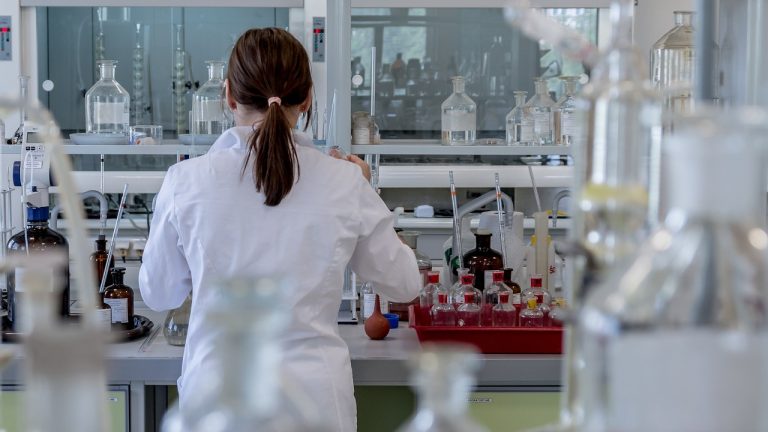
Medical laboratory technicians (MLTs) play a critical role in the healthcare system by performing diagnostic tests on patient samples to help doctors diagnose and treat various medical conditions. To ensure the quality and accuracy of their work, MLTs typically need to obtain certifications or licenses, which are required in most countries. These certifications serve as a guarantee of competency and professionalism in the field, ensuring that technicians are well-trained and knowledgeable in medical laboratory procedures.
To become a medical laboratory technician, individuals typically need to complete a diploma, bachelor’s degree (BSc), or master’s degree (MSc) in Medical Laboratory Technology (MLT). The specific level of education can vary depending on the country and the role a technician aims to pursue. For example:
In many countries, certification or licensure is required for medical laboratory technicians to practice legally and ethically in the field. Certification is often awarded by professional organizations after meeting educational requirements and passing a certification exam. Here are some prominent certification bodies:
In addition to educational qualifications, most certification programs require applicants to complete a certain amount of clinical experience. This hands-on training allows MLTs to apply their theoretical knowledge in real-world laboratory settings, working under the supervision of experienced professionals. Clinical internships or practicums are integral parts of MLT training programs, providing students with the opportunity to develop essential skills such as specimen collection, analysis, and reporting.
To maintain certification, many professional organizations, including ASCP and CSMLS, require MLTs to participate in continuing education (CE) activities. These activities may involve attending workshops, seminars, or online courses that cover new technologies, laboratory techniques, and regulatory changes. Continuing education helps technicians stay current with advancements in the field and ensures their skills remain sharp throughout their careers.
The specific certification and licensure requirements can vary by country, region, and even state or province. It’s essential for aspiring medical laboratory technicians to research the requirements in the country or region where they wish to practice. For instance, some countries may require national licensing exams, while others may have region-specific certifications.
In summary, becoming a certified medical laboratory technician typically involves completing an accredited educational program (diploma, BSc, or MSc in MLT), gaining clinical experience, and passing a certification exam from recognized professional organizations such as ASCP or CSMLS. Additionally, ongoing continuing education is often required to maintain certification. It’s important for prospective MLTs to ensure they meet all the necessary requirements for their specific country or region to practice legally and ethically in the field.
By fulfilling these requirements, medical laboratory technicians ensure they provide accurate, reliable, and high-quality laboratory services, contributing to the overall effectiveness of patient care and treatment.
To become a medical laboratory technician, individuals typically need to complete a diploma, bachelor’s degree (BSc), or master’s degree (MSc) in Medical Laboratory Technology (MLT). The level of education depends on the career goals of the individual. A diploma provides basic skills, while a bachelor’s degree offers more in-depth training. A master’s degree allows for specialization in areas such as hematology, blood transfusion, biochemistry, or microbiology.
Yes, in most countries, medical laboratory technicians are required to obtain certification or licensure to practice legally. Certification is typically awarded by professional organizations like the American Society for Clinical Pathology (ASCP) in the U.S. or the Canadian Society for Medical Laboratory Science (CSMLS) in Canada. To qualify for certification, candidates must complete an accredited MLT program, gain clinical experience, and pass a certification exam. Continuing education may also be required to maintain certification.

Perfusion technology focuses on the role of perfusionists, who temporarily replace the functions of the heart and lungs during major surgeries. These specialized professionals use advanced technology to maintain vital organ functions when the heart and lungs are temporarily stopped during surgery.
The Bachelor of Perfusion Technology (BPerf) is an undergraduate program that equips students with the knowledge and skills required to assist or replace the heart and lung functions in critical surgeries. It covers key areas such as anatomy, biology, and the technology needed to operate heart-lung machines, which are crucial for life-saving surgeries.
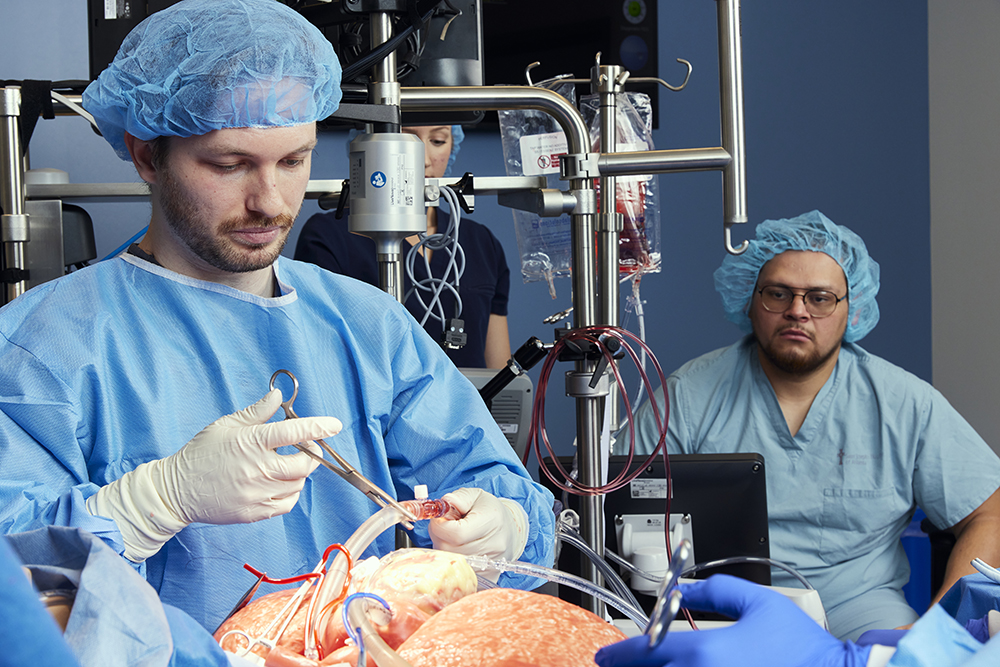
Perfusionists are integral to surgeries involving the heart and lungs, as they ensure the patient remains stable by using heart-lung machines during operations, which are often complex and high-risk.
Introduced in 2075/76 by Tribhuvan University, the BPerf course in Nepal is a relatively new addition to the medical education system. Students can pursue this program at institutions like Maharajgunj Medical Campus (TU-affiliated) and BP Koirala Institute of Health Sciences (BPKIHS), which offer the BPerf course.
As medical technology evolves, particularly in cardiovascular surgeries, perfusionists work alongside other healthcare professionals to perform critical operations. The BPerf program plays an essential role in advancing medical science in Nepal, ensuring that perfusion pressure supports blood flow during major surgeries.
The BPerf course is a four-year undergraduate program. Students must pass an entrance exam, conducted as part of the Medical Education Common Entrance Exam, to qualify for admission. Only 5 seats are available, with a limited number of scholarships based on academic merit.
This program blends medical science knowledge with practical skills in operating perfusion technology, particularly focusing on the heart and lungs.
The BPerf course is designed to teach students how to operate heart-lung machines during surgeries. It provides both theoretical and practical knowledge related to cardiovascular and respiratory systems.
Some key topics covered include:
Upon completion, students will be trained to assist in perfusion during surgeries and will be equipped with the knowledge and skills needed for a career in the field.
The primary goal of the BPerf course is to train competent perfusionists who can effectively support the medical field. Specific objectives include:
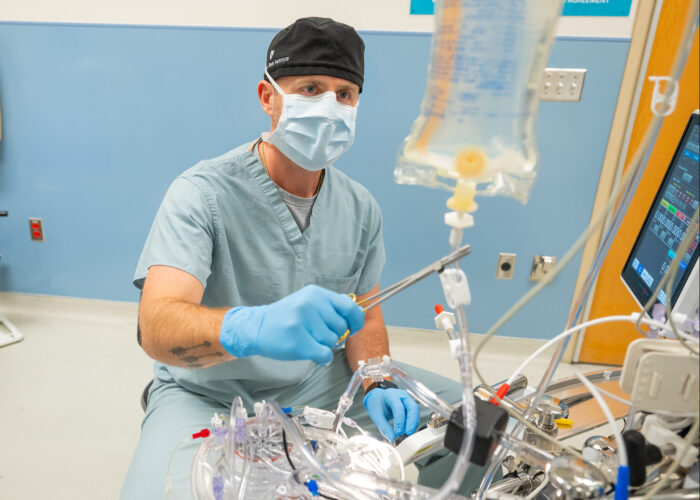
To be eligible for the BPerf course, applicants must:
Applicants must take an entrance exam conducted by the respective institution, and those who meet the criteria can submit the necessary documents to proceed with the admission process.
Thyroid hormones, World Thyroid day 2023
Required documents include:
The BPerf course is designed to produce specialized perfusion technologists. Graduates can pursue careers in various areas of perfusion, including:
Additionally, BPerf graduates can work as educators, trainers, and researchers in the field of perfusion technology.
The estimated cost for the BPerf course in Nepal ranges from NPR 6,00,000 to NPR 8,00,000. BP Koirala Institute of Health Sciences offers the program at Rs 770,000. Students should contact the institution for the most accurate and updated fee structure.
As a new and challenging field in Nepal, the BPerf course has limited seats. A total of 5 seats are available, with 3 designated for scholarships. Of these, 55% are allocated for the general category, and 45% are reserved for the quota category.
Scholarships are awarded based on merit, including academic performance and entrance exam scores.
8 Vitamins that men with weak erections should take
The Bachelor of Perfusion Technology course is vital for the development of perfusionists in Nepal. It provides a blend of medical knowledge and practical expertise in operating life-saving heart-lung machines during surgeries, contributing significantly to the healthcare sector. With limited seats and a competitive entrance process, students interested in this field must meet the eligibility requirements and succeed in the entrance examination.
The Bachelor of Perfusion Technology (BPerf) is a four-year undergraduate program that teaches students how to operate heart-lung machines during major surgeries, particularly when the heart and lungs are temporarily stopped. The course covers subjects like human anatomy, physiology, biochemistry, and pharmacology, focusing on cardiovascular and respiratory systems. Graduates of the program will be trained to assist surgical teams by maintaining blood circulation and organ function during complex surgeries, ensuring patient stability.
To be eligible for the BPerf course in Nepal, applicants must have completed intermediate education (or equivalent) in the science stream, including Physics, Chemistry, and Biology, with at least 50% aggregate marks (or 2.4 CGPA or C+ grade). They must also pass the entrance exam with a minimum of 50% of the total marks. Admission requires submitting documents such as a mark sheet, transcript, citizenship copy, and entrance exam admit card. The program has a limited number of seats, with scholarships available based on merit and exam scores.
Here are some sample questions for a Certificate Level in Medical Laboratory Technician (CMLT) license examination. These cover a variety of topics typically tested at the certificate level:


