Monthly Archives: June 2026

navigation CJ

Lost Without GPS — Or Lost Because of It?

The people who still navigate by feel and memory aren’t being stubborn. They’re preserving a relationship with the physical world that the rest of us quietly outsourced — and only now are we beginning to understand the cost.

Introduction

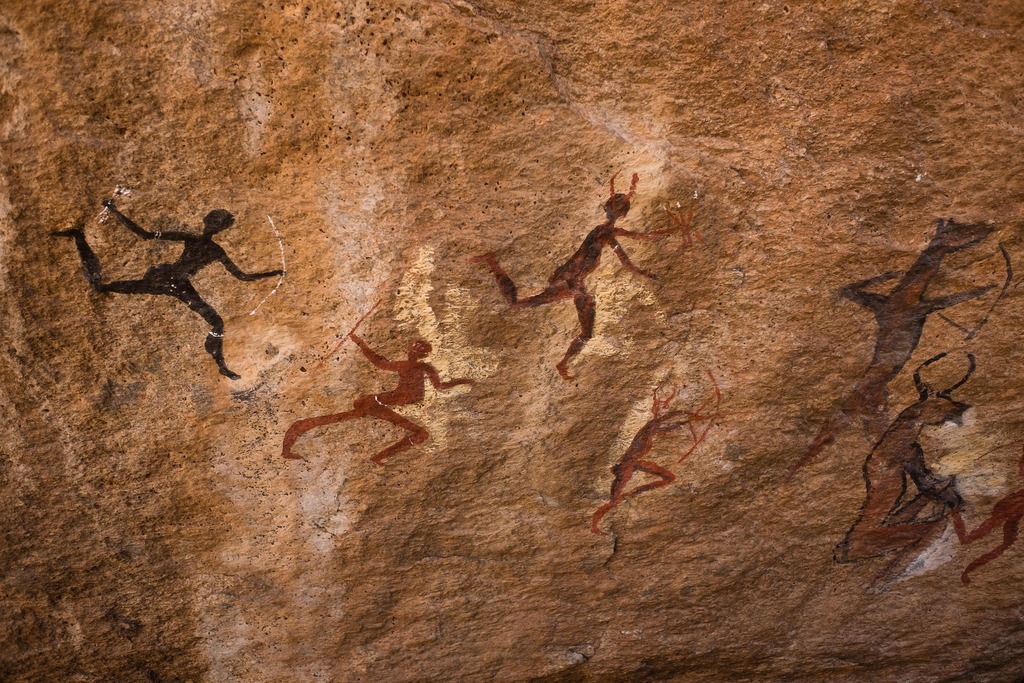
You probably know someone like this. Ask them for directions, and they don’t reach for their phone. Instead they look briefly into the middle distance and begin: turn left out of the car park, follow the road until you pass the old brewery, keep the river on your right… They describe the world in landmarks, relationships, textures. The route lives inside them. To anyone born after 1990, watching this performance feels vaguely archaeological — like watching someone whittle a tool from flint.


The temptation is to read it as stubbornness. These are the holdouts, the refuseniks, the people who also probably still check the paper for TV listings. But psychology and neuroscience increasingly suggest that this framing is exactly backwards. The adults who still navigate by memory are not the ones who failed to adapt. They are the ones who, without necessarily meaning to, kept something the rest of us gave away — and the giving away, it turns out, cost more than we understood at the time.

What the brain was doing before we had a blue dot

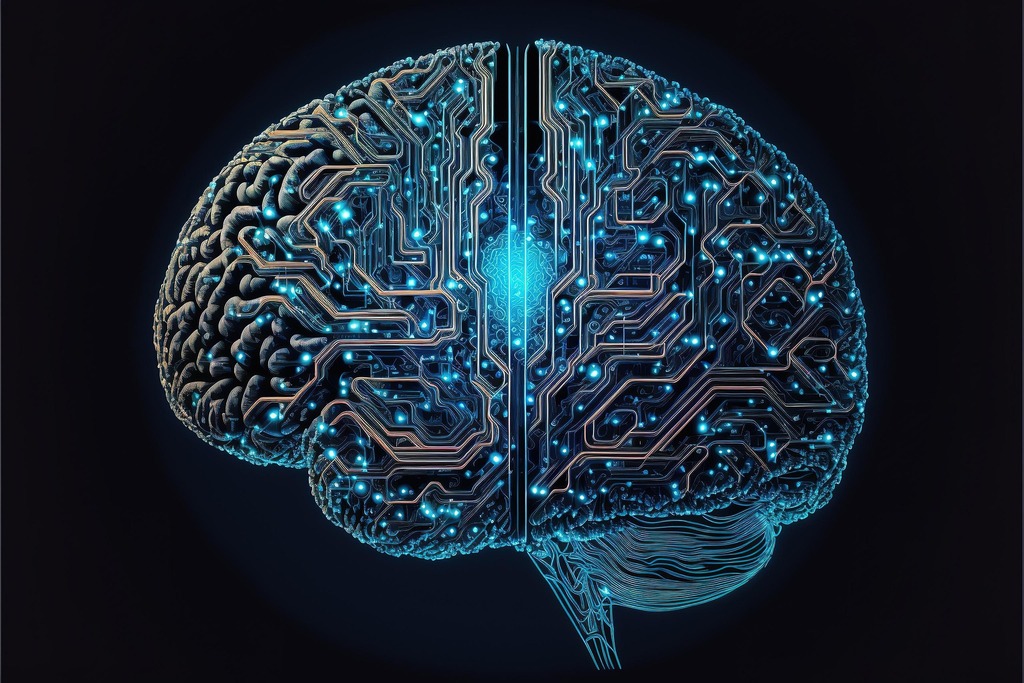
When you navigate without assistance, your brain is not simply “remembering a route.” It is constructing and continuously updating what neuroscientists call a cognitive map — a relational model of your environment, built in the hippocampus, that allows you to know where you are relative to everywhere else you’ve been. It’s the mental architecture that lets you take a shortcut you’ve never consciously walked, or recover from a missed turn without dissolving into panic. Research published in Scientific Reports has confirmed that this strategy depends critically on the hippocampus, the same region deeply involved in episodic memory and our sense of personal history.

The map is not given to you. It is earned, slowly, through use. Every walk through a new neighbourhood without looking at your phone is a small act of hippocampal construction. Over years, the result is an intimate, structural knowledge of a place — the kind that older Londoners, New Yorkers, or Mumbaikars describe when they say they “know” their city. Not a list of addresses. A felt sense of how everything relates.

Navigating without assistance is not a minor quirk of habit. It is an act of cognitive maintenance — one that keeps an entire architectural system of the brain actively in use.

The trade we made, and what it did to the brain

Here is the uncomfortable part. The brain does not only have one navigation system. Alongside the hippocampal cognitive-map strategy, there is a second system, centred on the caudate nucleus, that operates through sequential motor instructions. Turn left here. In 200 metres, turn right. This system does not build a map. It does not need to know where it is. It only needs to know what to do next.

GPS, structurally, is a perfect match for the caudate system. And the brain, being ruthlessly efficient, will defer to the simpler system whenever it is available. The cumulative effect of years of GPS use, researchers found, is a measurable shift away from hippocampal navigation and toward this more passive, reactive mode. Worse, the shift is not neutral: people who used GPS more heavily over time showed steeper declines in hippocampal-dependent spatial memory. Not because they were worse at navigation to begin with, but because they had stopped asking their hippocampus to do the work.

A longitudinal study published in Scientific Reports found that greater GPS reliance over time was specifically associated with decline in hippocampal spatial memory — not merely correlated with pre-existing poor navigation ability. The decline followed the behaviour, not the other way around.

A longitudinal study published in Scientific Reports

This is the quiet exchange at the heart of the GPS era. We did not simply gain a more reliable way to find parking. We also, gradually and without realising it, stopped exercising a cognitive system that was doing considerably more than helping us get around. The hippocampus’s work is not limited to navigation — it underpins episodic memory, contextual learning, and a broader sense of spatial orientation in the world. When we stopped asking it to build maps, we stopped sharpening something that matters in ways navigation alone does not capture.

What the holdouts actually have

Return, then, to the person describing the route by the river and the brewery. They are not simply demonstrating an old skill. They are demonstrating an active cognitive infrastructure — one that is, in most of us, now fallow.

They know the spatial relationship between places they have never directly walked between. They carry the city’s geometry in their nervous system. When a road is closed, they reroute mentally, without recalculating. They can locate themselves after emerging from an underground station because they have, in their head, a running model of where they are in relation to everything else. These are not party tricks. They are the outputs of a cognitive map that has been continuously used and maintained.

The broader consequence of that maintenance is harder to name but easy to recognise. These people tend to feel located in a way that the rest of us, moving through cities with blue dots on glass, often do not. There is a groundedness that comes from genuinely knowing where you are — not being told, not following, but knowing. The loss of that is diffuse and private. Most people who have lost it do not know it is gone, because it was never the kind of thing the culture was tracking.

Most people who have lost their cognitive map do not know it is gone — because it was never the kind of thing the culture was tracking in the first place.

Can it be recovered?

The honest answer is: probably, with effort, in part. The hippocampus retains the capacity for spatial learning throughout adult life. The cognitive map is not permanently erased by years of GPS use — it is simply unexercised. The exercising can, in principle, resume. Navigating without assistance in familiar environments, deliberately and repeatedly, begins to rebuild it.

The difficulty is entirely practical. The phone is already in hand. The GPS is one tap away. The friction of choosing not to use it is exactly the kind of small daily friction that modern life has been redesigned, at every level, to eliminate. The GPS exists precisely because getting lost is unpleasant, expensive, and increasingly unacceptable in a world where arrival times are tracked and lateness is noticed. To choose, in that world, to navigate by feel is not simply a minor lifestyle preference. It is a decision to add deliberate friction to a frictionless system — and that is genuinely hard to sustain.
A more realistic approach for most people may be selective disengagement: putting the phone away on familiar routes, walking new neighbourhoods without GPS, choosing occasionally to get slightly lost as a form of maintenance rather than failure. Not an ideology. A workout.

The real cost of the deal we made

The GPS is not going away, and the case here is not that it should. The navigational gains are real. Billions of hours of collective lostness have been recovered. The technology works, and the technology is useful, and none of that is in question.

What is in question is whether the rest of the deal was understood when it was made. The cognitive map that the hippocampus builds through unassisted navigation was not only a navigation tool. It was a way of being in relationship with the physical world — of knowing, rather than following; of orienting, rather than obeying. The people who still navigate by memory kept that relationship without, in most cases, deciding to. They simply never outsourced it.

They are not stubborn. They are not behind. They are, in a quiet and structural way, still in possession of something that the rest of us traded away for a blue dot — and they are probably, as they feel the river to their right and the cathedral somewhere to the south, more located in the world than we are.

Whether the rest of us can get back to something like that is an open question. But acknowledging that the trade was made, and that it cost something real, seems like a reasonable place to start.

Based on research reported by Space Daily, May 2026  ·  Written with reference to Scientific Reports longitudinal spatial memory studies

Genetic Drift vs Genetic Shift (Antigenic Drift vs Antigenic Shift)

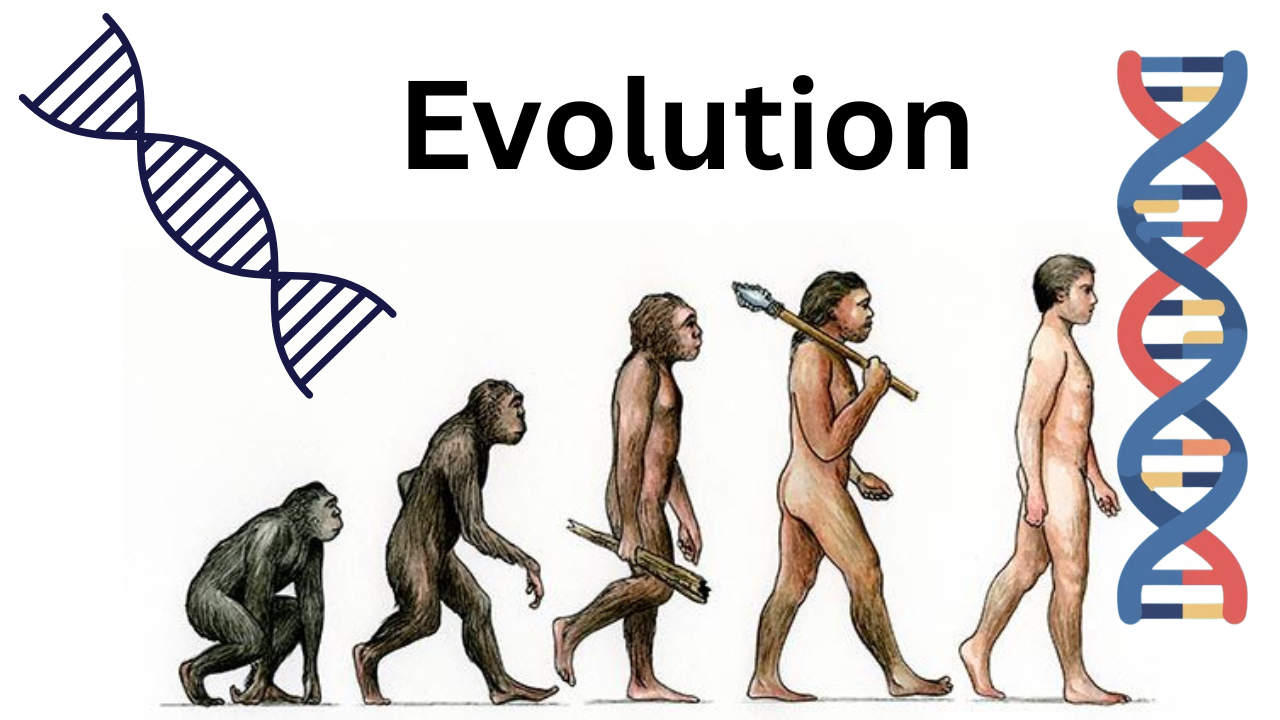
Introduction of Evolution

Evolution is the biological process by which populations of organisms change over generations through variations in inherited traits. These changes occur due to mechanisms such as mutation, natural selection, genetic drift, and gene flow. Over long periods of time, evolution leads to the development of new species and the diversification of life on Earth.

A simple example is the peppered moth, where darker moths became more common during the industrial revolution due to better camouflage in polluted environments. Another example is the Darwin’s finches, where different species evolved from a common ancestor and developed varied beak shapes to adapt to different food sources.

Evolution explains both small changes within species (microevolution, such as antibiotic resistance in bacteria) and large-scale changes that result in new species (macroevolution, such as the evolution of horses and humans).

Genetic Drift

Genetic drift is a random change in the frequency of alleles (gene variants) in a population over generations, especially due to chance events rather than natural selection.

It occurs mostly in small populations, where random events can strongly affect which genes are passed on.

Key points:

  • It is random, not adaptive
  • Strong effect in small populations
  • Can lead to loss of genetic variation
  • May cause fixation or disappearance of alleles

Examples:

  • Bottleneck effect: After a disaster (e.g., earthquake, epidemic), only a few individuals survive and reproduce, reducing genetic diversity.
  • Founder effect: A small group separates and forms a new population with limited genetic variation (e.g., isolated island populations).

Genetic Shift (Antigenic Shift)

Genetic shift is a sudden, major change in the genetic makeup of a virus due to the reassortment of gene segments from different viral strains.

It is mainly seen in Influenza A virus because it has a segmented RNA genome and can infect multiple species (birds, pigs, humans).

Key points:

  • It is sudden and major change
  • Occurs due to reassortment of RNA segments
  • Seen only in Influenza A
  • Leads to new viral subtypes
  • Can cause pandemics

Examples:

  • 1957 Asian Flu Pandemic
  • 1968 Hong Kong Flu Pandemic
  • 2009 H1N1 Influenza Pandemic

Simple Difference

  • Genetic drift → random changes in allele frequency in populations (evolutionary biology)
  • Genetic shift → sudden genetic change in influenza viruses (virology, epidemiology)

Classic, High-yield Examples of Evolution

Here are classic, high-yield examples of evolution (good for exams and conceptual clarity):

1. Peppered moth (Industrial melanism)

  • In pre-industrial England: light-colored moths were common.
  • After industrial pollution: dark-colored moths increased (camouflage on soot-covered trees).
  • After pollution control: light forms increased again.
    ➡️ Example of natural selection in real time

2. Darwin’s finches (Galápagos Islands)

  • Different finch species evolved from a common ancestor.
  • Beak shapes changed based on food type (seeds, insects, cactus).
    ➡️ Example of adaptive radiation

3. Antibiotic resistance in bacteria

  • Bacteria like Staphylococcus aureus become resistant to antibiotics (e.g., MRSA).
  • Due to selection of resistant mutants.
    ➡️ Example of rapid evolution under selection pressure

4. Darwin’s finches in modern studies (Beak size change)

  • Beak size changed within a few generations during droughts.
    ➡️ Example of microevolution observed directly

5. Industrial insects (DDT resistance in mosquitoes)

  • Mosquitoes evolved resistance to DDT after widespread use.
    ➡️ Example of human-driven selection

6. Horse evolution (fossil record)

  • From small multi-toed ancestor (Eohippus) → modern single-toed horse (Equus).
    ➡️ Example of gradual evolution over millions of years

7. Human evolution

  • From early hominins (Australopithecus) → Homo habilis → Homo erectus → Homo sapiens.
    ➡️ Example of macroevolution

8. Lenski’s E. coli experiment

  • Long-term lab evolution showing new metabolic abilities evolving in bacteria over generations.
    ➡️ Direct experimental proof of evolution

Quick Exam Tip

  • Microevolution: antibiotic resistance, moths
  • Macroevolution: horse, human evolution
  • Adaptive radiation: Darwin’s finches
FeatureAntigenic DriftAntigenic Shift
DefinitionMinor, gradual changes in viral antigens due to point mutationsMajor, abrupt change in viral antigens due to reassortment of gene segments
MechanismAccumulation of mutations in HA and/or NA genesExchange of gene segments between different influenza viruses
Magnitude of changeSmallLarge
FrequencyContinuous, occurs every yearRare, occurs at irregular intervals
Virus affectedInfluenza A and BInfluenza A only
Population immunityPartial immunity usually remainsLittle or no pre-existing immunity
Epidemic/PandemicCauses seasonal epidemicsCauses pandemics
Genetic basisPoint mutations (genetic drift)Reassortment (genetic shift)
ExamplesAnnual influenza outbreaks2009 H1N1 Influenza Pandemic, 1968 Hong Kong Flu Pandemic, 1957 Asian Flu Pandemic
Vaccine implicationRequires annual vaccine updatesMay require development of a new vaccine

Easy Memory Trick

DRIFT = Daily/Regular small changes

  • D = Diminutive (small)
  • R = Regular
  • I = Influenza A & B
  • F = Frequent
  • T = Tiny mutations

SHIFT = Sudden Huge Influenza Transformation

  • S = Sudden
  • H = Huge change
  • I = Influenza A only
  • F = Few times (rare)
  • T = Pandemic Threat

High-Yield Exam Point

Antigenic drift occurs in both Influenza A and B, whereas antigenic shift occurs only in Influenza A because Influenza A infects multiple species (humans, birds, pigs), allowing reassortment of segmented RNA genomes.

What is the main difference between genetic drift and natural selection?

Genetic drift is a random change in allele frequencies that occurs due to chance events, especially in small populations. It does not depend on whether a trait is beneficial or harmful.
In contrast, natural selection is a non-random process where individuals with advantageous traits survive and reproduce more, leading to adaptation over time.

Why does antigenic shift only occur in Influenza A virus?

Antigenic shift occurs only in Influenza A because it has a segmented RNA genome and can infect multiple species (humans, birds, pigs). This allows reassortment of gene segments when two different strains infect the same cell.
Influenza B generally infects only humans and lacks the same level of genetic mixing, so antigenic shift does not occur.

MCQs on Antigenic Shift Vs Antigenic Drift

1. Genetic drift is best described as:

A. Directional change due to natural selection
B. Random change in allele frequency
C. Gene flow between populations
D. Formation of new species by hybridization

Answer: B. Random change in allele frequency


2. Genetic drift has the strongest effect in:

A. Large populations
B. Small populations
C. Populations under strong selection
D. All populations equally

Answer: B. Small populations


3. Antigenic shift occurs due to:

A. Point mutation
B. Natural selection
C. Reassortment of gene segments
D. Gene duplication

Answer: C. Reassortment of gene segments


4. Antigenic shift is seen mainly in:

A. Influenza B only
B. Influenza A only
C. Both Influenza A and B
D. All RNA viruses

Answer: B. Influenza A only


5. Which of the following is an example of genetic drift?

A. Antibiotic resistance in bacteria
B. Peppered moth evolution
C. Founder effect in island populations
D. Darwin’s finches beak adaptation

Answer: C. Founder effect in island populations

Vomiting in Neonates (NICU): Comprehensive Differential Diagnosis

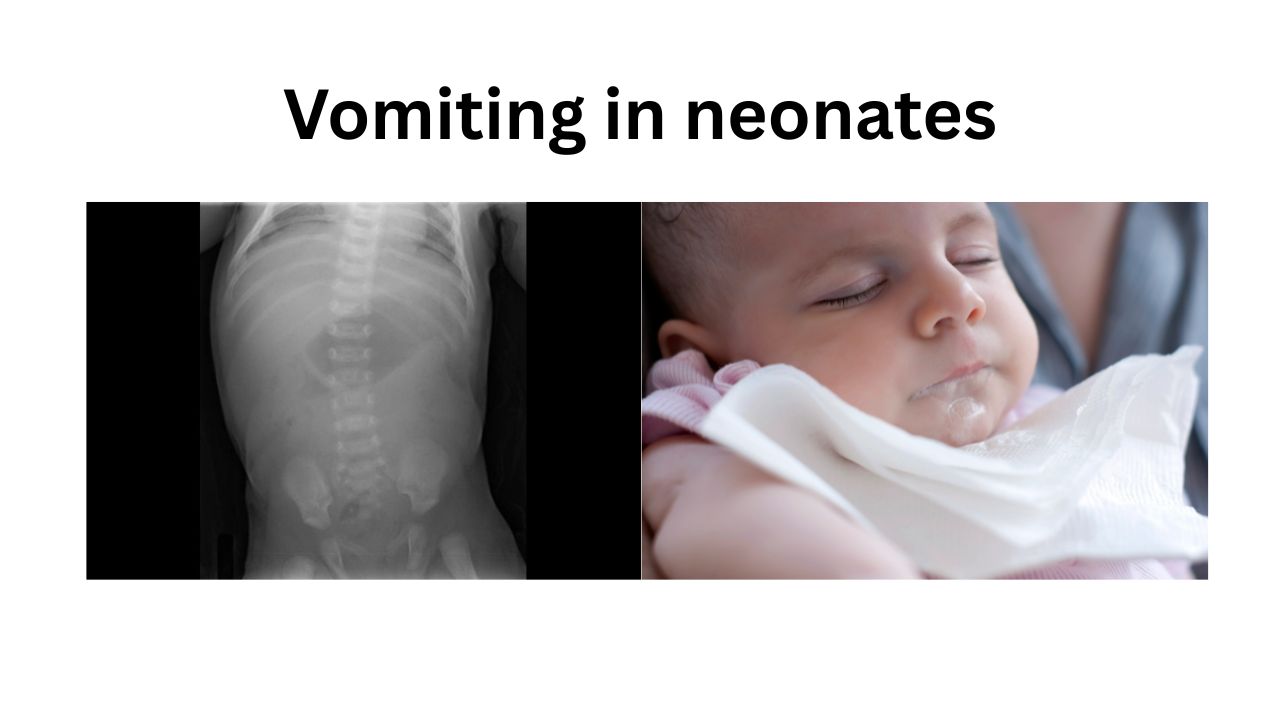
In neonates, vomiting may range from benign physiological regurgitation to a surgical emergency. A systematic approach is essential.


1. Gastrointestinal Causes

A. Physiological / Functional

  • Physiological gastroesophageal reflux (GER)
  • Overfeeding
  • Improper feeding technique
  • Aerophagia (swallowed air)
  • Delayed gastric emptying in preterm infants

B. Gastrointestinal Obstruction

High Intestinal Obstruction

Bilious vomiting is a surgical emergency until proven otherwise.

Esophageal

  • Esophageal atresia ± tracheoesophageal fistula
  • Esophageal stricture
  • Congenital esophageal stenosis

Gastric

  • Pyloric stenosis (typically 2–8 weeks)
  • Gastric volvulus
  • Gastric outlet obstruction
  • Antral web

Duodenal

  • Duodenal atresia
  • Duodenal stenosis
  • Annular pancreas
  • Malrotation with midgut volvulus
  • Ladd bands

Jejunal/Ileal

  • Jejunal atresia
  • Ileal atresia
  • Meconium ileus
  • Meconium plug syndrome
  • Small left colon syndrome

Colonic

  • Hirschsprung disease
  • Colonic atresia
  • Anorectal malformations

C. Inflammatory/Infectious GI Disease

Necrotizing Enterocolitis (NEC)

Common NICU cause:

  • Vomiting
  • Feed intolerance
  • Abdominal distension
  • Bloody stools

Spontaneous Intestinal Perforation

Enterocolitis

  • Bacterial
  • Viral
  • Fungal

2. Infectious Causes

Any neonatal sepsis can present with vomiting.

Systemic Sepsis

  • Early-onset sepsis
  • Late-onset sepsis

Common organisms:

  • Group B Streptococcus
  • Escherichia coli
  • Listeria monocytogenes
  • Klebsiella
  • Enterobacter
  • Staphylococcus aureus
  • CoNS
  • Candida

CNS Infections

  • Meningitis
  • Encephalitis
  • Brain abscess (rare)

Urinary Tract Infection

A very important cause of unexplained vomiting.


3. Metabolic and Endocrine Causes

Inborn Errors of Metabolism (IEM)

Consider especially when vomiting is associated with:

  • Lethargy
  • Acidosis
  • Hyperammonemia
  • Hypoglycemia

Disorders

Amino Acid Disorders

  • Maple syrup urine disease
  • Phenylketonuria
  • Homocystinuria

Organic Acidemias

  • Propionic acidemia
  • Methylmalonic acidemia
  • Isovaleric acidemia

Urea Cycle Disorders

  • OTC deficiency
  • CPS deficiency

Fatty Acid Oxidation Disorders

  • MCAD deficiency
  • VLCAD deficiency

Carbohydrate Disorders

  • Galactosemia
  • Hereditary fructose intolerance

Electrolyte Disorders

  • Hyponatremia
  • Hypernatremia
  • Hypokalemia
  • Hyperkalemia
  • Hypocalcemia
  • Hypercalcemia
  • Hypomagnesemia

Glucose Disorders

  • Hypoglycemia
  • Hyperglycemia

Endocrine Disorders

Congenital Adrenal Hyperplasia (salt-wasting)

  • Vomiting
  • Dehydration
  • Shock

Adrenal insufficiency

Congenital hypothyroidism

Hyperthyroidism (rare)


4. Neurological Causes

Raised intracranial pressure can cause vomiting.

Intracranial Hemorrhage

  • Germinal matrix hemorrhage
  • Intraventricular hemorrhage
  • Subdural hemorrhage

Hydrocephalus

  • Congenital
  • Post-hemorrhagic

Hypoxic-Ischemic Encephalopathy


CNS Malformations

  • Dandy-Walker malformation
  • Arnold-Chiari malformation

Seizures

May manifest as feed intolerance and vomiting.


5. Respiratory Causes

Severe respiratory distress

  • Respiratory distress syndrome
  • Pneumonia
  • PPHN
  • Congenital heart disease with heart failure

Mechanism:

  • Increased swallowed air
  • Gut hypoperfusion

6. Cardiac Causes

Congenital Heart Disease

Particularly:

  • Duct-dependent lesions
  • Heart failure states

Examples:

  • Coarctation of aorta
  • Hypoplastic left heart syndrome
  • Interrupted aortic arch

Congestive Cardiac Failure

  • Large VSD
  • PDA
  • Cardiomyopathy

Maternal Drug Exposure

  • Opioid withdrawal
  • SSRI exposure

NICU Medications

  • Caffeine
  • Theophylline
  • Erythromycin
  • Opioids
  • Iron supplements
  • Vitamin preparations

Feeding Intolerance

Common in preterm infants

Features:

  • Vomiting
  • Increased gastric residuals
  • Abdominal distension

Human Milk Fortifier Intolerance


Formula Intolerance


Cow’s Milk Protein Allergy

Can present with:

  • Vomiting
  • Blood in stool
  • Poor weight gain

9. Hepatobiliary and Pancreatic Causes

  • Neonatal hepatitis
  • Cholestasis
  • Biliary atresia
  • Pancreatitis (rare)
  • Choledochal cyst

10. Toxic Causes

  • Medication overdose
  • Hypervitaminosis
  • Accidental toxin exposure

Important NICU “Cannot Miss” Diagnoses

Any neonate with vomiting should be assessed urgently for:

  1. Malrotation with midgut volvulus
  2. Necrotizing enterocolitis (NEC)
  3. Sepsis
  4. Meningitis
  5. Congenital adrenal hyperplasia
  6. Inborn errors of metabolism
  7. Intestinal atresia
  8. Hirschsprung disease
  9. Pyloric stenosis
  10. Intracranial hemorrhage

Practical NICU Approach

Bilious Vomiting

Think:

  • Malrotation with volvulus
  • Intestinal atresia
  • Hirschsprung disease
  • Meconium ileus
  • NEC

→ Surgical consultation immediately.

Non-bilious Projectile Vomiting

Think:

  • Pyloric stenosis
  • GER
  • Overfeeding

Vomiting + Abdominal Distension

Think:

  • NEC
  • Obstruction
  • Sepsis

Vomiting + Shock

Think:

  • Sepsis
  • CAH
  • Volvulus
  • Metabolic disease

Vomiting + Lethargy/Seizures

Think:

  • Meningitis
  • IVH
  • Hypoglycemia
  • IEM
  • Electrolyte disturbance

For NICU practice, the highest-yield etiologies are GER/overfeeding, feeding intolerance of prematurity, NEC, sepsis, malrotation-volvulus, intestinal obstruction, CAH, and inborn errors of metabolism. These account for most clinically significant neonatal vomiting presentations.