
Table of Contents
In recent years, the term “naturopathic doctor” has gained significant attention among people seeking holistic and alternative approaches to health. But what exactly does a naturopathic doctor do? More importantly, what do they not do—and how do they differ from conventional (allopathic) doctors?
This detailed guide breaks it down in a clear, evidence-aware way so you can make informed healthcare decisions.
What Is a Naturopathic Doctor?
A naturopathic doctor (ND) is a practitioner trained in the field of Naturopathy—a system of medicine that emphasizes natural therapies, prevention, and the body’s inherent ability to heal itself.
The philosophy is rooted in principles like:
- “First, do no harm”
- Treat the root cause, not just symptoms
- Support the healing power of nature
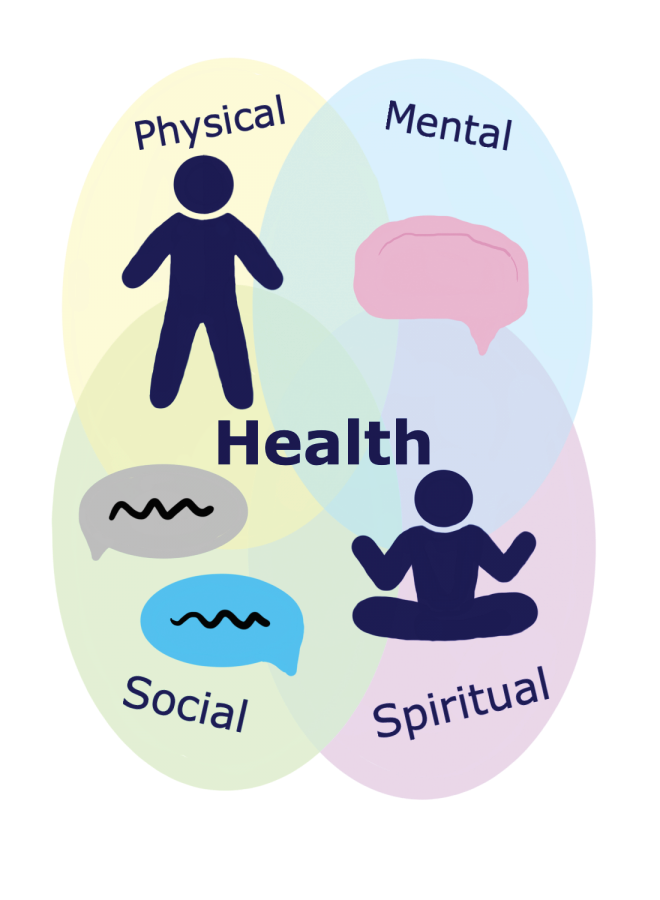
- Focus on whole-person care (mind, body, lifestyle)

What Does a Naturopathic Doctor Do?
Naturopathic doctors typically use non-invasive, natural therapies to promote health and treat disease.
1. Lifestyle and Diet Counseling
One of the core roles of a naturopathic doctor is guiding patients on:
- Nutrition plans (often plant-based or anti-inflammatory diets)
- Exercise routines
- Sleep hygiene
- Stress management techniques
This preventive focus is something modern medicine sometimes underemphasizes in busy clinical settings.

2. Herbal and Natural Therapies
Naturopaths frequently prescribe:
- Herbal medicines
- Supplements (vitamins, minerals)
- Home remedies
These are often tailored individually rather than using standardized pharmaceutical protocols.

3. Holistic Patient Assessment
Instead of focusing only on a specific disease, naturopathic doctors assess:
- Emotional health
- Environmental exposures
- Lifestyle habits
- Gut health and microbiome
This “whole-person” approach appeals to many patients with chronic or unexplained symptoms.
4. Alternative Treatment Modalities
Depending on training and region, naturopathic doctors may use:
- Acupuncture
- Hydrotherapy
- Detoxification programs
- Mind-body practices like meditation or yoga
What Naturopathic Doctors Do NOT Do
This is where clarity becomes crucial—especially for safety.
1. They Do Not Replace Emergency Medicine
Naturopathic doctors are not equipped to handle emergencies, such as:
- Heart attacks
- Severe trauma
- Acute infections like sepsis
In such cases, modern hospital-based care is essential.

2. Limited Role in Surgery and Critical Care
Unlike allopathic doctors, naturopaths:
- Do not perform major surgeries
- Do not manage ICU-level care
- Do not handle ventilator-dependent patients

3. Variable Training and Regulation
This is a key limitation:
- In some countries (like the U.S.), licensed NDs undergo structured training
- In many regions (including parts of South Asia), regulation is weak or inconsistent
This creates variability in quality and safety.
4. Limited Evidence for Some Therapies
While lifestyle advice is evidence-based, certain naturopathic practices:
- Lack strong scientific validation
- May rely on anecdotal or traditional knowledge
This doesn’t mean they are useless—but they should be approached critically.
Naturopathic Doctor vs Allopathic Doctor: Key Differences
Let’s break down the real differences between naturopathic doctors and conventional physicians.
1. Philosophy of Care
- Naturopathic Doctor: Focuses on natural healing and prevention
- Allopathic Doctor: Focuses on diagnosis and evidence-based treatment of disease
Modern medicine is grounded in Evidence-Based Medicine, which integrates research, clinical expertise, and patient values.
2. Treatment Approach
- Naturopathic: Herbs, diet, lifestyle, alternative therapies
- Allopathic: Medications, surgery, advanced diagnostics
For example:
- Hypertension → ND may suggest diet, stress reduction
- MD may prescribe antihypertensives backed by clinical trials
3. Speed vs Sustainability
- Allopathic medicine: Fast symptom control (e.g., antibiotics, analgesics)
- Naturopathy: Slower, long-term lifestyle-based improvement
Both approaches can complement each other when used appropriately.
4. Scope of Practice
- Allopathic doctors (MBBS/MD):
- Diagnose complex diseases
- Perform surgeries
- Manage emergencies and ICU care
- Naturopathic doctors:
- Focus on prevention and chronic lifestyle diseases
- Provide supportive care
5. Scientific Evidence
- Allopathic medicine relies heavily on:
- Randomized controlled trials
- Clinical guidelines (e.g., WHO, AAP)
- Naturopathy:
- Some aspects (nutrition, exercise) are evidence-based
- Others lack rigorous validation
Can Naturopathic and Modern Medicine Work Together?
Yes—when used intelligently.
An integrated approach can be powerful:
- Use modern medicine for diagnosis and acute treatment
- Use naturopathic methods for:
- Lifestyle improvement
- Chronic disease management
- Preventive care
For example:
- Diabetes → Insulin/metformin + diet + exercise + stress management
- IBS → Medical evaluation + dietary adjustments + gut-focused lifestyle changes
When Should You Choose a Naturopathic Doctor?
You might consider a naturopathic doctor if:
- You have chronic lifestyle-related conditions (e.g., obesity, mild hypertension)
- You want preventive health guidance
- You prefer natural and holistic approaches
When You Should NOT Rely Solely on Naturopathy
Avoid relying only on naturopathic care if you have:
- Acute infections
- Severe trauma
- Cancer requiring chemotherapy
- Surgical conditions (appendicitis, obstruction, etc.)
In such cases, delaying modern treatment can be dangerous.
Final Takeaway
A naturopathic doctor plays a valuable role in promoting holistic health, prevention, and lifestyle-based healing. However, they are not a replacement for allopathic doctors, especially in acute, emergency, or complex medical conditions.
The smartest approach is not choosing one over the other—but understanding where each system works best.
Modern medicine saves lives.
Naturopathy helps sustain wellness.
Use both wisely.