Table of Contents
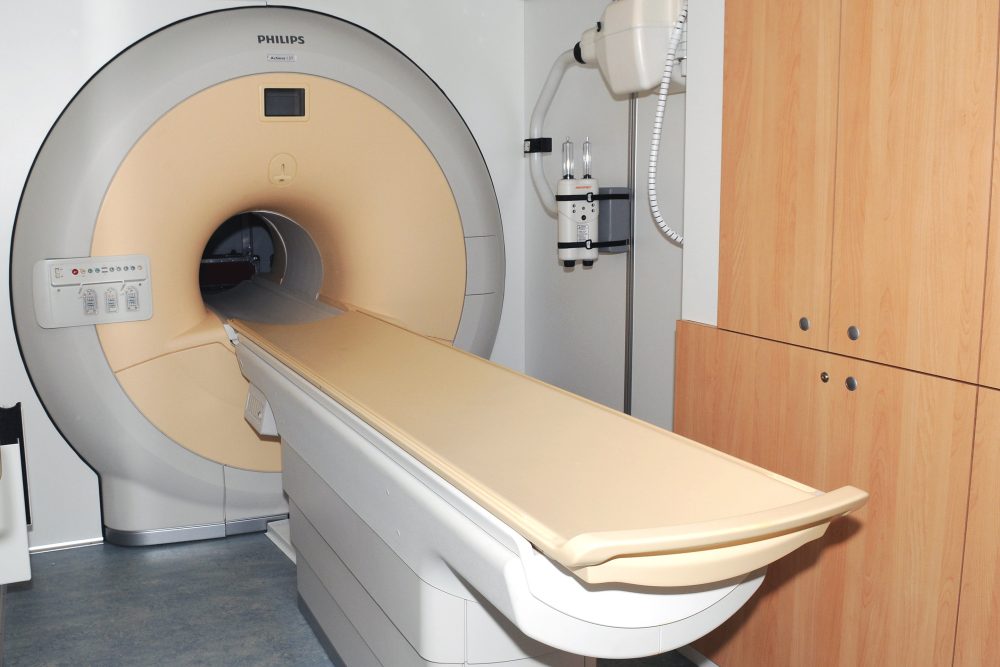
Magnetic Resonance Imaging (MRI) has transformed diagnostic medicine—but it comes with a unique challenge: not all medical devices can safely function inside an MRI room.
From pulse oximeters to ventilators, standard equipment can become dangerous or useless in a strong magnetic field. That’s where MRI-compatible (MRI-friendly) devices come in.
This article breaks down how these devices work, why they are essential, and what makes them different, especially for clinicians working in high-risk environments like neonatal care, ICU, and radiology.
Why Regular Medical Devices Fail in MRI
MRI machines generate:
- Extremely strong magnetic fields (1.5–3 Tesla)
- Radiofrequency (RF) waves
- Rapidly changing gradient fields
👉 This creates 3 major problems:
- Magnetic attraction → metal objects can become dangerous projectiles
- Signal interference → inaccurate readings or complete device failure
- Heating effects → burns from conductive materials
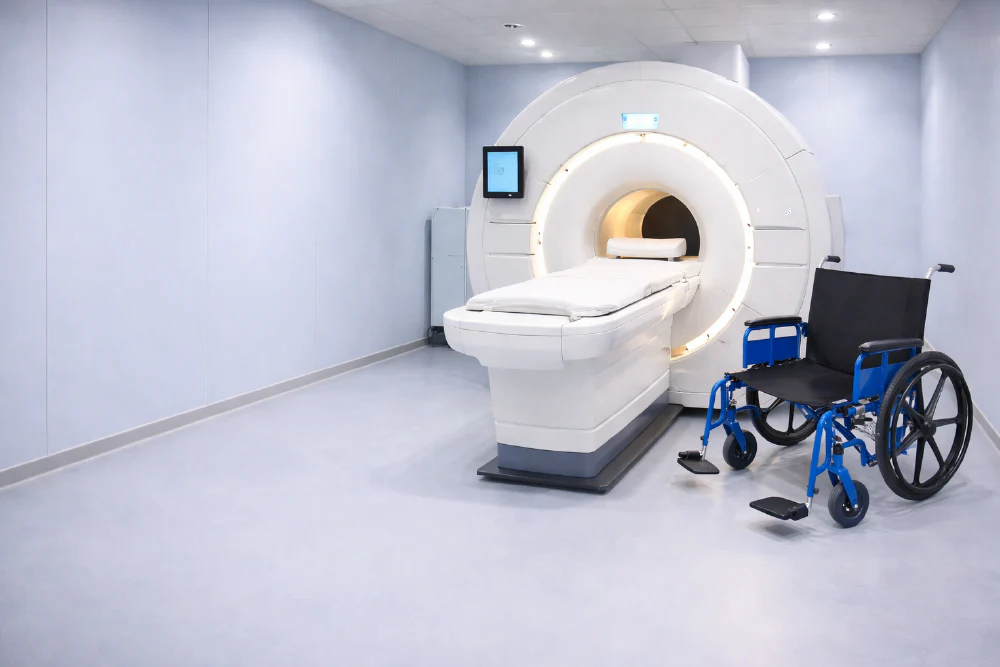
This is why you cannot simply take a regular monitor or ventilator into an MRI suite.
What Are MRI-Friendly Devices?
MRI-friendly devices are specially designed medical equipment that:
- Do not interfere with MRI imaging
- Are not affected by strong magnetic fields
- Ensure patient safety during scanning
They fall into three categories:
- MR Safe → completely non-metallic, no risk
- MR Conditional → safe under specific conditions
- MR Unsafe → strictly prohibited
How MRI-Compatible Devices Actually Work
This is where things get interesting 👇
1. Use of Non-Ferromagnetic Materials
MRI-compatible devices avoid:
- Iron
- Nickel
- Cobalt
Instead, they use:
- Plastics
- Titanium
- Aluminum (non-magnetic grades)
👉 This prevents magnetic attraction and distortion
2. Fiber Optic Technology (Game Changer)
Many MRI-compatible monitors (like pulse oximeters) use:
👉 Fiber optic sensors instead of electrical cables
How it works:
- Light signals (not electricity) are transmitted through fiber
- Oxygen saturation is calculated using light absorption
- No electrical interference → accurate readings inside MRI
💡 This is why devices like MRI pulse oximeters are much more expensive.
3. Shielding Against RF Interference
MRI machines emit radiofrequency energy.
MRI-safe devices include:
- RF shielding layers
- Special circuit designs
👉 This prevents:
- False readings
- Device malfunction
- Image artifacts
4. Remote Placement of Electronics
In many systems:
- The main processing unit stays outside the MRI room
- Only non-magnetic probes/sensors remain inside
Example:
- MRI-compatible ventilators often use long tubing systems
- Monitoring units display data outside the scan room
5. Heat-Resistant Design
MRI can induce heating in conductive materials.
MRI-friendly devices:
- Use low-conductivity materials
- Minimize loop formation in wires
- Prevent burns and tissue injury
Common MRI-Compatible Devices Used in Clinical Practice
🔹 Monitoring Devices
- Pulse oximeters (fiber optic based)
- ECG monitors (special electrodes)
- Non-invasive BP monitors
🔹 Life Support Equipment
- MRI-compatible ventilators
- Infusion pumps
🔹 Specialized Neonatal Equipment
- Neonatal monitoring systems
- MRI-safe incubators
👉 These are critical in:
- Pediatric MRI
- Critically ill patients
- Sedated or ventilated patients
Why MRI-Compatible Devices Matter in Pediatrics
For a pediatric resident or neonatologist, this is crucial:
- Infants often require continuous monitoring
- Sedation or ventilation may be needed
- Even slight hypoxia can be dangerous
MRI-compatible pulse oximeters ensure:
- Real-time oxygen monitoring
- No interruption during imaging
- Improved patient safety
Risks of Using Non-Compatible Devices
Using regular devices in MRI can lead to:
- ❌ Projectile accidents
- ❌ Burns
- ❌ Wrong clinical decisions (false readings)
- ❌ Image distortion → misdiagnosis
This is not theoretical—real incidents have occurred globally.
Why Are MRI-Compatible Devices Expensive?
You might wonder why these devices cost lakhs.
Reasons include:
- Advanced materials and engineering
- Fiber optic technology
- Limited manufacturing scale
- Strict regulatory standards
👉 You’re not just paying for a device—you’re paying for safety in an extreme environment
Future of MRI-Compatible Technology
Innovation is moving toward:
- Wireless MRI-safe monitoring
- AI-integrated imaging + monitoring systems
- More compact and affordable designs
👉 This will make MRI safer and more accessible, especially in developing countries like Nepal.
Key Takeaways
- MRI environments are physically and electrically hostile to normal devices
- MRI-friendly devices use:
- Non-magnetic materials
- Fiber optics
- RF shielding
- They are essential for safe monitoring and life support during imaging
- Especially critical in pediatrics and critical care