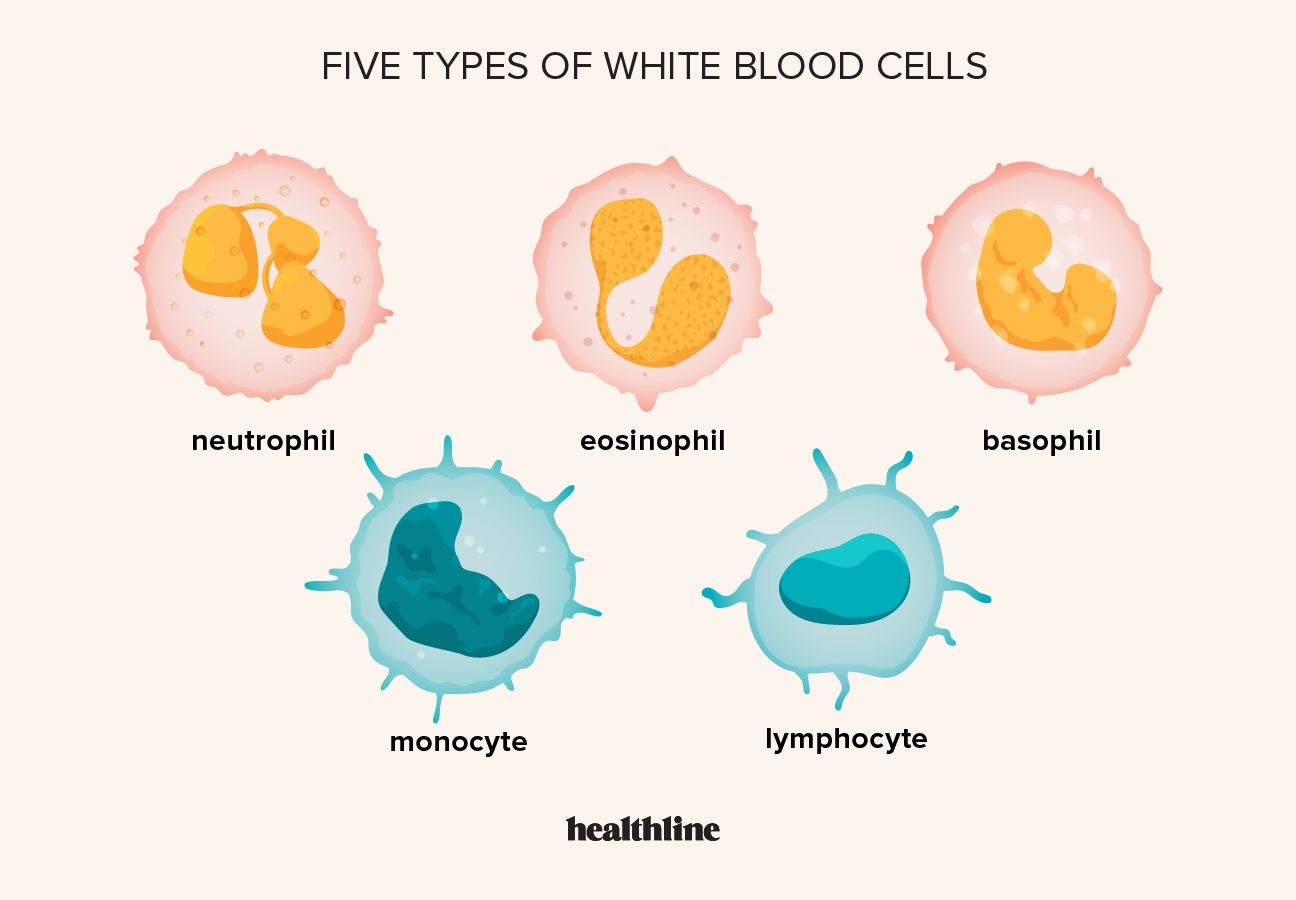
Neutropenia = ANC below the age-appropriate normal lower limit.
In older children/adults, a commonly used cutoff is:
ANC <1,500 cells/µL (1.5 × 10⁹/L)
However, ANC must be interpreted according to age and population, particularly in infants and young children. The infection risk correlates much more strongly with the severity and duration of neutropenia than simply with whether ANC is below 1,500. (MSD Manuals)
For pediatrics, the key is to distinguish neutropenia (a laboratory finding) from febrile neutropenia (a clinical emergency defined by fever + sufficiently low ANC).
These are the conventional severity categories used clinically. (MSD Manuals)
Important threshold
ANC <500/µL = severe neutropenia.
At this level, organisms from the patient’s own oral/GI flora can produce serious infection. At ANC <200/µL, signs of inflammation can be particularly muted. (MSD Manuals)
The distinction matters because chemotherapy-associated febrile neutropenia is a high-risk infectious syndrome, whereas many otherwise healthy children develop transient neutropenia during viral infections.
9. Management of neutropenia
A. First question: Is the child febrile or clinically unwell?
If fever + severe neutropenia
Treat as a potentially serious infection.
Immediate:
ABC/clinical stability
Full examination
CBC + differential
Blood cultures
Urine evaluation/culture when appropriate
Evaluate for focal infection
Start appropriate empiric antibiotics promptly
For high-risk pediatric oncology patients, institutional protocols commonly use an antipseudomonal β-lactam such as cefepime, with escalation/additional coverage based on instability, focal infection, resistant organisms and local epidemiology. (IDMP)
Do not wait for the ANC to recover before treating a clinically significant suspected infection.
10. If the child is afebrile
Management depends on:
ANC
Duration of neutropenia
Age
Previous infections
Underlying disease
Chemotherapy/HSCT status
Medications
Clinical appearance
Mild ANC 1,000–1,500
Usually:
Observe + repeat CBC + investigate cause if persistent.
Moderate ANC 500–1,000
Look for cause and follow trend.
Severe ANC <500
Need much closer assessment, particularly if persistent.
Profound ANC <200
Highest concern for serious infection; clinical signs may be deceptively subtle. (MSD Manuals)
11. Treat the cause
Examples:
Drug-induced → stop suspected offending drug when appropriate.
Viral → usually supportive treatment and serial ANC.
Autoimmune neutropenia → often observation if child is clinically well; treatment depends on severity/infections.
Congenital/severe chronic neutropenia → hematology evaluation; G-CSF may be indicated.
Chemotherapy-induced → oncology-directed management ± G-CSF depending on regimen/risk.
Bone marrow failure/infiltration → urgent hematology evaluation.
G-CSF is particularly useful in selected severe/chronic neutropenia and in prevention/reduction of chemotherapy-related neutropenia. (MSD Manuals)
High-yield exam summary
Neutropenia = low ANC.
ANC:
1000–1500 → mild
500–1000 → moderate
<500 → severe
<200 → profound
Febrile neutropenia:
Fever ≥38.3°C once OR ≥38.0°C for ≥1 h + ANC <500/µL (or expected to fall <500 within 48 h).
And remember:
ANC <500 without fever = severe neutropenia, NOT febrile neutropenia.
Fever with ANC 500–1000 = febrile illness with moderate neutropenia, not the conventional febrile-neutropenia definition.
The classic “febrile neutropenia” pathway is particularly relevant to children receiving chemotherapy/HSCT; don’t automatically equate every viral-associated neutropenia in a healthy child with chemotherapy-associated FN. (IDMP)
Vitamin-responsive seizures are uncommon, but they represent some of the most important treatable causes of neonatal and early-infantile epilepsy. Recognizing them early can prevent status epilepticus, developmental injury, and potentially irreversible neurological damage.
Introduction
Neonatal seizures are usually approached as an emergency, with hypoxic-ischemic injury, hypoglycemia, hypocalcemia, intracranial hemorrhage, stroke, infection, and structural brain abnormalities among the major considerations.
However, a small but particularly important group of seizures results from inborn errors of metabolism involving vitamins or vitamin-dependent enzymes. These seizures may be remarkably resistant to conventional antiseizure medications but respond dramatically to administration of the appropriate vitamin or cofactor.
The major clinically relevant disorders include:
Pyridoxine-dependent epilepsy (PDE)
Pyridoxal-5′-phosphate (PLP)-dependent epilepsy
Folinic acid-responsive seizures
Biotinidase deficiency
Biotin-thiamine-responsive basal ganglia disease
Other metabolic disorders in which vitamin/cofactor therapy can be seizure-modifying
Among these, vitamin B6-dependent epilepsies are particularly important in the neonate.
1. When should you suspect a vitamin-responsive seizure disorder?
The diagnosis should enter the differential particularly when a neonate or infant has:
Red flags
Seizures beginning in the neonatal period without an obvious cause
Frequent or recurrent seizures despite appropriate antiseizure medication
Status epilepticus
Abnormal EEG with burst suppression or marked discontinuity
Seizures accompanied by unexplained encephalopathy
Irritability, abnormal crying, vomiting, or feeding difficulty
Unexplained metabolic acidosis or elevated lactate
Seizures recurring after apparently successful treatment
A previous sibling who died from unexplained neonatal seizures
Consanguinity or a family history suggestive of an autosomal-recessive disorder
Seizures with unusual movements, spasms, myoclonus, or autonomic features
Seizures that respond dramatically to pyridoxine or PLP
The ILAE specifically recommends considering a trial of pyridoxine in neonates with clinical features suggestive of vitamin B6-dependent epilepsy and in neonates whose seizures remain unexplained and refractory to second-line antiseizure medication.
2. Pyridoxine-dependent epilepsy
The classic vitamin-responsive epilepsy
Pyridoxine-dependent epilepsy is one of the most important treatable causes of neonatal-onset epilepsy.
The classical form is caused by pathogenic variants in ALDH7A1, which encodes antiquitin, an enzyme involved in lysine degradation. Deficiency results in accumulation of metabolites including α-aminoadipic semialdehyde (α-AASA)/P6C. P6C can inactivate pyridoxal-5′-phosphate (PLP), ultimately impairing neurotransmitter synthesis and producing seizures.
Clinical presentation
The classical presentation is:
A neonate with otherwise unexplained, frequent, treatment-resistant seizures.
Seizures may be:
Focal
Multifocal
Generalized
Clonic
Tonic
Myoclonic
Epileptic spasms
Some infants may initially appear encephalopathic rather than having obvious convulsive seizures.
The ILAE recognizes frequent drug-resistant seizures, often progressing to status epilepticus, with marked reduction or cessation following pyridoxine supplementation as characteristic of vitamin B6-dependent epilepsy.
An important clue
Some infants may have:
Irritability
Restlessness
Abnormal crying
Vomiting
Feeding difficulties
before or around the time of seizures.
3. Why does pyridoxine stop the seizure?
Vitamin B6 exists in several biologically active forms. Pyridoxal-5′-phosphate (PLP) is the major active cofactor involved in numerous enzymatic reactions.
One of its critical neurological roles is participation in neurotransmitter synthesis.
In pyridoxine-dependent epilepsy, abnormal lysine metabolism leads to accumulation of metabolites that interfere with PLP availability.
Therefore:
ALDH7A1 defect
↓
Abnormal lysine degradation
↓
↑ α-AASA/P6C
↓
PLP inactivation
↓
Impaired neurotransmitter synthesis
↓
Neuronal hyperexcitability
↓
Seizures
Administration of pharmacological doses of pyridoxine restores adequate PLP availability and suppresses seizures.
4. Pyridoxine trial
This is one of the most important practical points in neonatal neurology.
A pyridoxine trial should be performed under continuous cardiorespiratory and preferably EEG monitoring, because intravenous pyridoxine can cause significant apnea, respiratory depression, and prolonged somnolence.
For prolonged/refractory clinical seizures, a commonly used approach is:
Pyridoxine 100 mg IV, with EEG and cardiorespiratory monitoring.
If there is no response, further doses may be administered according to specialist/neonatal protocol, with some references allowing repeated dosing up to a cumulative 500 mg.
The ILAE notes that responses can occasionally be delayed; therefore, lack of an immediate response does not automatically exclude vitamin B6-dependent epilepsy. A trial may need to be continued for several days in selected patients.
Important safety point
Do not give a high-dose IV pyridoxine trial to an unsupervised neonate.
Apnea and cardiorespiratory depression can occur, so airway and ventilatory support must be immediately available.
5. Pyridoxine maintenance therapy
Once pyridoxine-dependent epilepsy is established, treatment is generally lifelong.
Current International PDE Consortium recommendations summarized by GeneReviews include:
Age
Pyridoxine dose
Newborn
100 mg/day
Infant
30 mg/kg/day, maximum 300 mg/day
Child/adolescent/adult
30 mg/kg/day, maximum 500 mg/day
Doses should be individualized by a metabolic/pediatric neurology team.
Long-term excessive pyridoxine can produce sensory neuropathy, so high-dose therapy requires monitoring.
6. Pyridoxal-5′-phosphate-dependent epilepsy
Not every vitamin B6-responsive seizure disorder responds to pyridoxine itself.
This distinction is crucial.
Pyridoxamine-5′-phosphate oxidase (PNPO) deficiency results from pathogenic variants in PNPO.
The enzyme is required for conversion of pyridoxine/pyridoxamine derivatives to the active cofactor PLP.
Therefore:
Pyridoxine → requires metabolic activation → PLP
If this pathway is defective, administering pyridoxine may not adequately correct the biochemical defect.
These patients may instead respond to pyridoxal-5′-phosphate (PLP).
Practical distinction
Disorder
Main defect
Effective vitamin form
Pyridoxine-dependent epilepsy
ALDH7A1/antiquitin pathway
Pyridoxine (B6)
PNPO deficiency
Conversion to active PLP impaired
Pyridoxal-5′-phosphate
PLPBP deficiency
PLP binding/transport-related dysfunction
Often B6/PLP-dependent
The ILAE recognizes ALDH7A1, PNPO and PLPBP-related disorders among the genetic causes of vitamin B6-dependent epilepsy.
Deficiency can produce neonatal or infantile epilepsy with variable response to pyridoxine or PLP.
This disorder highlights an important clinical principle:
A negative response to one form of vitamin B6 does not necessarily exclude a vitamin B6-dependent epilepsy.
Patients may require a carefully monitored trial of the appropriate B6 formulation under metabolic/neurology supervision.
8. Folinic acid-responsive seizures
Another important treatable cause is folinic acid-responsive epilepsy.
These infants can present with:
Neonatal seizures
Drug-resistant epilepsy
Encephalopathy
Abnormal EEG
Sometimes a transient or incomplete response to pyridoxine
An important clinical clue is:
Seizures initially improve with pyridoxine but subsequently recur.
Folinic acid may then produce seizure control.
Interestingly, subsequent biochemical and genetic work demonstrated substantial overlap between classical folinic acid-responsive seizures and ALDH7A1-related pyridoxine-dependent epilepsy.
Thus, the old concept of completely separate “pyridoxine-responsive” and “folinic-acid-responsive” disorders has become more nuanced.
9. When should folinic acid be considered?
Folinic acid should be considered particularly when:
Neonatal seizures are unexplained
Pyridoxine produces only a partial/transient response
Seizures recur despite pyridoxine
There is biochemical/genetic evidence suggesting a folate-related disorder
Some literature describes folinic acid doses in the range of approximately 3–5 mg/kg/day, but dosing should be directed by a pediatric neurologist/metabolic specialist because the optimal regimen depends on the suspected disorder.
10. Biotin-responsive seizures
Biotinidase deficiency is another important treatable metabolic disorder.
Biotinidase is responsible for recycling biotin, an essential cofactor for several carboxylases.
Untreated profound biotinidase deficiency can produce:
Seizures
Hypotonia
Developmental delay
Ataxia
Alopecia
Eczematous rash
Conjunctivitis
Hearing loss
Optic atrophy
Respiratory abnormalities
Seizures may be focal, generalized, or myoclonic, and infantile spasms have also been reported.
The key point
This is a highly treatable disorder.
Early treatment can prevent neurological injury, and seizures can resolve rapidly after biotin supplementation.
11. Biotinidase deficiency: treatment
Current GeneReviews recommendations are:
Profound deficiency: oral biotin 5–10 mg/day
Partial deficiency: approximately 2.5–10 mg/day
Treatment is generally lifelong.
An important practical issue is that biotin can interfere with certain laboratory immunoassays, potentially producing misleading results. Clinicians should inform the laboratory when a patient is receiving pharmacological doses of biotin.
This is a particularly fascinating vitamin-responsive neurological disorder.
It results from pathogenic variants in SLC19A3, which encodes thiamine transporter 2.
It can present in three broad patterns:
Early-infantile disease
Usually before 3 months of age:
Vomiting
Feeding difficulty
Encephalopathy
Hypotonia
Seizures/infantile spasms
Respiratory failure
Severe lactic acidosis
Childhood disease
Usually presents with recurrent episodes of:
Encephalopathy
Seizures
Ataxia
Dystonia
Ophthalmoplegia
Dysphagia
Episodes may be precipitated by febrile illness or metabolic stress.
MRI clue
Symmetrical abnormalities involving the:
Caudate
Putamen
Medial thalami
with possible extension to the brainstem and other structures should raise suspicion.
13. Treatment of biotin-thiamine-responsive basal ganglia disease
Treatment should be started promptly when the disorder is suspected.
GeneReviews recommends:
Biotin: 5–10 mg/kg/day
plus
Thiamine: up to 40 mg/kg/day, maximum 1,500 mg/day
with lifelong therapy. During acute decompensation, thiamine may be increased and administered intravenously.
Early treatment is critical because neurological damage may become irreversible.
14. Other metabolic disorders where vitamins matter
Vitamin-responsive seizures should not be interpreted as only a “B6 problem.”
Other treatable metabolic epilepsies include disorders involving:
Folate metabolism
Thiamine metabolism
Biotin metabolism
Riboflavin-related pathways
Vitamin B12/cobalamin metabolism
Serine synthesis
Creatine metabolism
Glucose transport
Mitochondrial metabolism
Some are better classified as cofactor-responsive metabolic epilepsies rather than classical vitamin-dependent epilepsy.
A broad metabolic approach is therefore essential in unexplained refractory neonatal epilepsy. Reviews of inborn errors of metabolism in pediatric epilepsy emphasize pyridoxine/PLP, folinic acid and biotin among the particularly important treatable pathways.
15. Practical approach to a neonate with refractory seizures
A useful bedside approach is:
Step 1 — Stabilize
ABC + glucose
Check:
Blood glucose
Calcium
Magnesium
Sodium
Potassium
Blood gas
Lactate
Treat immediately reversible abnormalities.
Step 2 — Search for common causes
Consider:
HIE
Intracranial hemorrhage
Stroke
CNS infection
Hypoglycemia
Hypocalcemia
Electrolyte abnormalities
Structural brain disease
Step 3 — EEG
Use continuous EEG where available.
Vitamin-dependent epilepsies can have distinctive EEG abnormalities, including burst suppression or marked discontinuity, although these findings are not diagnostic by themselves.
Step 4 — If seizures remain unexplained/refractory
Consider folinic acid and other metabolic/cofactor-responsive disorders
↓
Confirm with biochemical/genetic testing
This is particularly important because the treatment is relatively simple compared with the potential consequences of missing the diagnosis. The ILAE specifically recommends a pyridoxine trial in selected neonates with unexplained refractory seizures.
18. Take-home points
Vitamin-responsive epilepsies are rare but potentially dramatically treatable causes of neonatal and infantile seizures.
Pyridoxine-dependent epilepsy is the classic disorder to remember.
ALDH7A1/antiquitin deficiency is the major cause of classical pyridoxine-dependent epilepsy.
PNPO deficiency may respond to PLP rather than pyridoxine.
A transient or incomplete pyridoxine response should not end the investigation.
Folinic acid-responsive seizures should be considered in selected refractory cases.
Biotinidase deficiency can cause seizures, hypotonia, rash, alopecia, and developmental problems—and is highly treatable.
SLC19A3-related biotin-thiamine-responsive basal ganglia disease is another important treatable disorder, particularly when encephalopathy, lactic acidosis and basal ganglia MRI abnormalities coexist.
High-dose IV pyridoxine can cause apnea and cardiorespiratory depression; administration requires appropriate monitoring and resuscitation capability.
Do not wait for genetic confirmation before treating a strongly suspected vitamin-dependent epilepsy.
References
Major pediatric/neonatal textbooks
Kliegman RM, St Geme JW, Blum NJ, Shah SS, Tasker RC, Wilson KM, eds.Nelson Textbook of Pediatrics. 22nd ed. Elsevier; 2023. Sections on neonatal seizures, epilepsy, and inborn errors of metabolism.
Eichenwald EC, Hansen AR, Martin CR, Stark AR, eds.Cloherty and Stark’s Manual of Neonatal Care. 9th ed. Wolters Kluwer; 2022. Sections on neonatal seizures and metabolic disorders.
Gleason CA, Juul SE, eds.Avery’s Diseases of the Newborn. 11th ed. Elsevier; 2024. Sections on neonatal neurologic disorders, seizures, and inborn errors of metabolism.
Volpe JJ.Volpe’s Neurology of the Newborn. 7th ed. Elsevier; 2018. Chapters on neonatal seizures and metabolic/epileptic disorders.
Guidelines and primary/review literature
Pressler RM, Cilio MR, Mizrahi EM, et al. Treatment of seizures in the neonate: Guidelines and consensus-based recommendations—Special report from the ILAE Task Force on Neonatal Seizures. Epilepsia. 2023.
Stockler S, Plecko B, Gospe SM Jr, et al. Neonatal vitamin-responsive epileptic encephalopathies. Neuropediatrics. 2011.
Coughlin CR, Tseng LA, et al. International consensus recommendations for the diagnosis and management of pyridoxine-dependent epilepsy. 2021.
GeneReviews. Pyridoxine-Dependent Epilepsy – ALDH7A1. University of Washington, Seattle. Updated 2026.
GeneReviews. Biotinidase Deficiency. University of Washington, Seattle. Updated 2026.
GeneReviews. Biotin-Thiamine-Responsive Basal Ganglia Disease. University of Washington, Seattle. Updated 2025.
Gallagher RC, Van Hove JLK, Scharer G, et al. Folinic acid-responsive seizures are identical to pyridoxine-dependent epilepsy. Ann Neurol. 2009;65(5):550-556.
Inborn Errors of Metabolism in Pediatric Epilepsy. Pediatr Neurol. Review of vitamin/cofactor-responsive epilepsies.
ILAE Task Force. Classification and diagnostic criteria for early-onset vitamin-dependent developmental and epileptic encephalopathies.
Editorial note
For a medical blog, I would not present the dosing section as a general prescription protocol. High-dose pyridoxine and PLP trials—particularly IV administration in neonates—should be performed in a monitored setting with respiratory support available. The exact treatment protocol should follow the neonatal unit’s guideline and pediatric neurology/metabolic specialist recommendations. The ILAE evidence base also acknowledges that much of the evidence for neonatal pyridoxine/PLP therapy is retrospective rather than from randomized trials.