Daily Archives: March 15, 2026

lumbar puncture

Lumbar Puncture (LP) in Pediatrics & Neonates

1. Definition

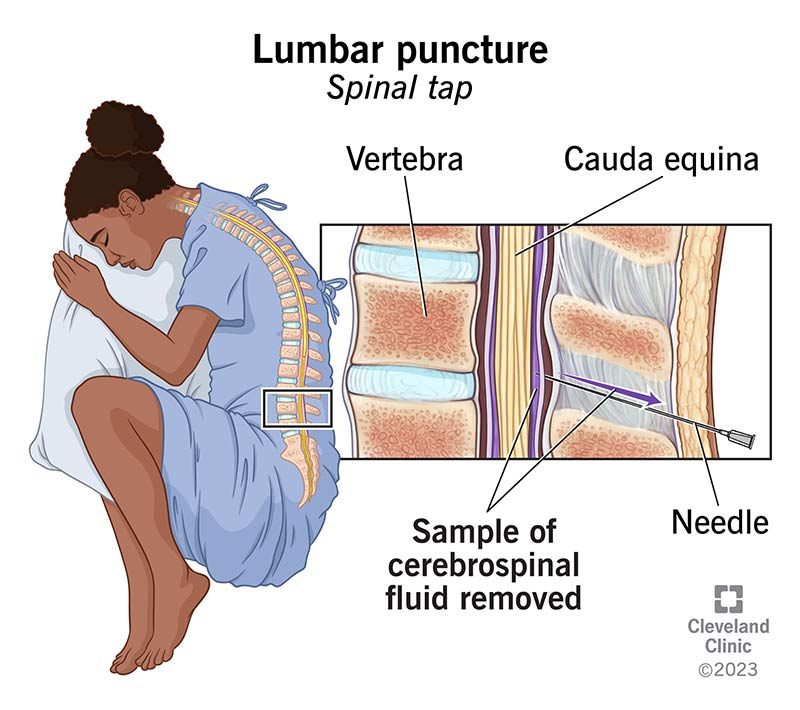
Lumbar puncture (LP) is a procedure in which a needle is inserted into the subarachnoid space of the lumbar spine to obtain cerebrospinal fluid (CSF) for diagnostic or therapeutic purposes.

Commonly done at L3–L4 or L4–L5 intervertebral space.


2. Indications

A. Diagnostic Indications

1. Suspected CNS infection

  • Meningitis
    • Bacterial
    • Viral
    • Tubercular
    • Fungal
  • Encephalitis
  • Brain abscess (supportive)
  • Neurosyphilis

2. Neonatal sepsis evaluation

Important in:

  • Neonates with positive blood culture
  • Sepsis with neurologic signs
  • Late onset sepsis
  • Persistent unexplained illness

3. Neurologic disorders

  • Guillain-Barré syndrome (albuminocytologic dissociation)
  • Multiple sclerosis
  • Demyelinating diseases
  • Leukodystrophy

4. Malignancy

  • Leukemia CNS involvement
  • Lymphoma
  • Medulloblastoma spread

5. Subarachnoid hemorrhage

When CT scan is negative but suspicion persists.


B. Therapeutic Indications

  • Intrathecal chemotherapy
  • Intrathecal antibiotics
  • Spinal anesthesia
  • CSF pressure reduction (rare)

3. Indications Specific to Neonates

Perform LP in neonates with:

  1. Suspected meningitis
  2. Positive blood culture
  3. Seizures
  4. Bulging fontanelle
  5. Apnea / unexplained respiratory deterioration
  6. Neurological abnormalities
  7. Late onset sepsis (>72 hrs)

May delay LP in unstable neonate until stabilization.


4. Contraindications

Absolute Contraindications

  • Signs of raised intracranial pressure with mass lesion
  • Cardiorespiratory instability
  • Local infection at puncture site

Relative Contraindications

  • Severe thrombocytopenia (<50,000)
  • Coagulopathy
  • Spinal deformity
  • Suspected spinal cord mass
  • Severe shock

5. Signs Suggesting Raised ICP (Do NOT perform LP immediately)

  • Focal neurological deficits
  • Papilledema
  • Altered consciousness
  • Unequal pupils
  • Abnormal posturing
  • Hypertension with bradycardia (Cushing triad)

These require neuroimaging first.


6. Anatomy

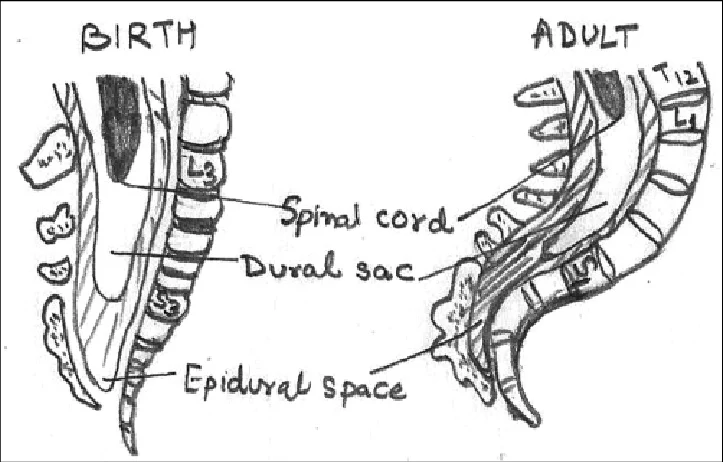
LP is done below the conus medullaris.

AgeConus level
NeonateL3
AdultL1–L2

Safe spaces:

  • L3–L4
  • L4–L5

Landmark:
Tuffier line (line joining iliac crests) → L4 vertebra


7. Equipment

  • Sterile gloves
  • Antiseptic solution
  • Sterile drapes
  • Spinal needle with stylet
  • Manometer
  • 3–4 sterile tubes
  • Local anesthetic (lidocaine)
  • Syringes
  • Adhesive dressing

8. Needle Size

AgeNeedle
Neonate22–25G
Infant22G
Child20–22G

Typical length:

  • Neonate: 1.5 inch
  • Older children: 2.5 inch

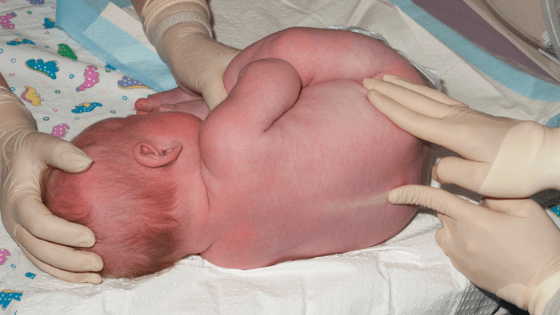
9. Position

1. Lateral decubitus (preferred)

  • Knees flexed to chest
  • Chin flexed
  • Allows opening pressure measurement

2. Sitting position

Used when landmarks difficult.


10. Procedure Steps

  1. Position child
  2. Identify L3–L4 or L4–L5
  3. Clean with antiseptic
  4. Sterile draping
  5. Local anesthesia
  6. Insert needle midline with stylet
  7. Advance slowly
  8. Feel “pop” entering subarachnoid space
  9. Remove stylet → CSF flows
  10. Collect CSF in tubes
  11. Replace stylet and remove needle

11. CSF Collection Tubes

TubeTest
Tube 1Biochemistry (protein, glucose)
Tube 2Microbiology (Gram stain, culture)
Tube 3Cell count
Tube 4Special tests (PCR, viral studies)

12. Opening Pressure

Measured with manometer.

Normal values:

AgePressure
Neonates2–6 cm H₂O
Children10–28 cm H₂O

13. Normal CSF Values

Neonates

ParameterNormal
Cells0–20/mm³
Protein40–120 mg/dL
Glucose2/3 blood glucose

Infants & Children

ParameterNormal
Cells0–5/mm³
Protein15–45 mg/dL
Glucose2/3 serum

14. CSF Interpretation

Bacterial Meningitis

FindingResult
Cells↑ (100–10,000)
Cell typeNeutrophils
Protein↑↑
Glucose
Opening pressure

Viral Meningitis

FindingResult
Cells10–1000
Cell typeLymphocytes
ProteinMild ↑
GlucoseNormal

TB Meningitis

FindingResult
Cells50–500
TypeLymphocytes
Protein↑↑
Glucose

15. Complications

Immediate

  • Traumatic tap
  • Pain
  • Bleeding
  • Infection

Post LP

  • Post-LP headache
  • Back pain

Serious

  • Brain herniation
  • Epidural hematoma
  • Nerve injury

16. Traumatic Tap Differentiation

FeatureTraumatic tapSAH
RBC countDecreases in later tubesSame in all tubes
ClotPresentAbsent
XanthochromiaAbsentPresent

17. Reasons for Failed LP

  • Wrong level
  • Poor positioning
  • Obesity
  • Dehydration
  • Needle obstruction

18. When NOT to Delay Antibiotics

In suspected meningitis:

  • Start antibiotics immediately
  • LP should not delay treatment

19. Special Considerations in Neonates

  • Higher CSF protein normally
  • CSF WBC slightly higher
  • LP often required in late onset sepsis
  • May be delayed if unstable

Exam Pearls (Important for MD / Residency)

  • Best site: L3–L4
  • Neonatal normal CSF protein higher
  • Always replace stylet before removing needle
  • Opening pressure measured only in lateral position
  • Papilledema → neuroimaging before LP

Absence of Anterior Fontanelle in a Newborn (Closed / Non-Palpable Anterior Fontanelle)

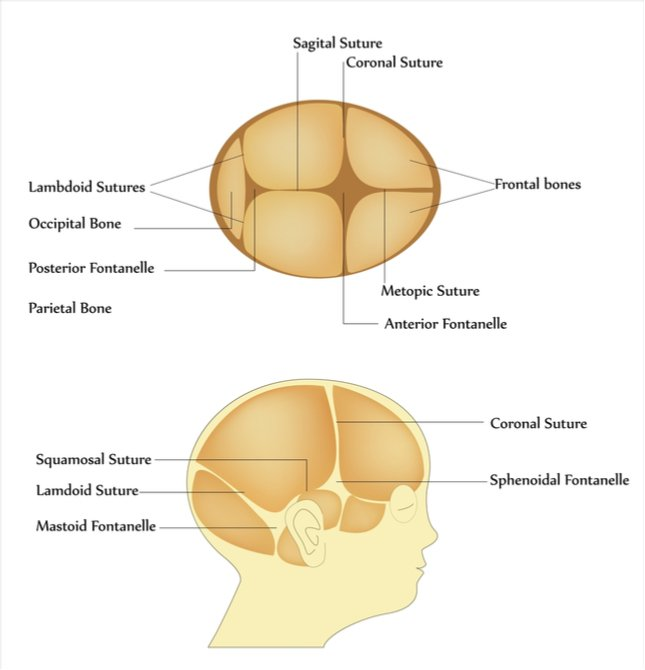
The anterior fontanelle is the largest fontanelle of the newborn skull and normally remains open during early infancy to allow brain growth and skull expansion.

1. Normal Anatomy and Physiology

  • The anterior fontanelle lies at the junction of:
    • Two frontal bones
    • Two parietal bones
  • Shape: Diamond-shaped
  • Average size at birth: 1–4 cm
  • Normal closure: 9–18 months

Functions:

  • Allows rapid brain growth
  • Facilitates molding during vaginal delivery
  • Serves as a clinical window for intracranial pressure assessment

When the Anterior Fontanelle Is Absent at Birth

A non-palpable or absent anterior fontanelle suggests premature fusion of cranial sutures or abnormal skull ossification.

This finding must always be evaluated carefully because it may indicate craniosynostosis or underlying pathology.


Causes of Absent Anterior Fontanelle

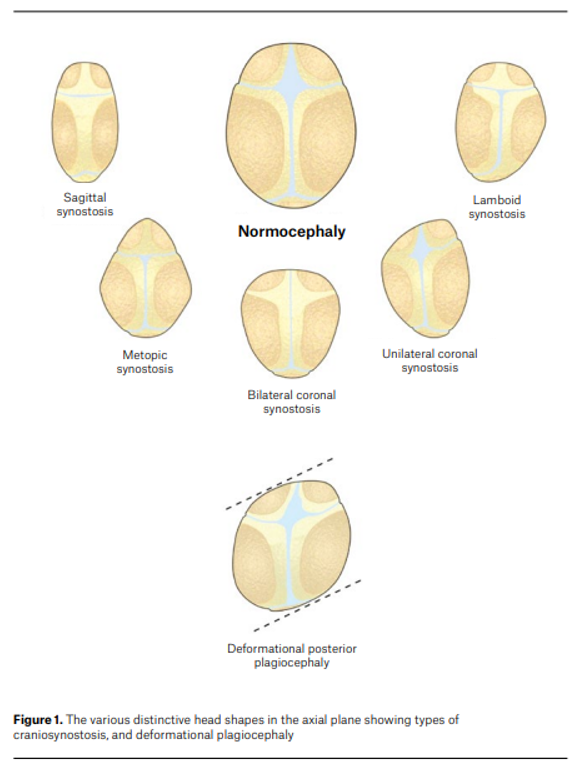
1. Craniosynostosis (Most Important Cause)

Premature fusion of one or more cranial sutures prevents normal skull expansion.

Types include:

Suture involvedResulting head shape
SagittalScaphocephaly (long narrow skull)
CoronalBrachycephaly
MetopicTrigonocephaly
Multiple suturesOxycephaly

Consequences:

  • Restricted skull growth
  • Raised intracranial pressure
  • Neurodevelopmental impairment if untreated

2. Hyperthyroidism (Congenital Thyrotoxicosis)

Seen in infants of mothers with Graves disease

Mechanism:

  • Increased thyroid hormone → accelerated bone maturation
  • Leads to early closure of sutures and fontanelles

Associated features:

  • Irritability
  • Tachycardia
  • Poor weight gain
  • Goiter
  • Exophthalmos (rare in neonates)

3. Microcephaly

Brain growth failure leads to small skull size, so sutures close early.

Common causes:

  • Intrauterine infections (TORCH)
  • Genetic syndromes
  • Severe hypoxic injury
  • Metabolic disorders

4. Skeletal Dysplasias

Some bone disorders cause abnormal skull ossification.

Examples:

  • Osteopetrosis
  • Thanatophoric dysplasia

5. Normal Variant

Rarely the fontanelle is very small or difficult to palpate, but sutures remain open and skull growth is normal.


Clinical Evaluation

1. History

Ask about:

Maternal history

  • Hyperthyroidism
  • Antithyroid drugs
  • TORCH infections

Perinatal history

  • Birth trauma
  • Neonatal illness

Family history

  • Craniosynostosis
  • Genetic syndromes

Developmental history

  • Feeding difficulty
  • Poor growth
  • Developmental delay

2. Physical Examination

Head Examination

Assess:

FeatureSignificance
Head circumferenceDetect microcephaly
Skull shapeSuggest specific craniosynostosis
Palpation of suturesCheck if fused or ridged
Remaining fontanellesPosterior fontanelle status

Look for Associated Signs

Neurologic:

  • Irritability
  • Vomiting
  • Bulging veins

Systemic:

  • Signs of hyperthyroidism
  • Dysmorphic features

Investigations

1. Imaging

Skull X-ray

  • Shows fused sutures

Cranial ultrasound

  • If some fontanelle is open

CT scan with 3D reconstruction

  • Gold standard for diagnosing craniosynostosis

2. Laboratory Tests

If systemic cause suspected:

TestPurpose
Thyroid function testDetect neonatal thyrotoxicosis
TORCH screeningIf infection suspected
Genetic testingSyndromic craniosynostosis

Complications

If due to craniosynostosis:

  • Raised intracranial pressure
  • Visual impairment
  • Developmental delay
  • Cognitive impairment

Management

1. Craniosynostosis

Referral to pediatric neurosurgery

Treatment:

  • Surgical cranial vault remodeling
  • Usually performed within first year of life

2. Neonatal Hyperthyroidism

Treat underlying condition:

  • Antithyroid drugs
  • Beta-blockers

3. Microcephaly

Management depends on cause:

  • Developmental support
  • Treat underlying infection/metabolic disease

Clinical Pearls (High-Yield)

  • Anterior fontanelle absent at birth → think craniosynostosis first.
  • Always measure head circumference.
  • Check skull shape and sutures carefully.
  • 3D CT scan confirms diagnosis.
  • Early surgical correction prevents intracranial hypertension and neurodevelopmental damage.

Creatine Kinase (CK) – High-Yield Medical Notes

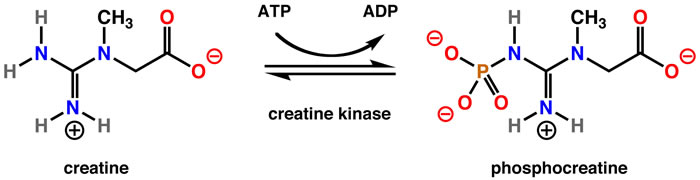
1. Definition

Creatine kinase (CK), also called creatine phosphokinase (CPK), is an intracellular enzyme that catalyzes the reversible conversion:Creatine+ATP↔Phosphocreatine+ADPCreatine + ATP \leftrightarrow Phosphocreatine + ADPCreatine+ATP↔Phosphocreatine+ADP

This reaction is crucial for energy storage and rapid regeneration of ATP, especially in muscle and brain tissues.


2. Location in Body

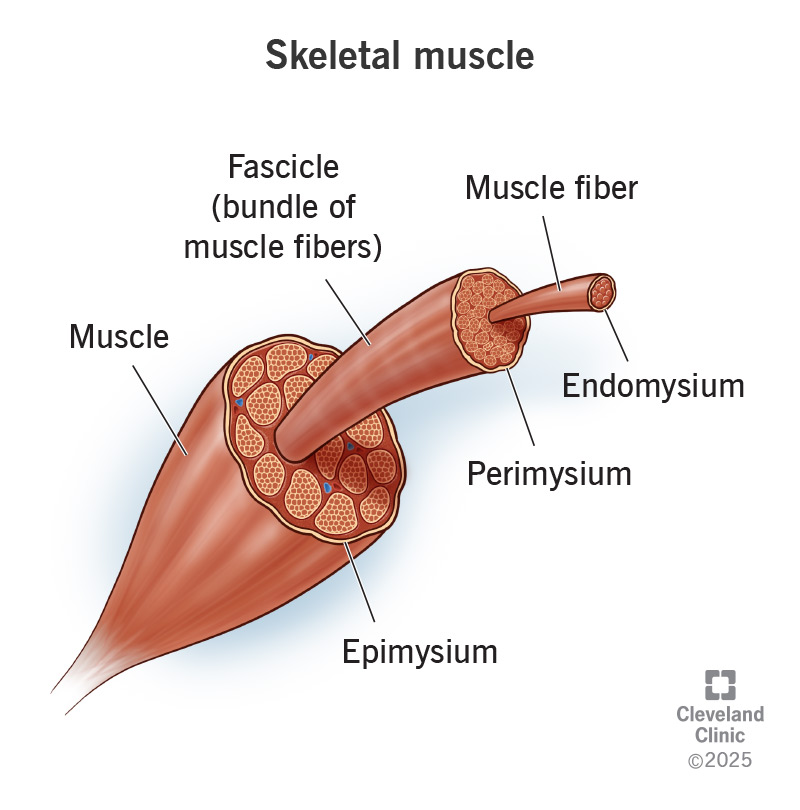
CK is present mainly in tissues with high energy demand:

TissueCK concentration
Skeletal muscleHighest
Cardiac muscleHigh
BrainModerate
Smooth muscleLow

Because CK is intracellular, serum CK rises when cell membrane damage occurs.


3. CK Isoenzymes

CK exists in three isoenzymes, formed by combinations of M (muscle) and B (brain) subunits.

IsoenzymeStructureMajor SourceClinical significance
CK-MMM + MSkeletal muscleMuscle injury, rhabdomyolysis
CK-MBM + BCardiac muscleMyocardial injury
CK-BBB + BBrain, smooth muscleCNS injury

Distribution

  • CK-MM: ~95–100% of total CK in normal serum
  • CK-MB: <5% normally
  • CK-BB: normally absent in serum

4. Normal Values

Normal ranges vary by lab.

Typical reference:

GroupCK (U/L)
Adult male50–200
Adult female40–150
ChildrenHigher than adults
NeonatesCan be very high after birth

5. Causes of Elevated CK

A. Skeletal Muscle Disorders

Most common cause.

Examples:

  • Muscular dystrophy (e.g., Duchenne muscular dystrophy)
  • Inflammatory myopathies
    • Polymyositis
    • Dermatomyositis
  • Trauma
  • Intramuscular injections
  • Vigorous exercise

B. Rhabdomyolysis

Massive CK elevation.

Causes:

  • Crush injury
  • Drugs (statins)
  • Heat stroke
  • Severe infections

CK may rise >5000–10,000 U/L.


C. Cardiac Causes

CK-MB rises in myocardial injury.

Example:

  • Myocardial Infarction

However, CK-MB is now largely replaced by troponins.


D. Neurologic Disorders

CK-BB may increase in:

  • Stroke
  • Brain trauma
  • Seizures

Example:

  • Stroke

E. Other Causes

  • Hypothyroidism
  • Alcohol abuse
  • Surgery
  • Prolonged immobilization
  • Severe infections

6. CK in Myocardial Infarction

Historically important marker.

ParameterCK-MB
Rise3–6 hours
Peak12–24 hours
Normalization48–72 hours

Used previously to detect reinfarction.

Now replaced mainly by troponin I/T.


7. CK in Pediatric Practice

Important uses:

Screening for muscular dystrophy

Very high CK in:

  • Duchenne muscular dystrophy
  • Becker muscular dystrophy

Levels may be 10–100× normal.


Evaluation of Hypotonia

Used when evaluating:

  • floppy infant
  • muscle weakness

Evaluation of Rhabdomyolysis

Symptoms:

  • myalgia
  • weakness
  • dark urine (myoglobinuria)

8. Causes of Decreased CK

Rare clinical significance.

Seen in:

  • Low muscle mass
  • Chronic illness
  • Pregnancy

9. Drugs Causing Elevated CK

Important clinically.

Examples:

DrugMechanism
StatinsMyopathy
AntipsychoticsNeuroleptic malignant syndrome
CorticosteroidsMuscle breakdown

Example condition:
Neuroleptic Malignant Syndrome


10. Investigation Panel When CK is Elevated

TestPurpose
CK-MBCardiac source
TroponinMI confirmation
AST / ALTMuscle vs liver
LDHTissue injury
Serum myoglobinRhabdomyolysis
Urine myoglobinKidney injury

11. CK in Rhabdomyolysis Severity

CK levelInterpretation
<1000Mild
1000–5000Moderate

5000 | Severe muscle injury |
15000 | High risk of renal failure |


12. Clinical Pearls (Exam High-Yield)

  • CK-MM → skeletal muscle injury
  • CK-MB → cardiac muscle
  • CK-BB → brain
  • Duchenne muscular dystrophy → CK extremely high
  • CK rises after muscle trauma/exercise
  • CK-MB replaced by troponin in MI diagnosis

One-line exam memory tip

“CK rises with muscle damage — skeletal (MM), cardiac (MB), brain (BB).”