
A structured, practical guide for clinicians
Table of Contents
Introduction
Vomiting is one of the most common presenting complaints in pediatric practice—ranging from benign, self-limiting illnesses to life-threatening surgical and metabolic emergencies. It is not a diagnosis, but a symptom with a broad differential, involving gastrointestinal (GI), neurological, metabolic, infectious, and psychological causes.
The real challenge is not treating vomiting—but identifying which child is sick and why.
Understanding Vomiting
Vomiting is a protective reflex involving coordinated contraction of abdominal muscles and relaxation of the lower esophageal sphincter, leading to expulsion of gastric contents.
Types of Vomiting
- Acute vomiting → hours to days (e.g., gastroenteritis)
- Chronic vomiting → weeks (e.g., GERD, metabolic causes)
- Cyclic vomiting → episodic with symptom-free intervals
- Projectile vomiting → suggests obstruction (e.g., pyloric stenosis)
- Bilious vomiting (green) → surgical emergency until proven otherwise
Step 1: Initial Stabilization (ABC First)
Before thinking of diagnosis:
- Airway → risk of aspiration
- Breathing → respiratory distress?
- Circulation → shock, dehydration
Assess:
- Vitals
- Capillary refill
- Level of consciousness
- Hydration status
👉 This step is critical because vomiting can rapidly lead to dehydration and electrolyte imbalance.
Step 2: Identify RED FLAG Signs
These determine urgency and need for immediate intervention:
Major Red Flags
- Bilious (green) vomiting
- Bloody vomiting
- Altered sensorium
- Severe dehydration
- Persistent projectile vomiting
- Abdominal distension or peritonitis
- Inconsolable crying (infants)
- Neck stiffness + fever (meningitis)
- Morning vomiting + headache (raised ICP)
These features suggest serious pathology such as:
- Intestinal obstruction
- Intussusception
- Meningitis
- Intracranial hypertension
- Appendicitis
Step 3: Age-Based Differential Diagnosis
Age is one of the most powerful diagnostic clues.
1. Neonates (0–28 days)
Think danger first:
- Intestinal obstruction (atresia, malrotation)
- Hirschsprung disease
- Sepsis
- Inborn errors of metabolism
👉 Bilious vomiting = surgical emergency
2. Infants
- Gastroesophageal reflux (common)
- Pyloric stenosis → projectile vomiting
- Intussusception
- Food allergy
- Infection
3. Children
- Acute gastroenteritis (most common)
- Appendicitis
- UTI
- Pneumonia (post-tussive vomiting)
- Migraine
4. Adolescents
- Pregnancy
- Eating disorders
- Drug/toxin ingestion
- Diabetic ketoacidosis (DKA)
- Intracranial causes
Step 4: Focused History
A good history often gives the diagnosis.
Key Questions
- Onset
- Sudden → infection, obstruction
- Chronic → GERD, metabolic
- Character of Vomit
- Bilious → obstruction
- Projectile → pyloric stenosis
- Blood → gastritis, ulcer
- Relation to Feeding
- Immediately after feeds → reflux
- Delayed → obstruction
- Associated Symptoms
- Fever → infection
- Diarrhea → gastroenteritis
- Headache → intracranial cause
- Abdominal pain → surgical cause
- Systemic Clues
- Poor weight gain → chronic disease
- Polyuria → DKA
- Drug ingestion → toxins
Step 5: Physical Examination
General Examination
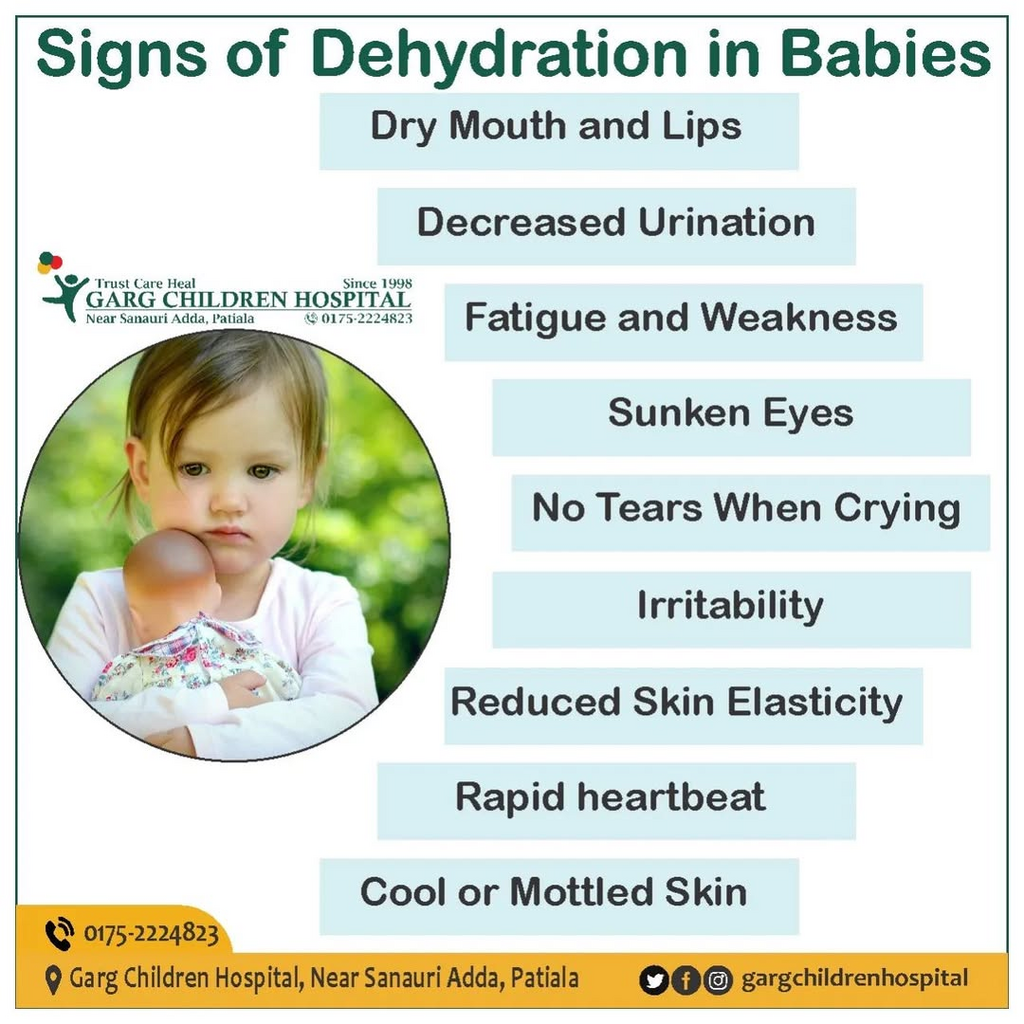
- Hydration status:
- Sunken eyes
- Dry mucosa
- Reduced urine output
- Growth parameters (failure to thrive?)
Systemic Examination
Abdomen
- Distension → obstruction
- Tenderness → appendicitis
- Mass → intussusception
CNS
- Bulging fontanelle (infants)
- Neck stiffness
- Altered consciousness
Skin
- Rash → infection/allergy
- Petechiae → sepsis
Step 6: Investigations
👉 No “routine panel” exists — investigations should be targeted.
Basic Investigations
- Serum electrolytes
- Blood glucose
- Blood gas (if severe)
When Indicated
- Imaging
- X-ray abdomen → obstruction
- Ultrasound → intussusception
- CT/MRI → CNS causes
- Other tests
- Urine analysis → UTI
- LFT/RFT → systemic disease
- Metabolic screening
Step 7: Management Approach
1. Treat the Cause (Definitive)
- Surgery → obstruction
- Antibiotics → infection
- Insulin → DKA
2. Correct Dehydration (MOST IMPORTANT)
Mild–Moderate:
- Oral Rehydration Therapy (ORT)
Severe:
- IV fluids (bolus + maintenance)
3. Symptomatic Treatment
- Ondansetron for persistent vomiting
- NG decompression in obstruction
- Electrolyte correction
4. Nutritional Support
- Early feeding when tolerated
- Continue breastfeeding
Step 8: Clinical Patterns to Recognize (Exam Gold)
| Pattern | Likely Diagnosis |
|---|---|
| Projectile, non-bilious | Pyloric stenosis |
| Bilious vomiting | Intestinal obstruction |
| Vomiting + diarrhea | Gastroenteritis |
| Vomiting + headache (morning) | Raised ICP |
| Vomiting + abdominal pain → later | Appendicitis |
| Episodic vomiting, symptom-free intervals | Cyclic vomiting |
Common Pitfalls
- Ignoring bilious vomiting
- Missing appendicitis early
- Assuming all vomiting = gastroenteritis
- Not checking hydration status
- Over-ordering unnecessary tests
Clinical Algorithm (Simple Mental Model)
- Is the child sick? (ABC + red flags)
- What is the age?
- What is the type of vomiting?
- What are associated symptoms?
- Targeted investigations
- Treat dehydration + cause
Key Takeaways
- Most pediatric vomiting is benign and self-limiting
- But always rule out life-threatening causes first
- Age + vomiting type + red flags = diagnosis
- Hydration management saves lives
Conclusion
Vomiting in children is a diagnostic puzzle—but a structured approach simplifies it. The goal is not to memorize hundreds of causes, but to quickly identify danger, localize the system involved, and act appropriately.