Table of Contents
1. Definition
GIR (Glucose Infusion Rate) = amount of glucose delivered per kg body weight per minute.
👉 Unit: mg/kg/min
2. Formula
GIR=144Dextrose (%) ×Infusion rate (mL/kg/day)
👉 Alternate (commonly used in ICU):GIR=1Dextrose (g/mL)×mL/kg/min×1000
3. Normal Glucose Requirement (Term Neonate)
| Age | GIR (mg/kg/min) |
|---|---|
| First 24 hrs | 4–6 |
| After 24 hrs | 5–8 |
4. Treatment of Hypoglycemia
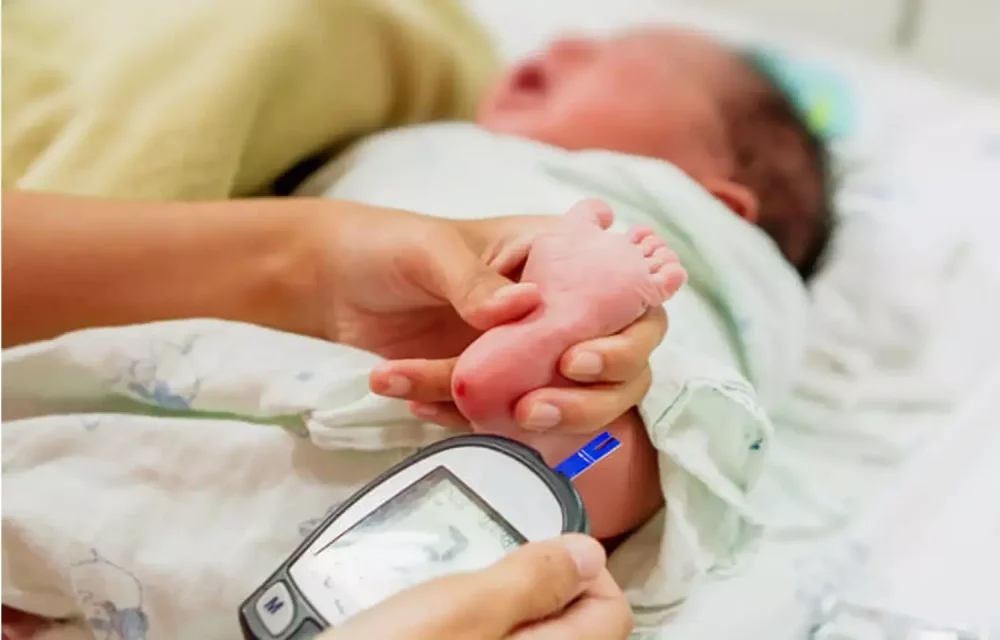
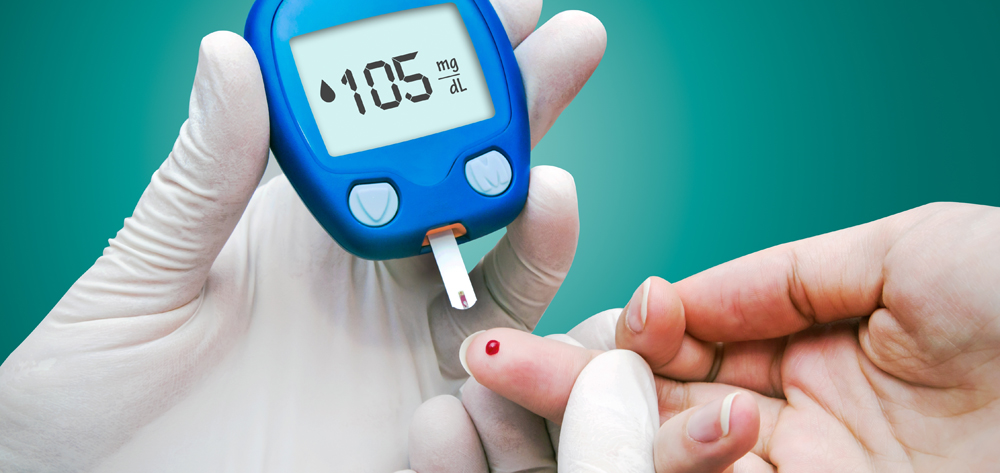
Symptomatic OR RBS <40 mg/dL
Step 1: Bolus
- 10% Dextrose
- Dose: 2 mL/kg IV bolus
Step 2: Continuous Infusion
| Severity | Starting GIR |
|---|---|
| Mild | 4–6 mg/kg/min |
| Moderate | 6–8 mg/kg/min |
| Severe/refractory | 8–12 mg/kg/min |
5. Escalation Strategy
- Increase GIR by 2 mg/kg/min every 30–60 min
- Max GIR: 12–15 mg/kg/min (sometimes up to 20 in refractory cases)
👉 If still hypoglycemic:
- Consider:
- Sepsis
- Hyperinsulinism
- Endocrine causes
6. Practical Conversion Table
| GIR (mg/kg/min) | D10 Rate (mL/kg/day) |
|---|---|
| 4 | 60 |
| 5 | 75 |
| 6 | 90 |
| 8 | 120 |
| 10 | 150 |
👉 Quick memory:
D10 @ 80–100 mL/kg/day ≈ GIR 5–7
7. When High GIR Needed (>8–10)
Think:
- Hyperinsulinism
- Sepsis
- Inborn errors of metabolism
- Hypopituitarism
- Adrenal insufficiency
8. Choice of Dextrose Concentration
| Fluid | Use |
|---|---|
| D10 | First-line |
| D12.5 | Peripheral max |
| D15–D25 | Central line only |
9. Monitoring
- RBS every 30–60 min initially
- Then every 4–6 hrs
- Watch for:
- Rebound hypoglycemia
- Fluid overload
10. Weaning
- Reduce GIR gradually once stable (>50–60 mg/dL)
- Start/advance enteral feeds
Exam Pearls
- First step = D10 bolus (2 mL/kg)
- Target glucose >45 mg/dL
- GIR >8 = suspect pathology
- Max peripheral dextrose = 12.5%
- Persistent hypoglycemia → think hyperinsulinism